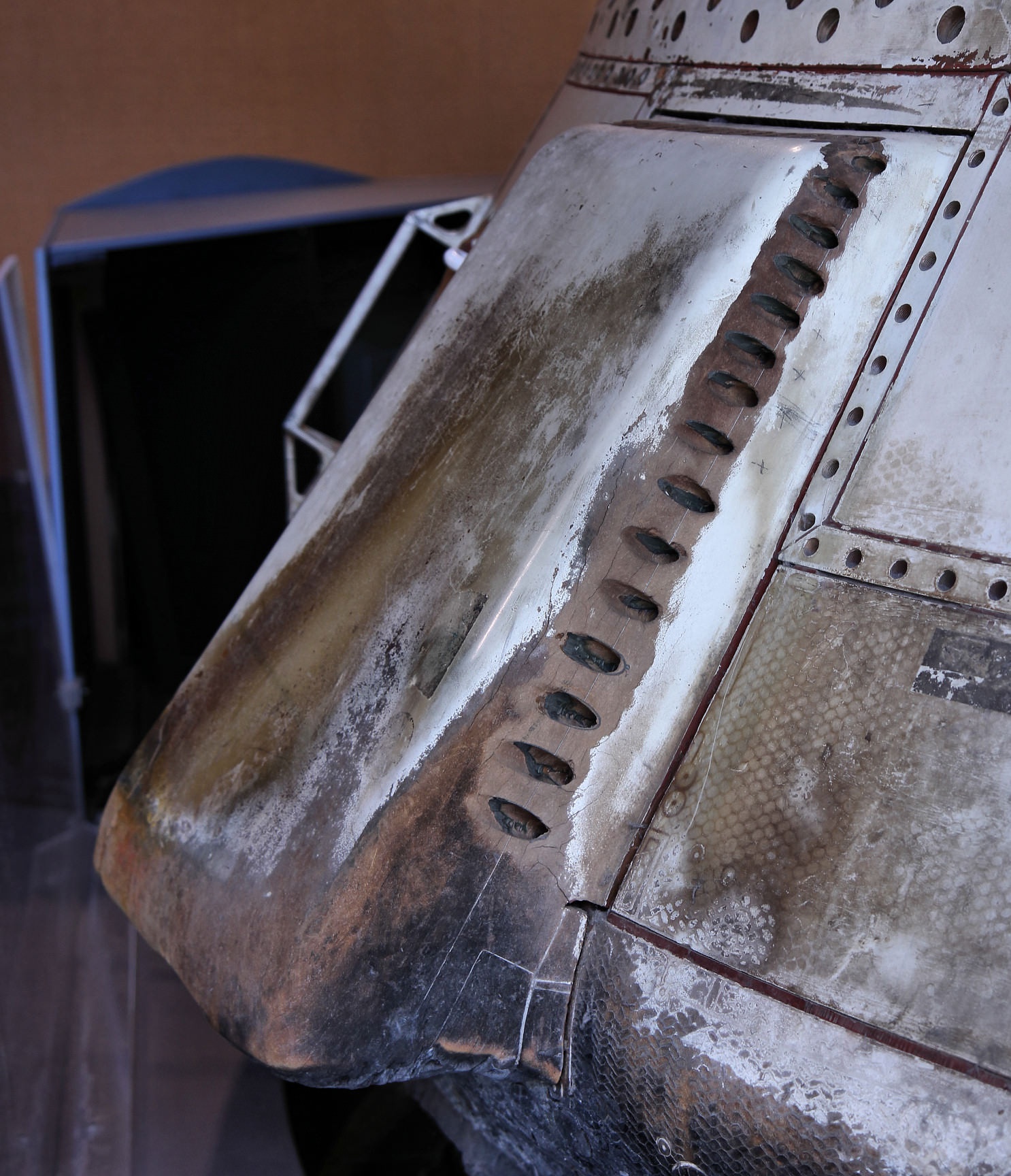
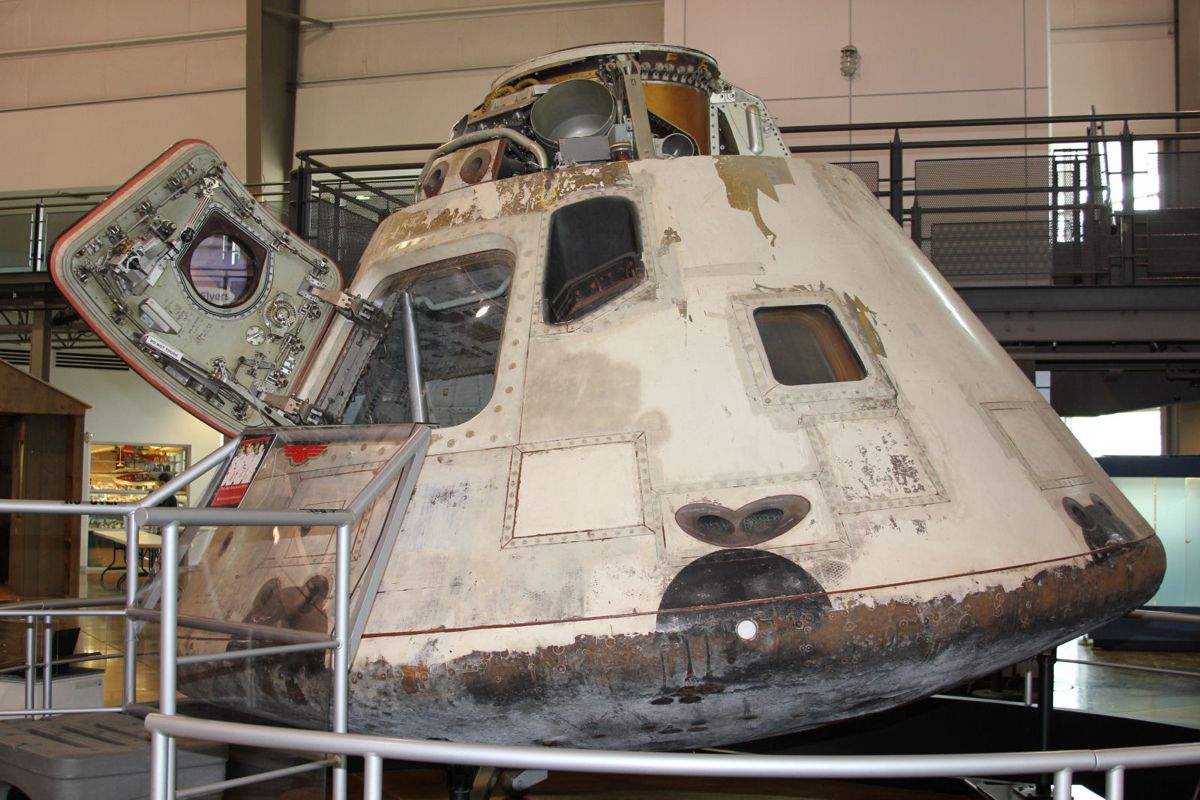
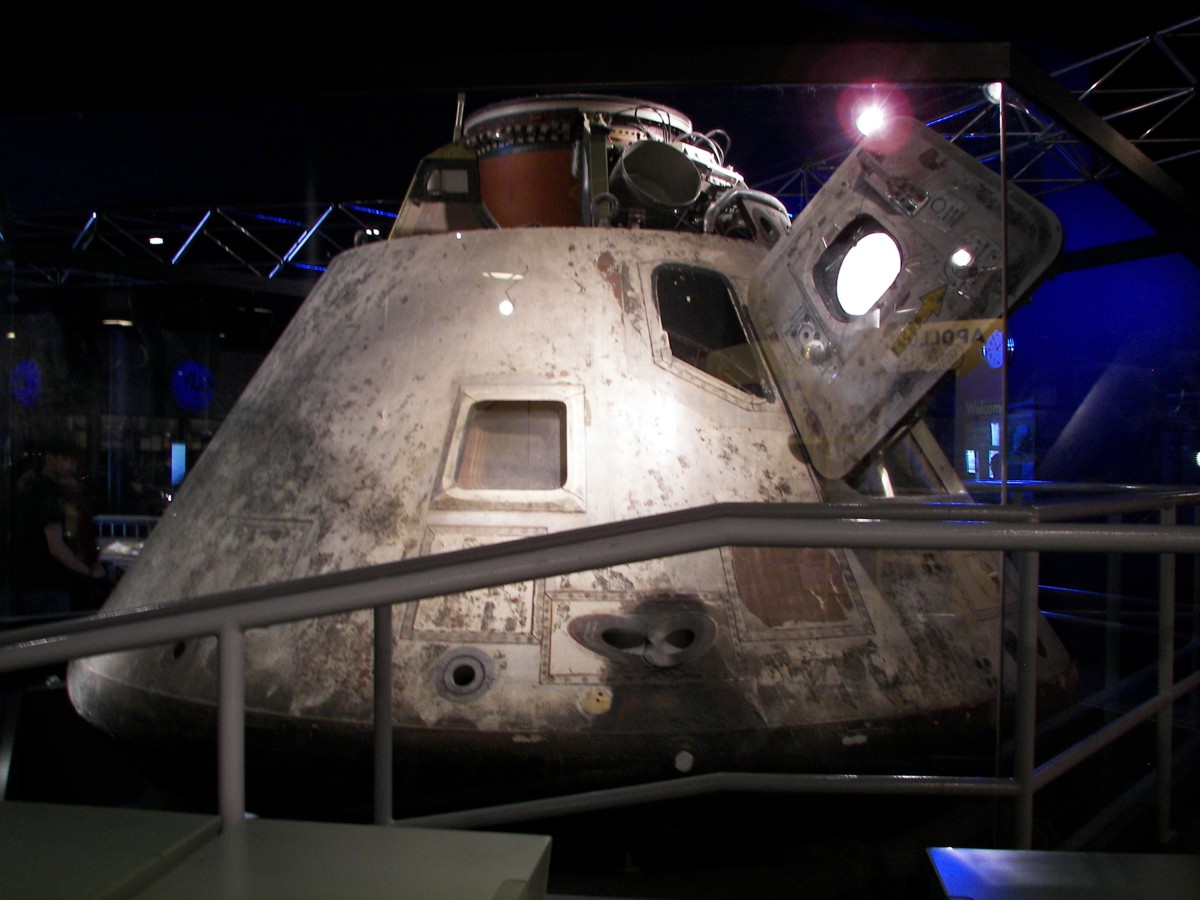
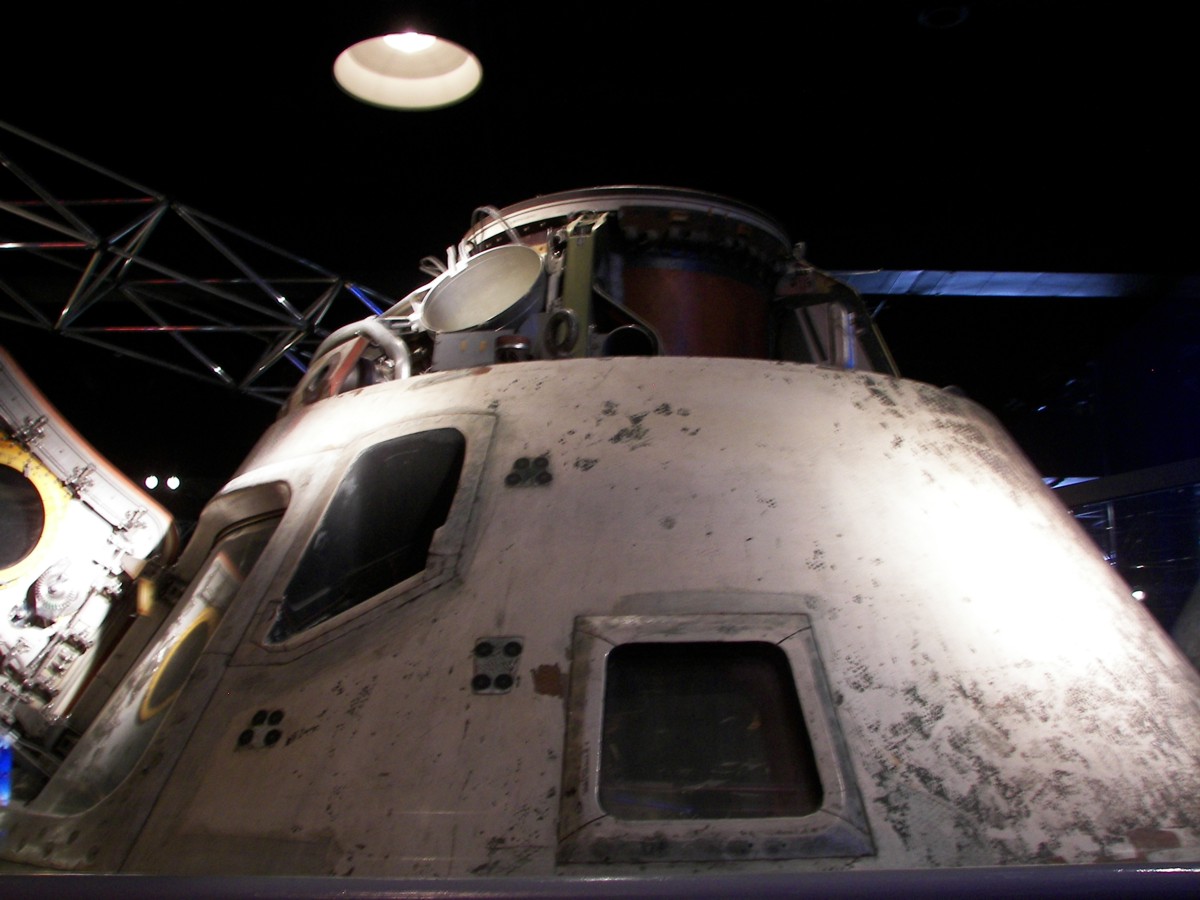
Apollo Space Capsules
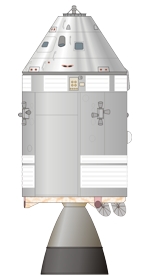
Apollo Command and Service Module


Apollo Spacecraft
Apollo Command and Service modules were flown by the United States between 1966 and 1975. The spacecraft were grouped into two major configurations. Early missions were conducted using Block 1 spacecraft, while later flights, including all lunar missions, were flown using Block 2 spacecraft.
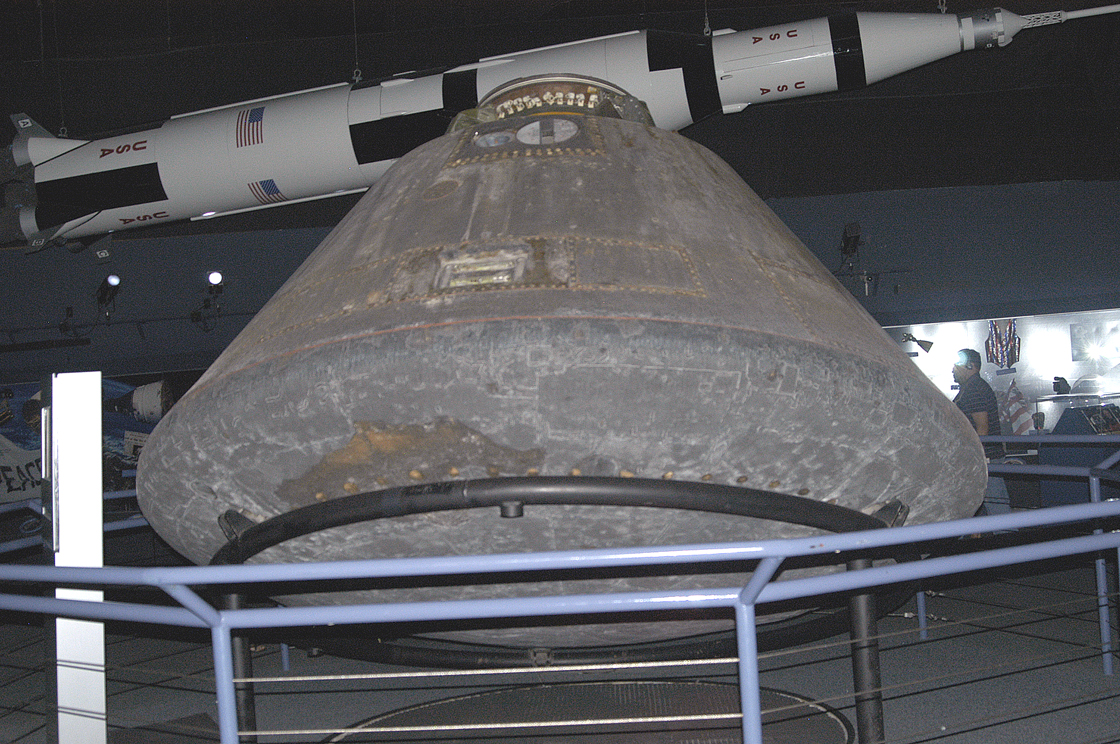
Apollo capsules flew on both Saturn IB and Saturn 5 Rockets (right).
Block 1 Spacecraft
Block 1 spacecraft did not have docking capabilities and were flown in Earth orbit only. A number of test flights, flown using Saturn IB and Saturn 5 boosters, were conducted.
The CM-012 capsule, better known as Apollo 1, was destroyed in a fire while conducting tests on the launch pad. The tragedy resulted in the loss of astronauts Grissom, White, and Chaffee.
Block 2 Spacecraft
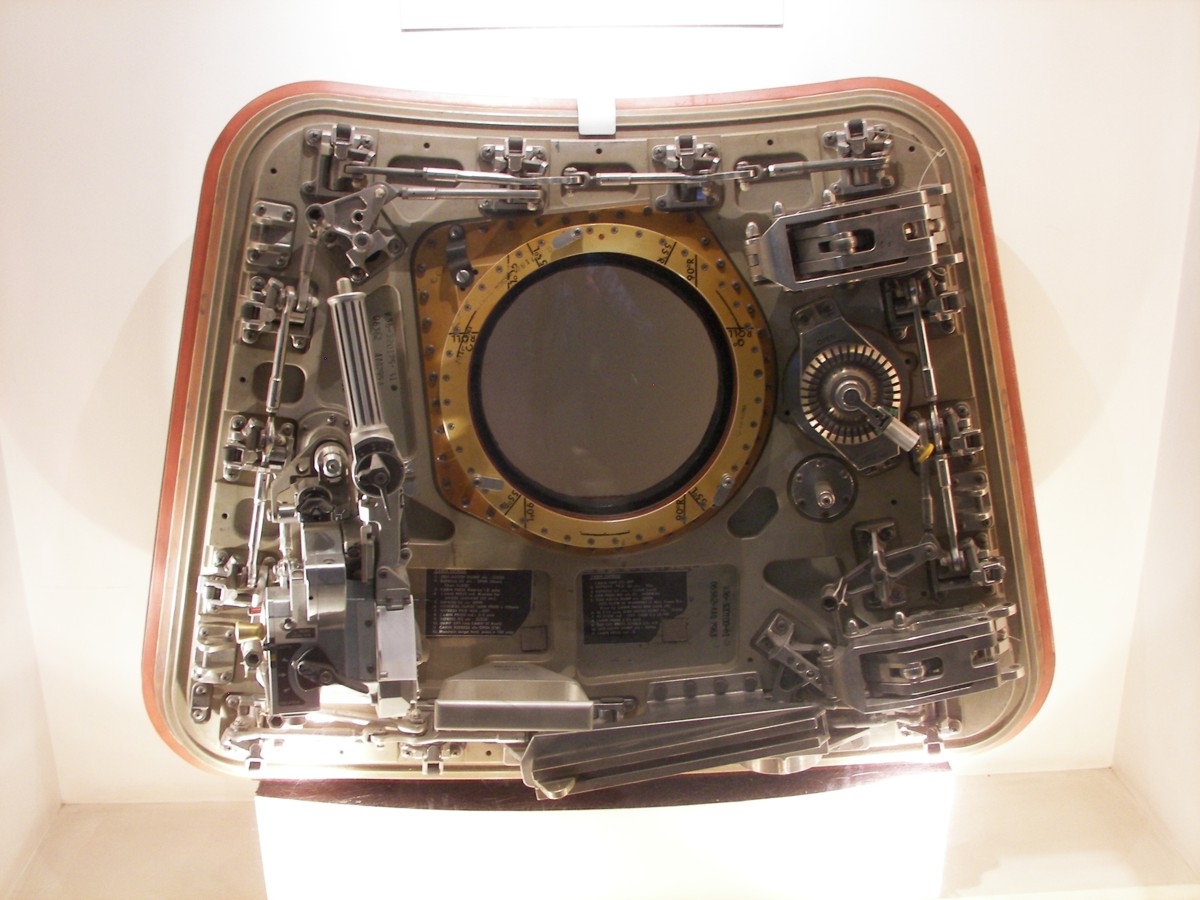
Block 2 command modules included many improvements over the earlier models. Significant changes included an outward opening hatch that could be quickly opened, and docking equipment allowing operations with the Apollo Lunar Module.
Eleven block 2 command modules were flown in support of project Apollo. Nine missions flew to the Moon, and six successful landings were accomplished using the lunar module.
Three command modules were flown to the Skylab space station. Each carried three astronauts to and from the station.
The final Apollo command module to fly was CM-111. Flown as the American half of the Apollo-Soyuz test project, the spacecraft successfully docked with the Russian Soyuz 19 spacecraft in July of 1975.
Apollo Command Module Missions
| Mission | Launch
Date | Rocket | Command
Module | Lunar
Module | Mission |
| AS-201 | 1966 | AS-201 | CM-009 | --- | Suborbital flight. |
| AS-202 | 1966 | AS-202 | CM-011A | --- | Suborbital flight. |
| Apollo 1 | 1967 | AS-204 | CM-012 | --- | Destroyed by fire while on pad. |
| Apollo 4 | 1967 | AS-501 | CM-017 | --- | Earth orbit. |
| Apollo 6 | 1968 | AS-502 | CM-020 | --- | Earth orbit. |
| Apollo 7 | 1968 | AS-205 | CM-101 | --- | Earth orbit. |
| Apollo 8 | 1968 | AS-503 | CM-103 | --- | Lunar orbit. |
| Apollo 9 | 1969 | AS-504 | CM-104 Gumdrop | LM-3 Spider | First manned test of Lunar Module. |
| Apollo 10 | 1969 | AS-505 | CM-106 Charlie Brown | LM-4 Snoopy | Tested LM in Lunar orbit. |
| Apollo 11 | 1969 | AS-506 | CM-107 Columbia | LM-5 Eagle | Lunar landing. |
| Apollo 12 | 1969 | AS-507 | CM-108 Yankee Clipper | LM-6 Intrepid | Lunar landing. |
| Apollo 13 | 1970 | AS-508 | CM-109 Odyssey | LM-7 Aquarius | Aborted Lunar landing attempt. |
| Apollo 14 | 1971 | AS-509 | CM-110 Kitty Hawk | LM-8 Antares | Lunar landing. |
| Apollo 15 | 1971 | AS-510 | CM-112 Endeavour | LM-10 Falcon | Lunar landing. |
| Apollo 16 | 1972 | AS-511 | CM-113 Casper | LM-11 Orion | Lunar landing. |
| Apollo 17 | 1972 | AS-512 | CM-114 America | LM-12 Challenger | Lunar landing. |
| Skylab 2 | 1973 | AS-206 | CM-116 | --- | Docked With Skylab. |
| Skylab 3 | 1973 | AS-207 | CM-117 | --- | Docked With Skylab. |
| Skylab 4 | 1973 | AS-208 | CM-118 | --- | Docked With Skylab. |
| Apollo-Soyuz | 1975 | AS-210 | CM-111 | --- | Docked With Soyuz 19. |
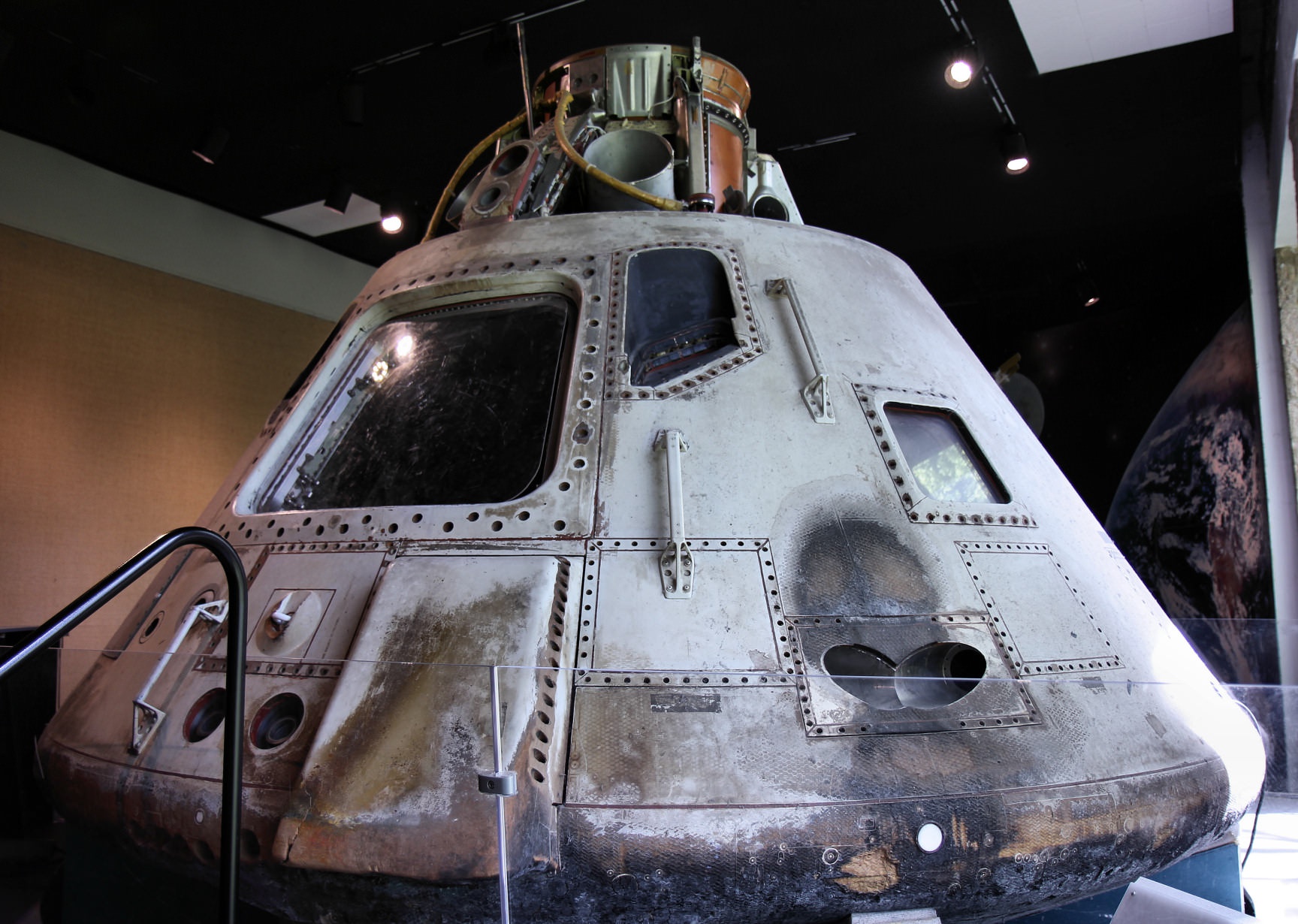
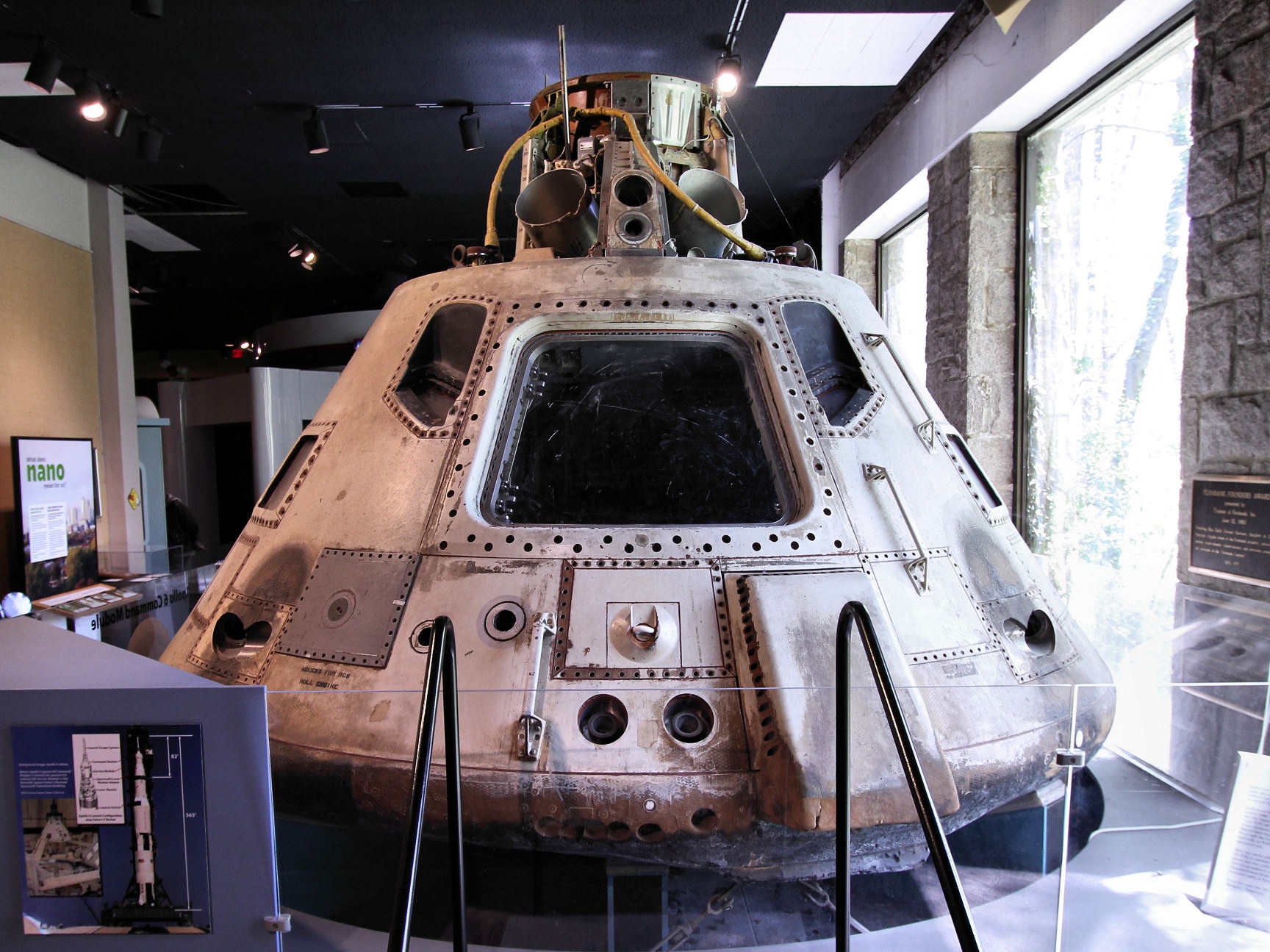
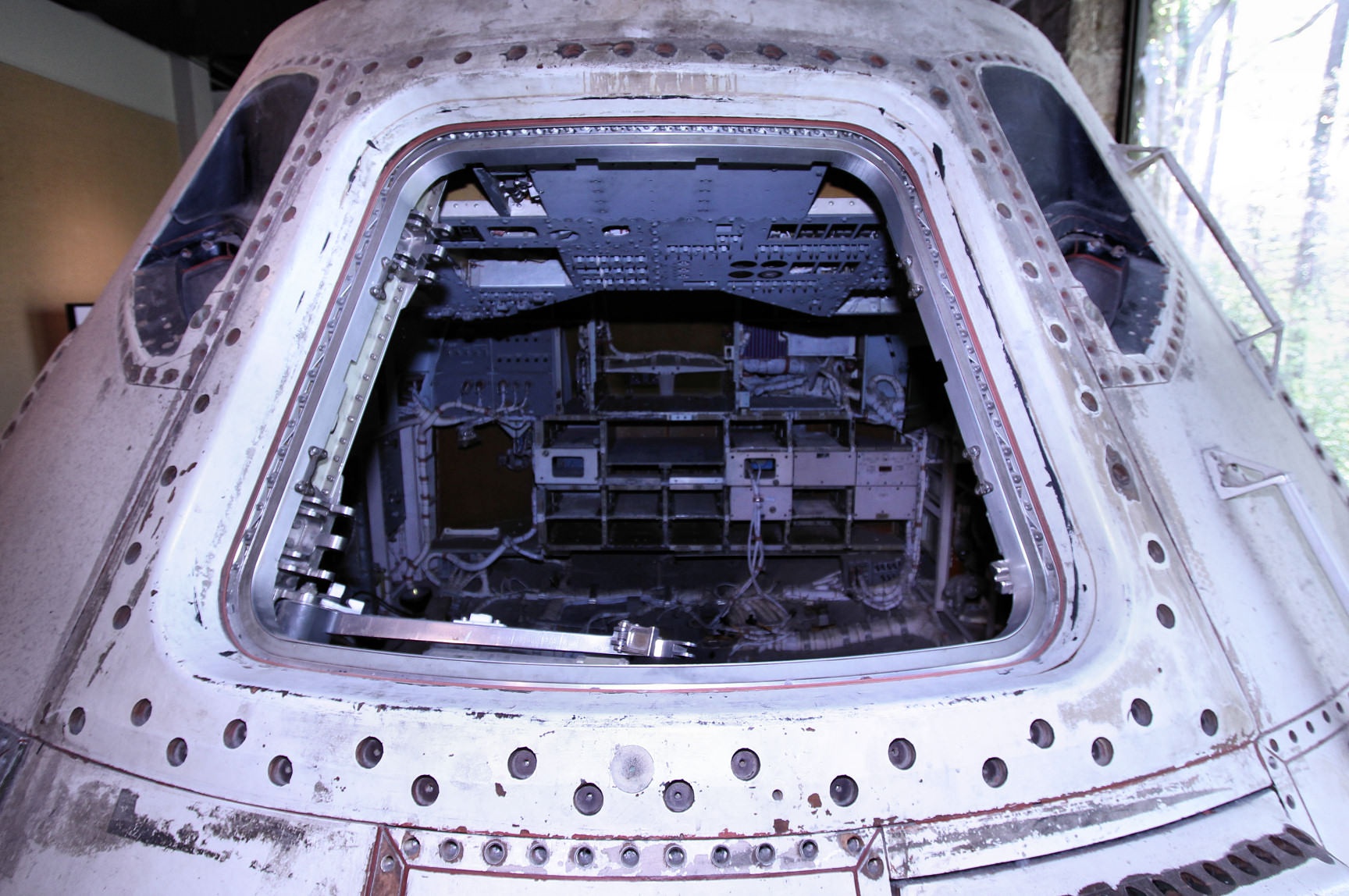
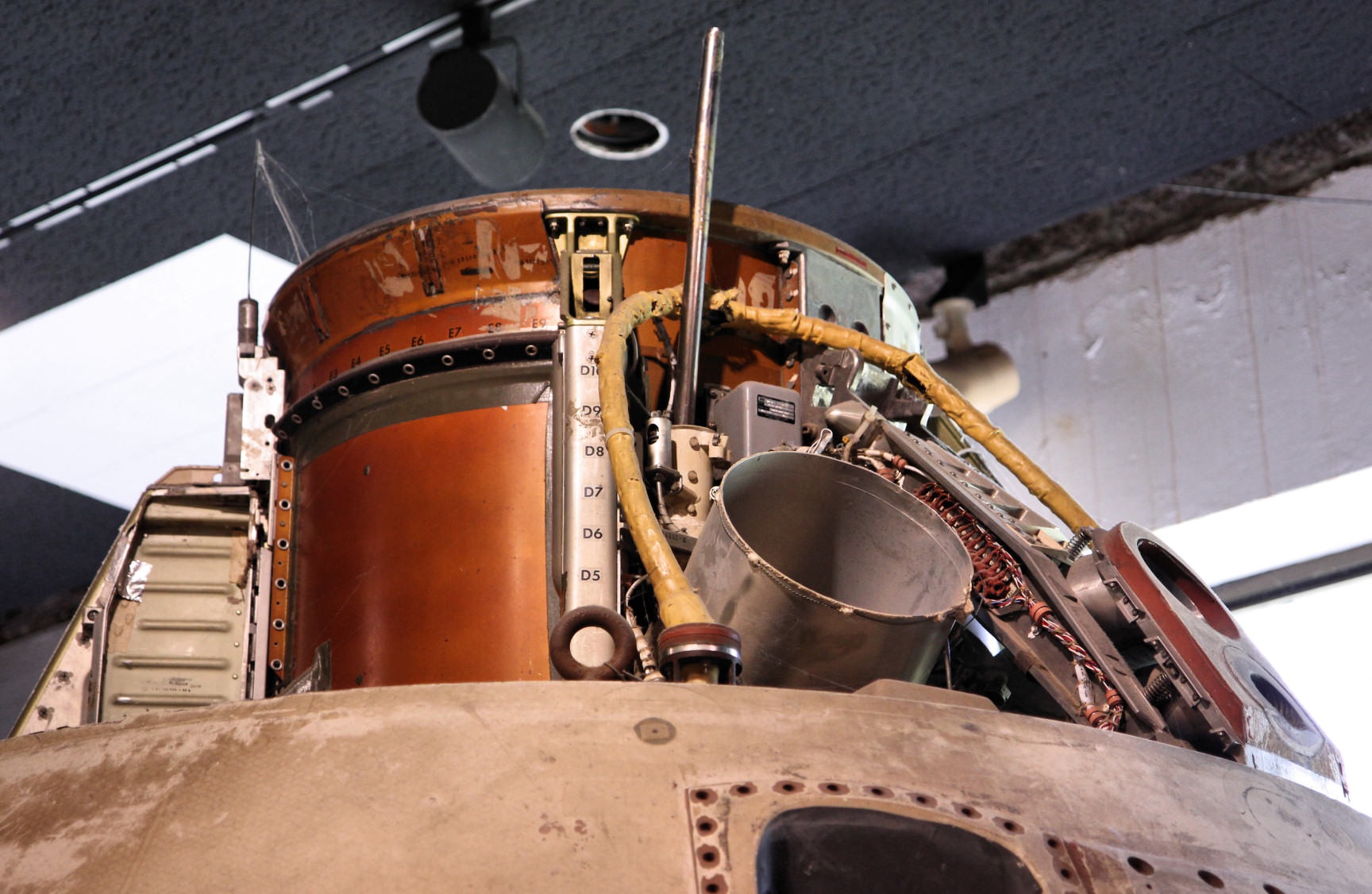
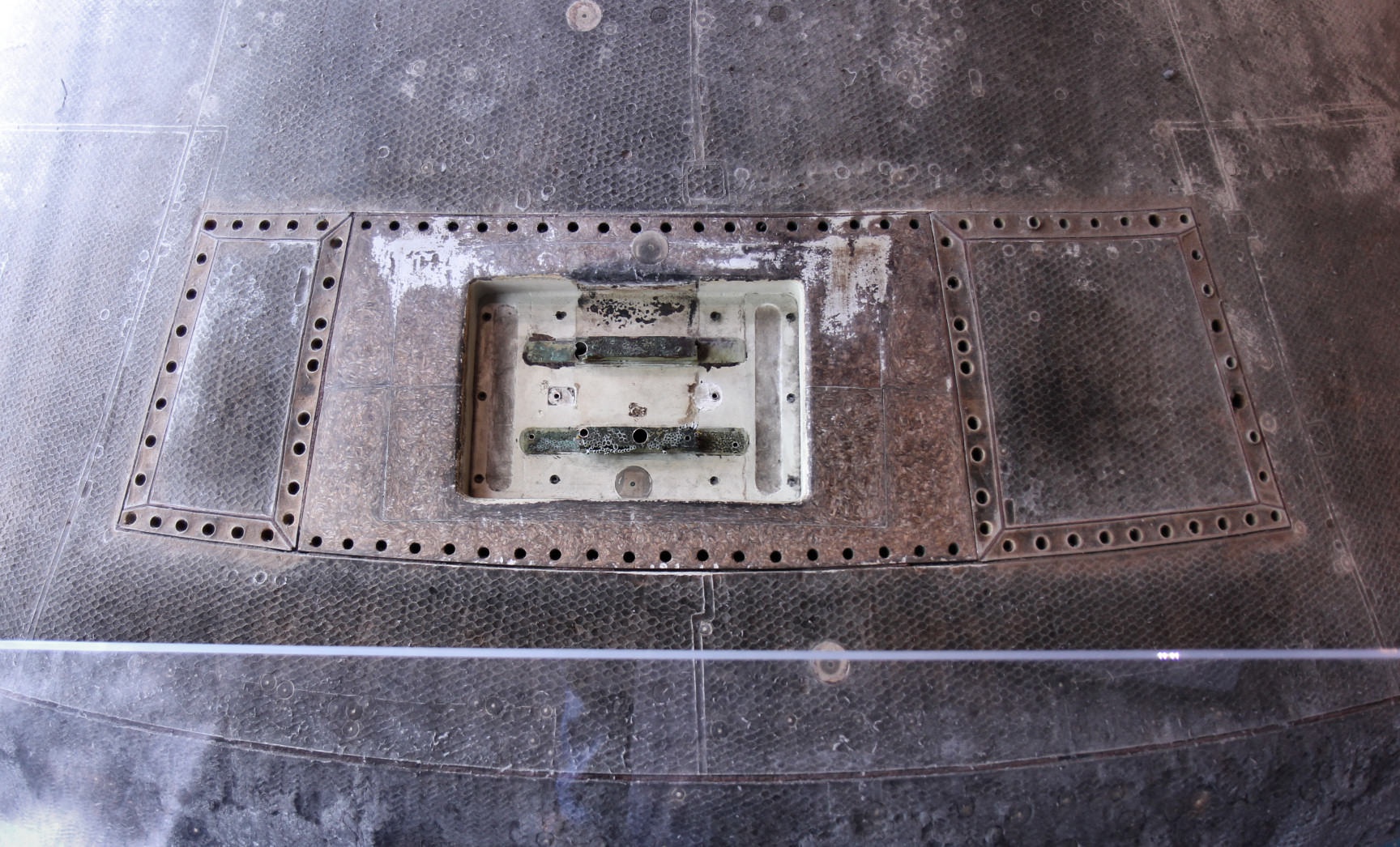
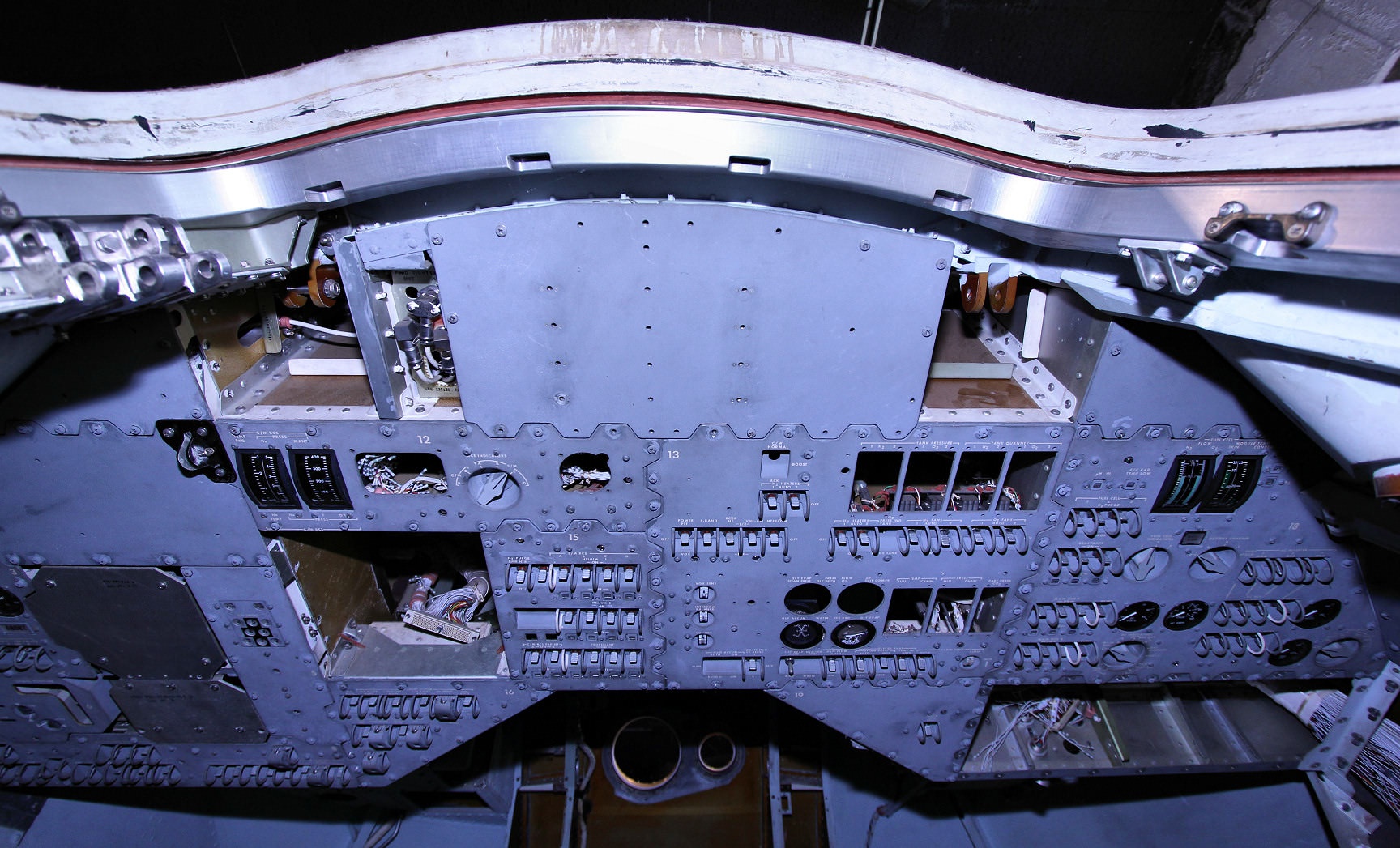
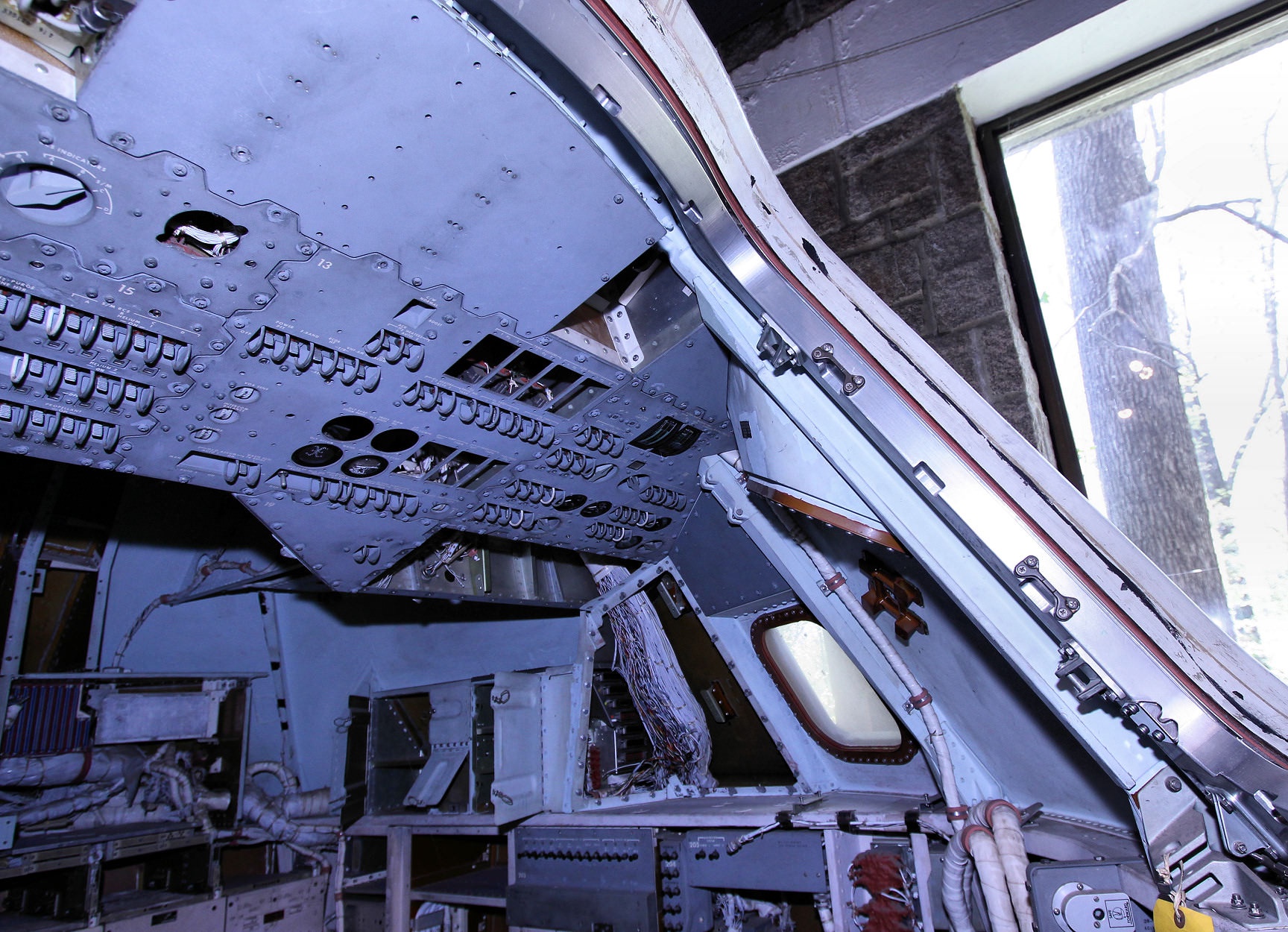
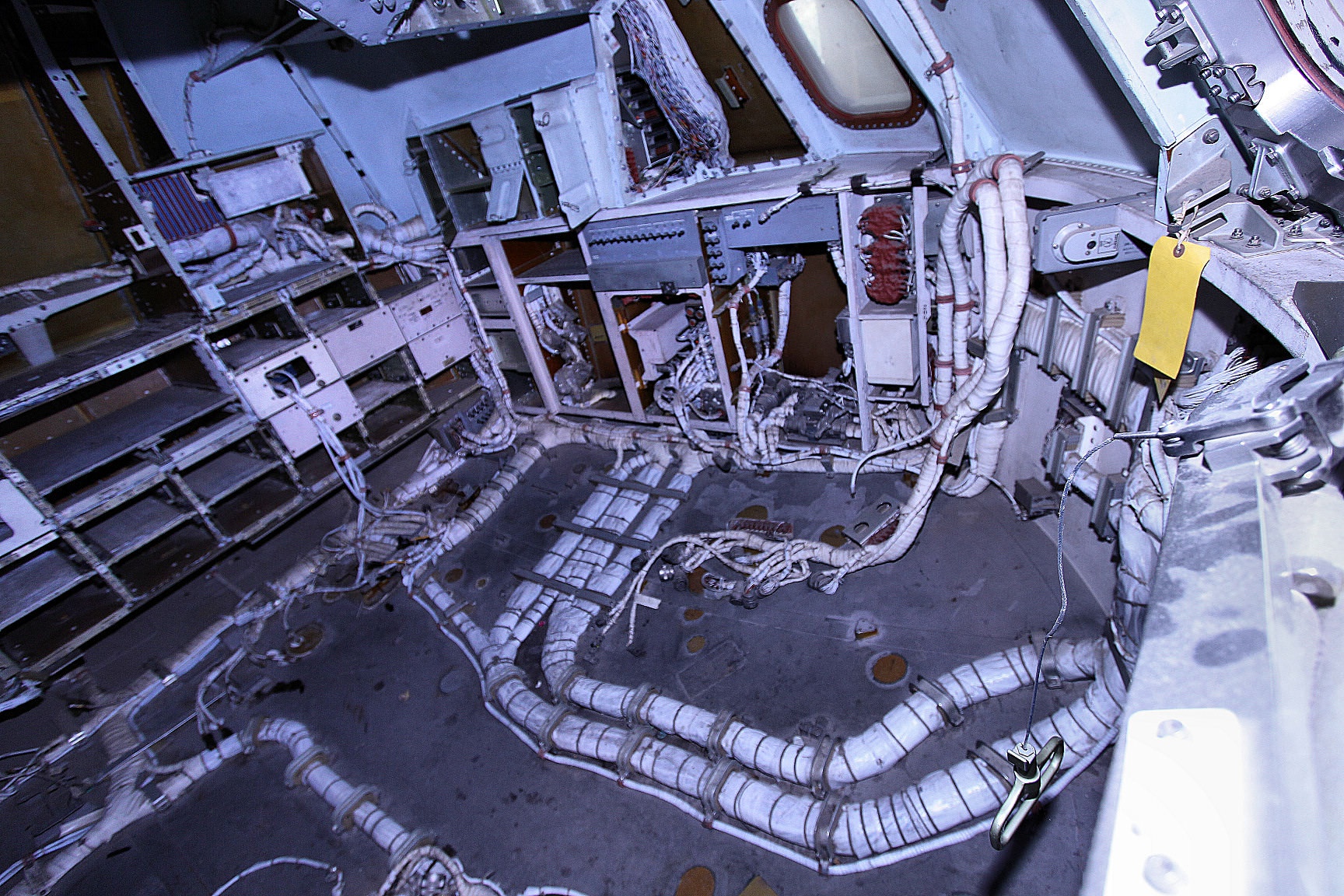
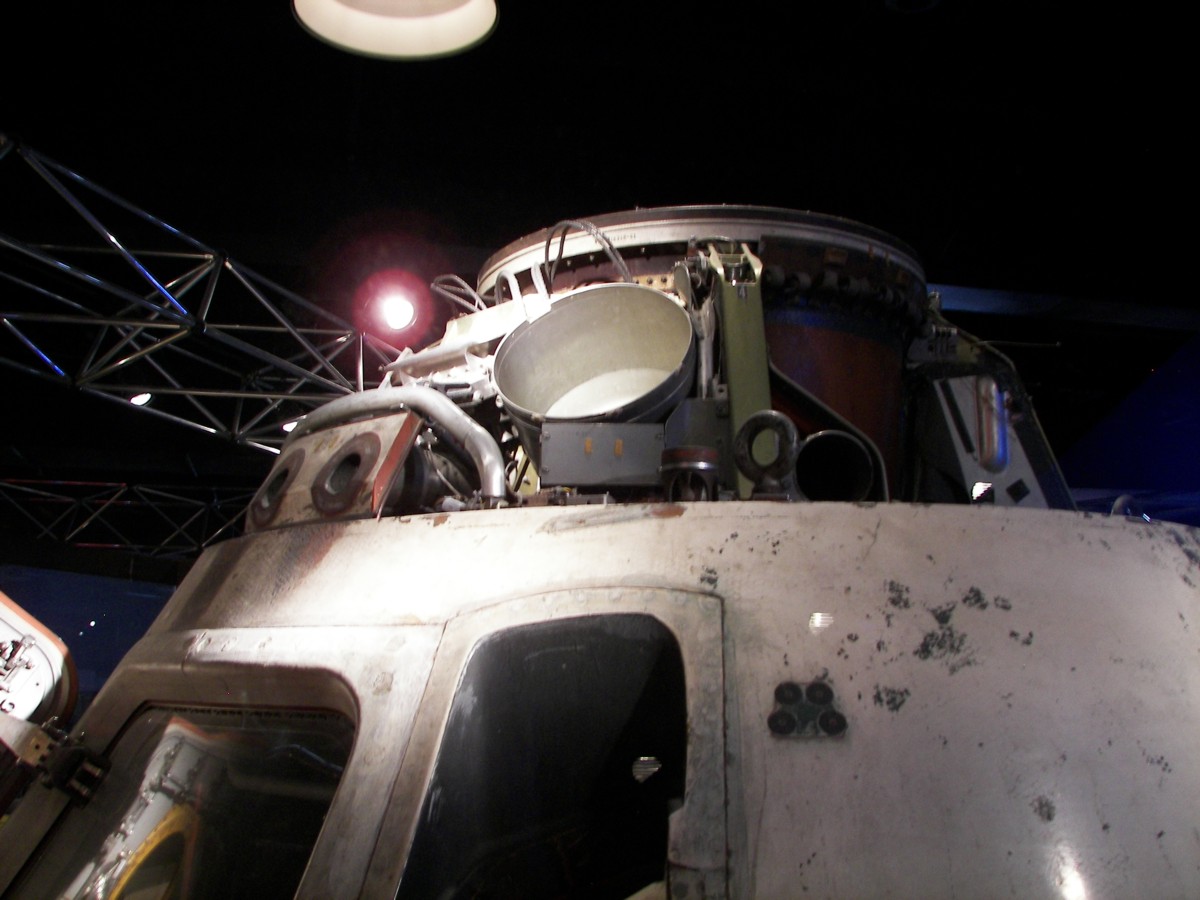
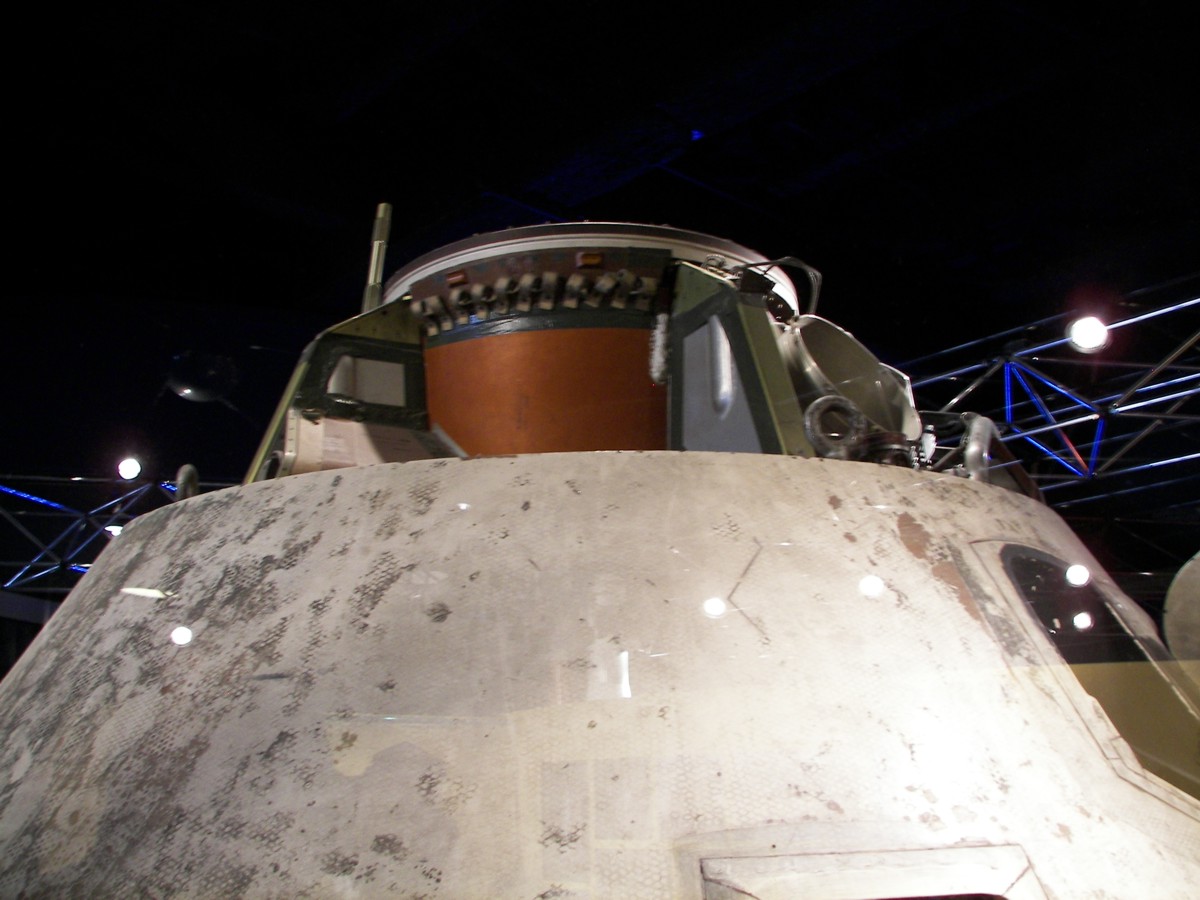
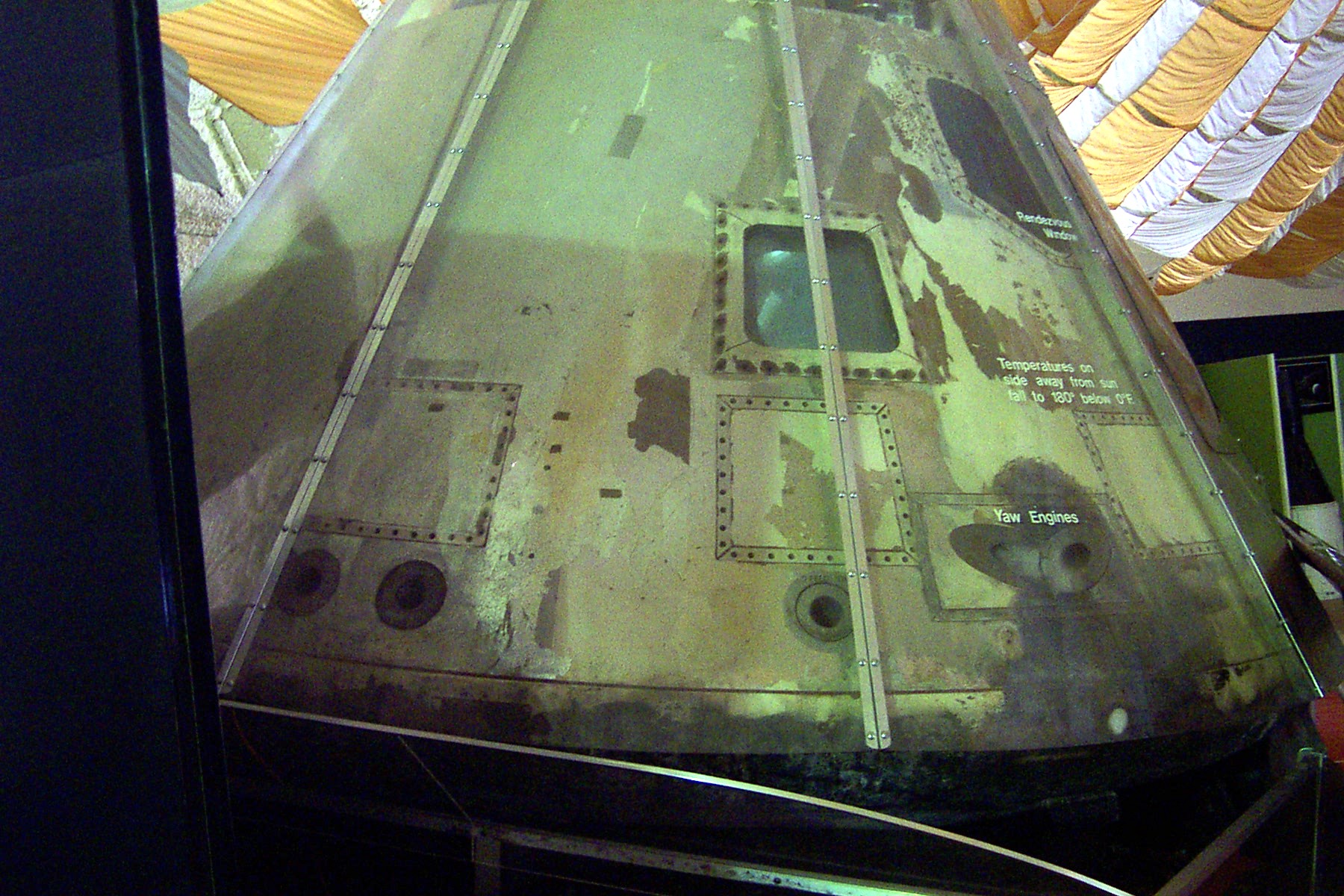
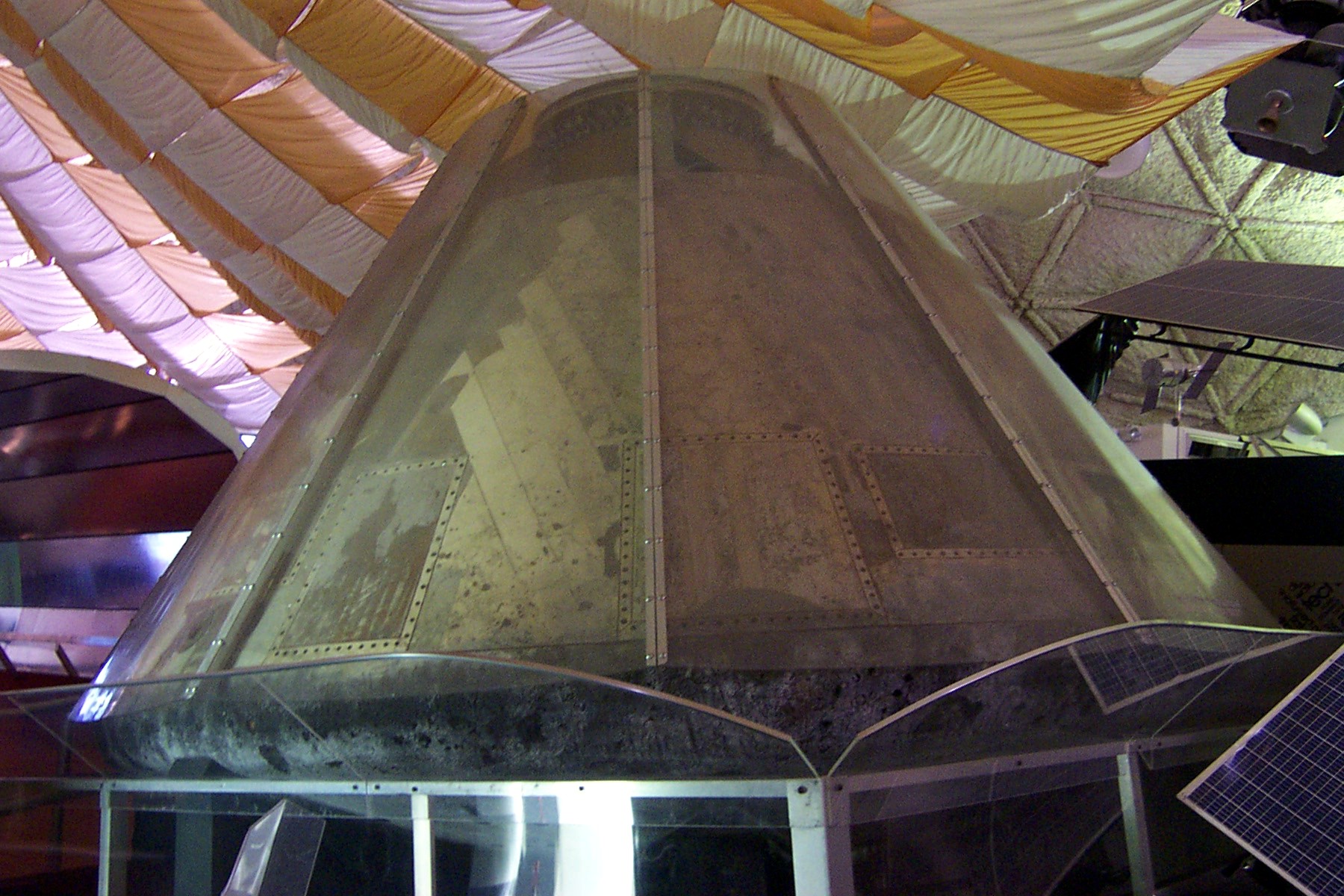
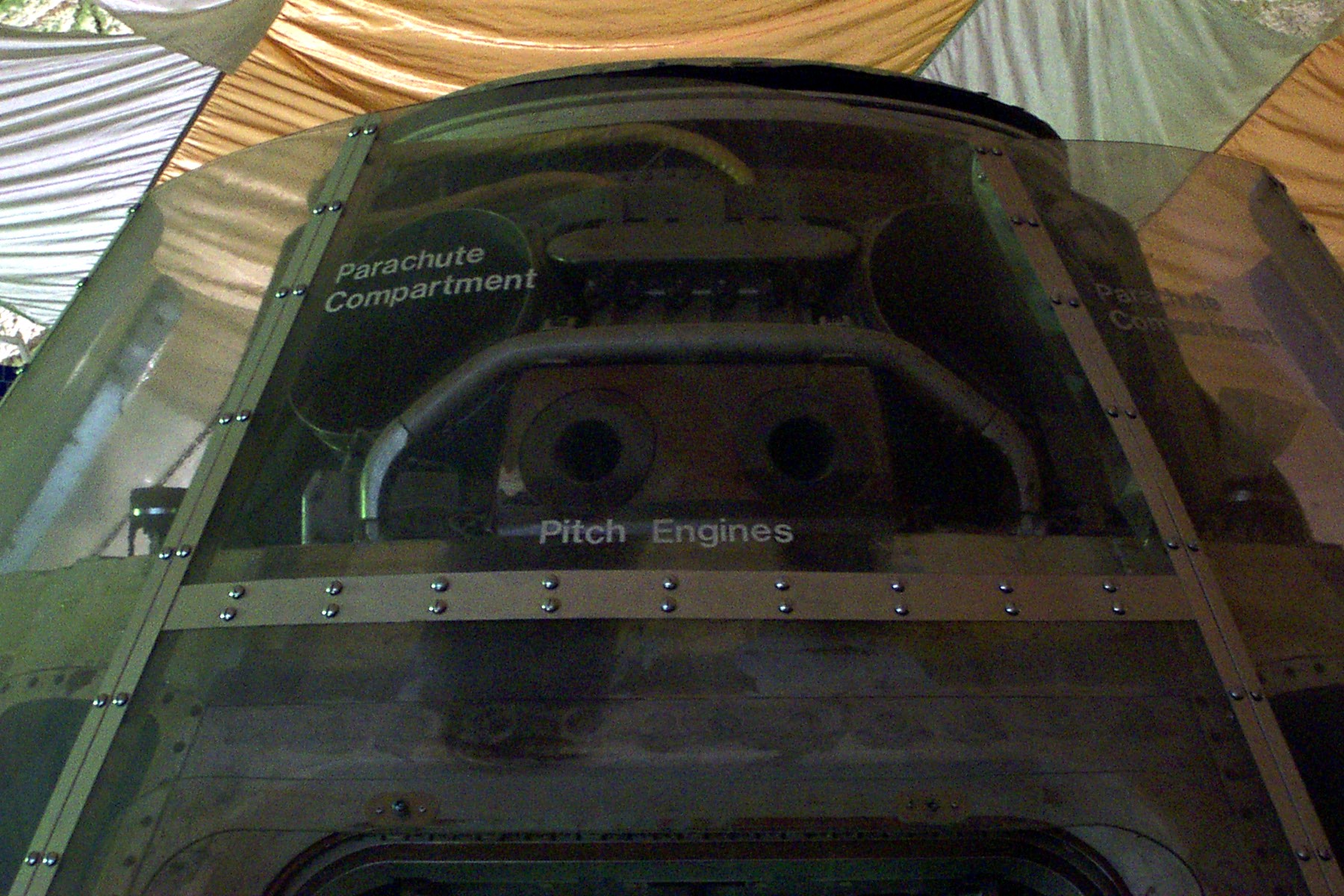
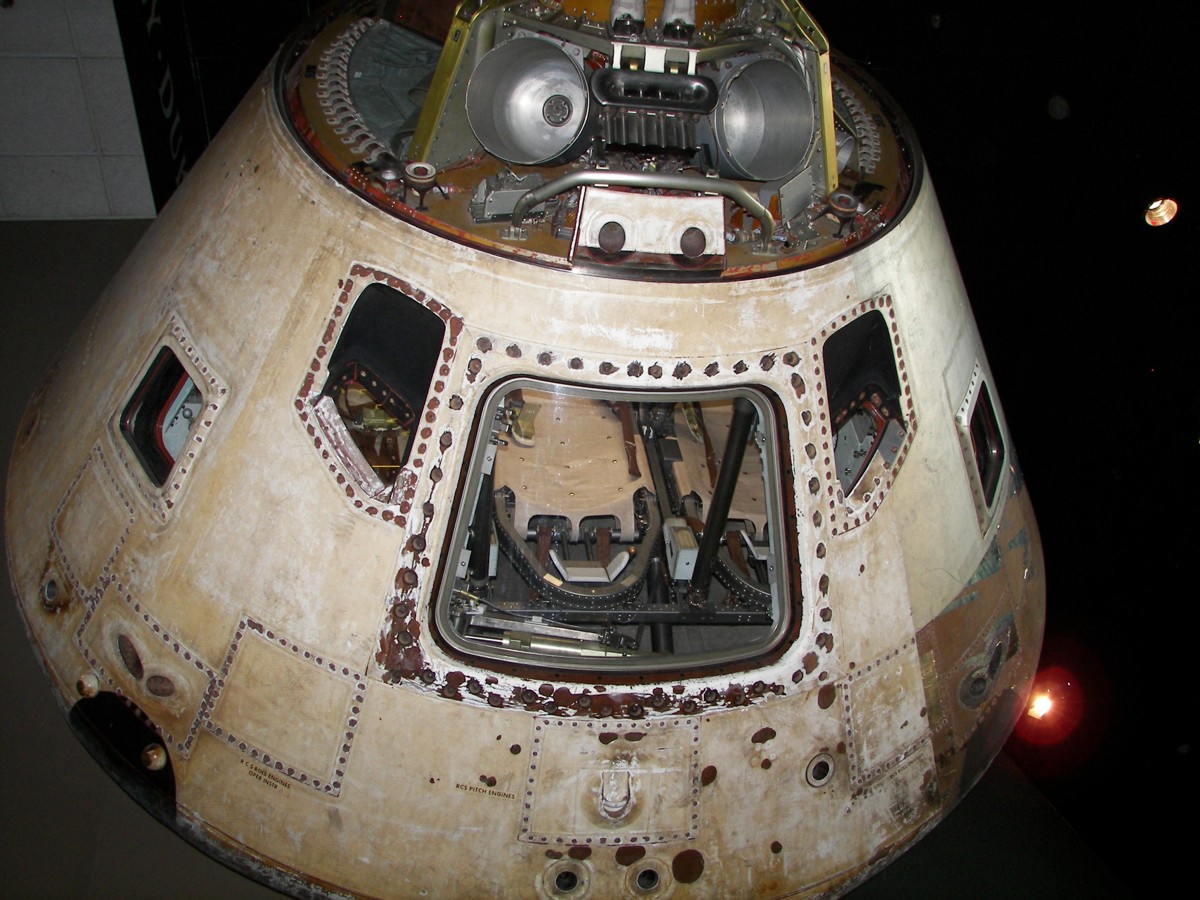
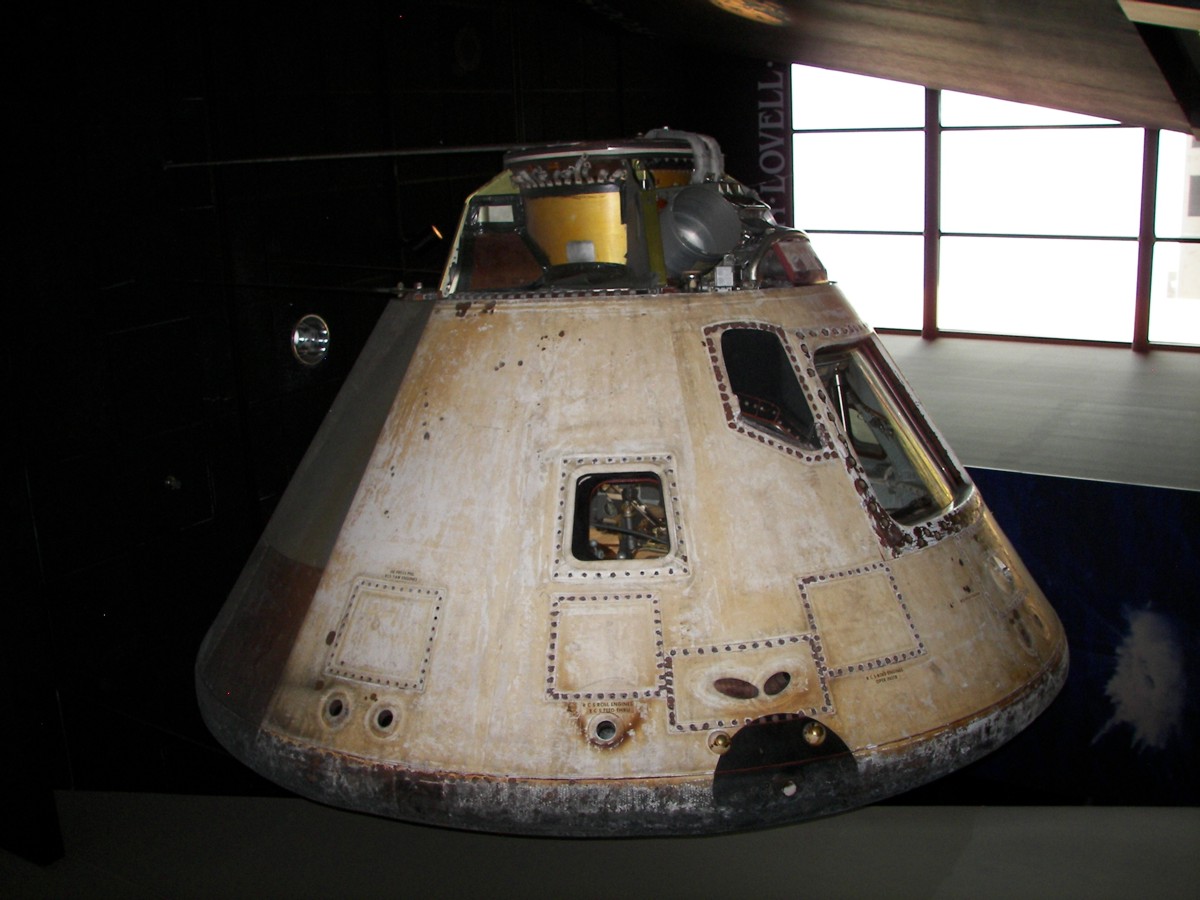
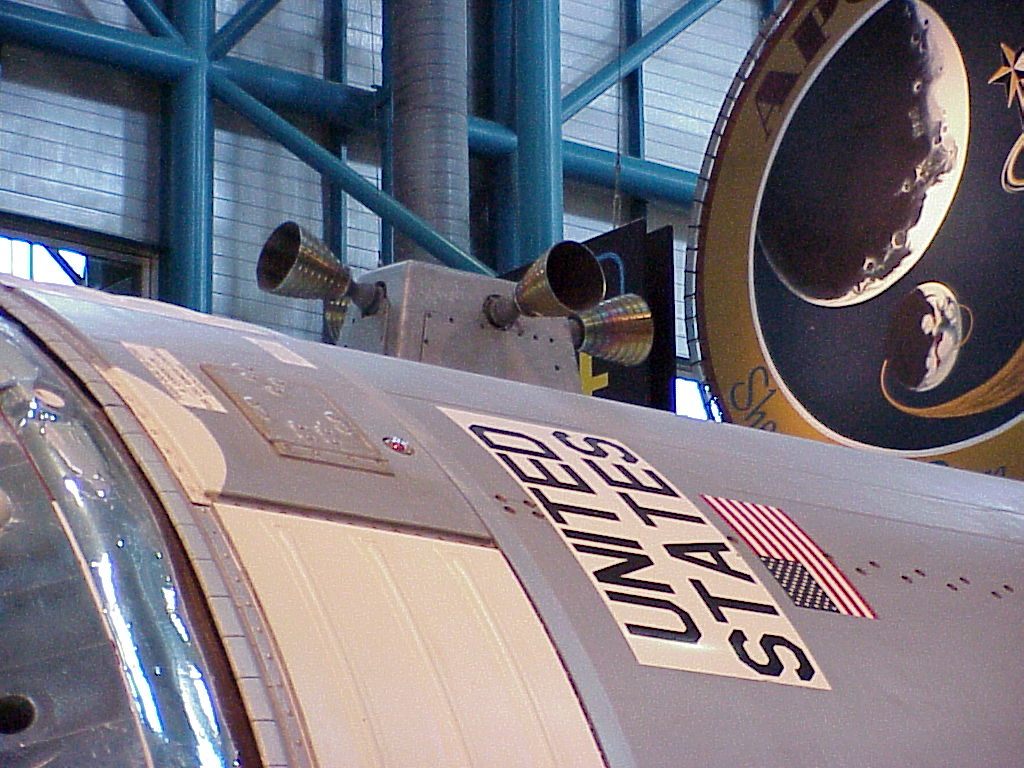
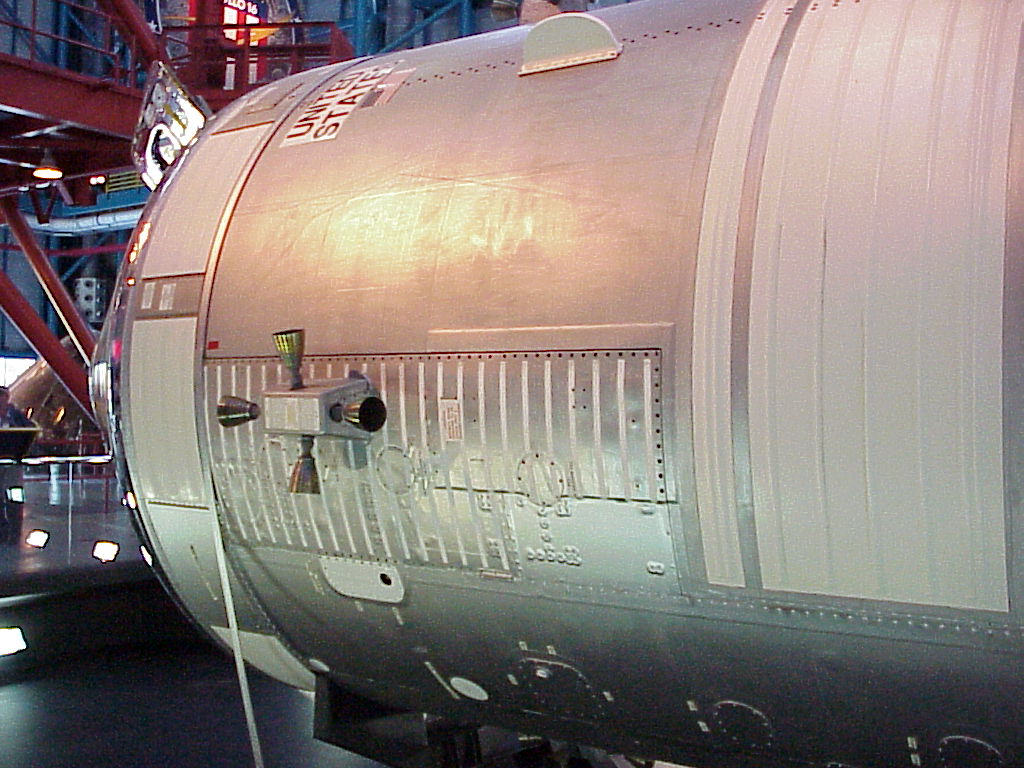
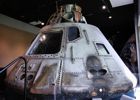
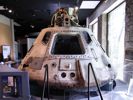
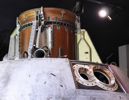
Apollo 6 Command Module (CM-020)
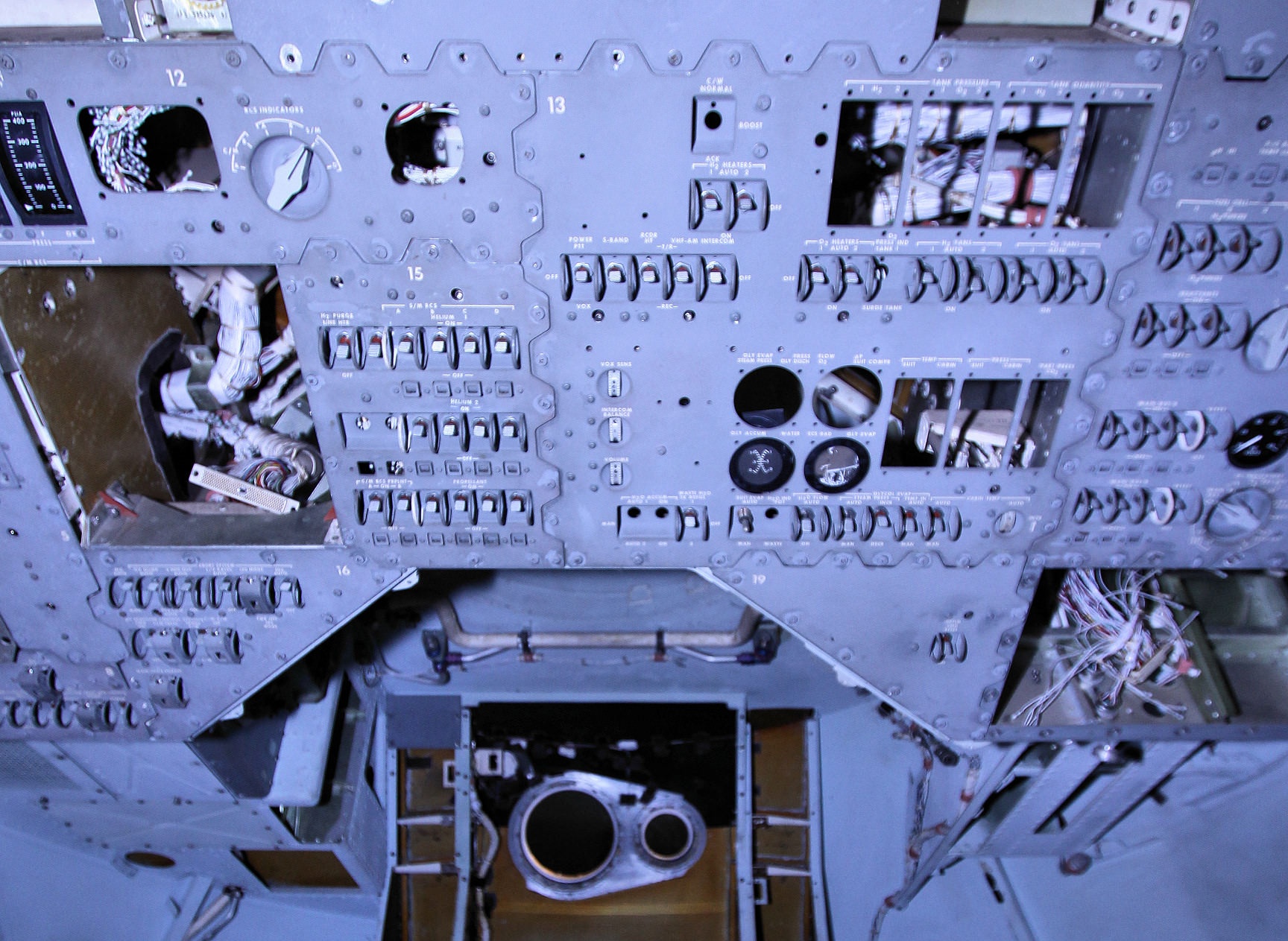
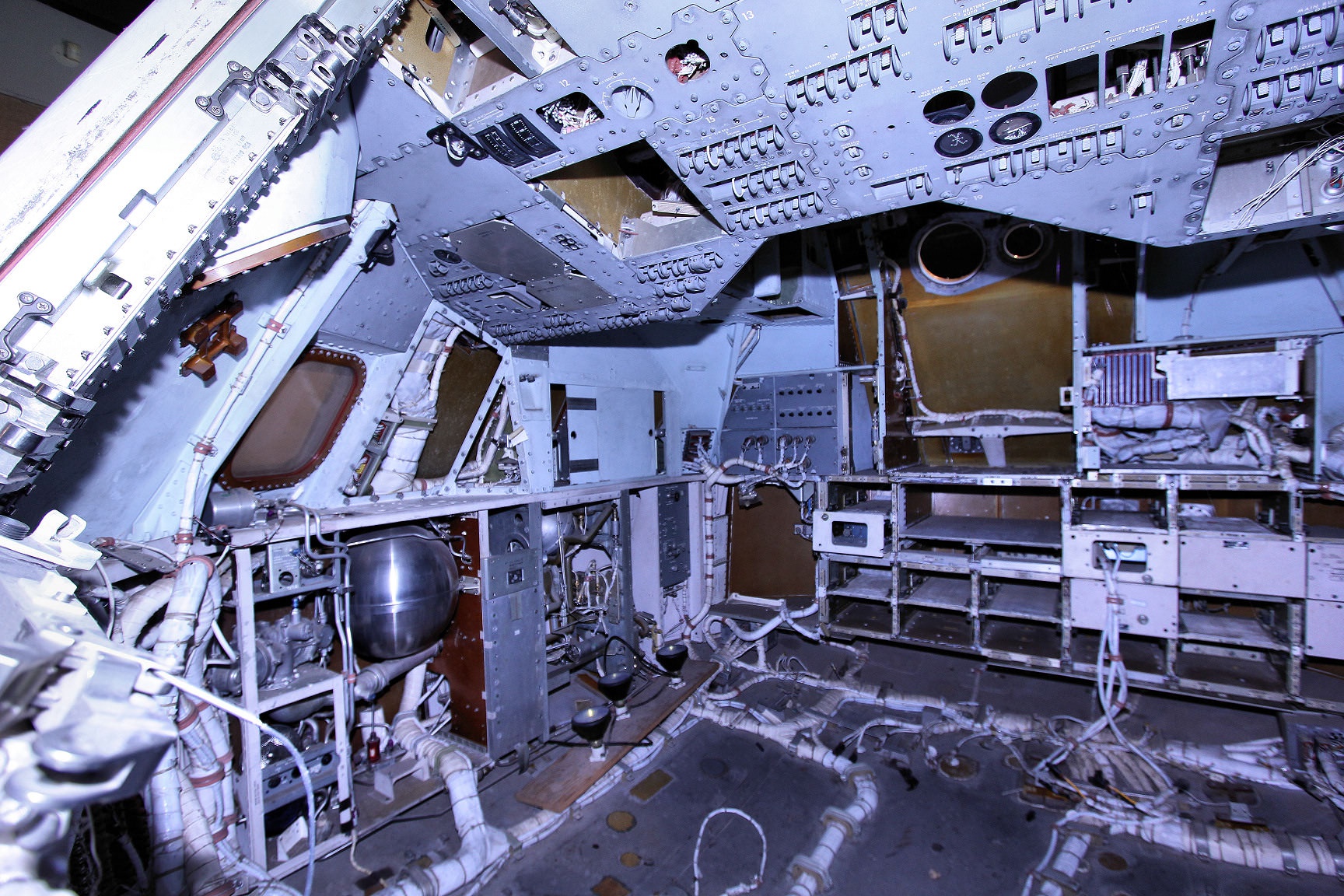
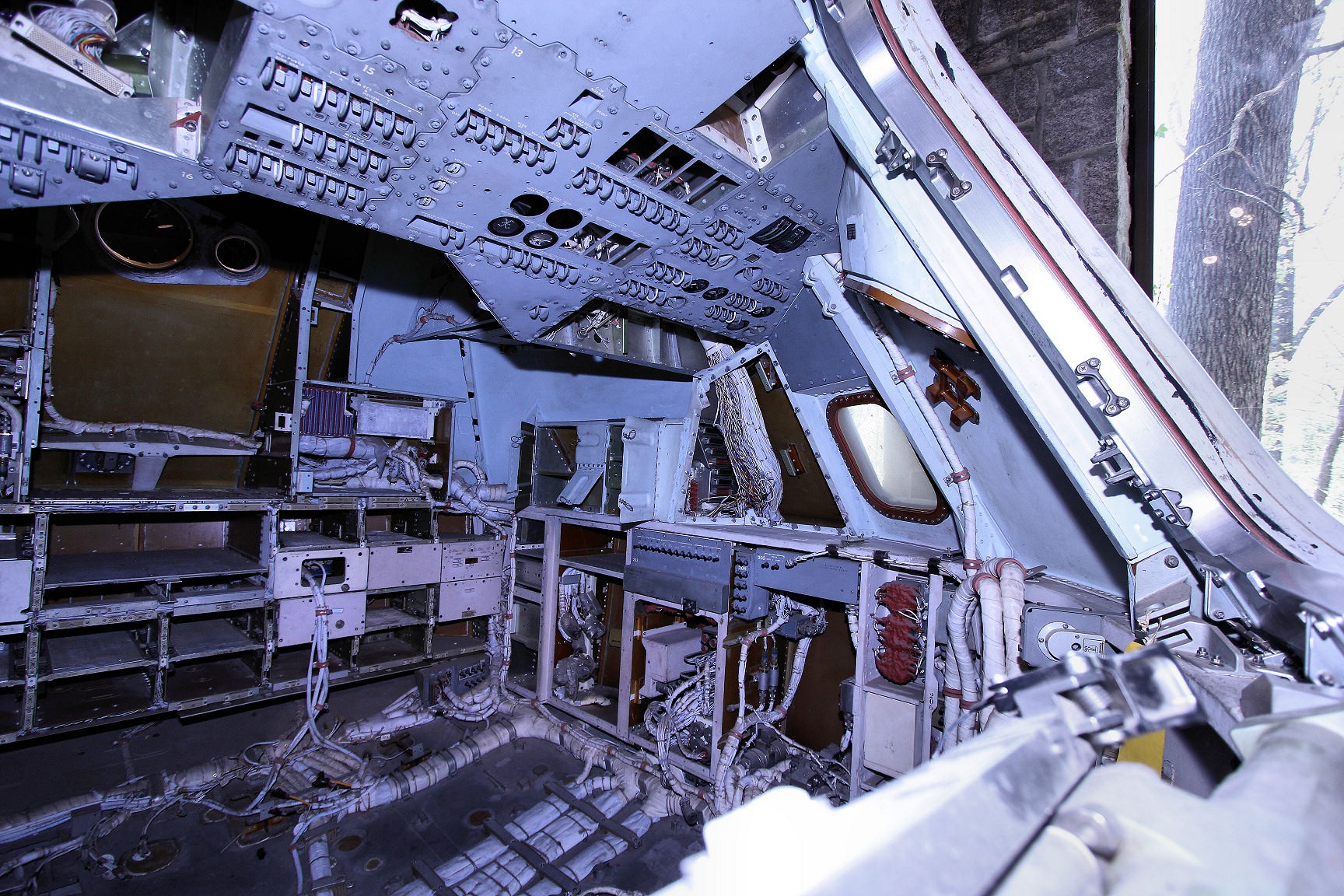
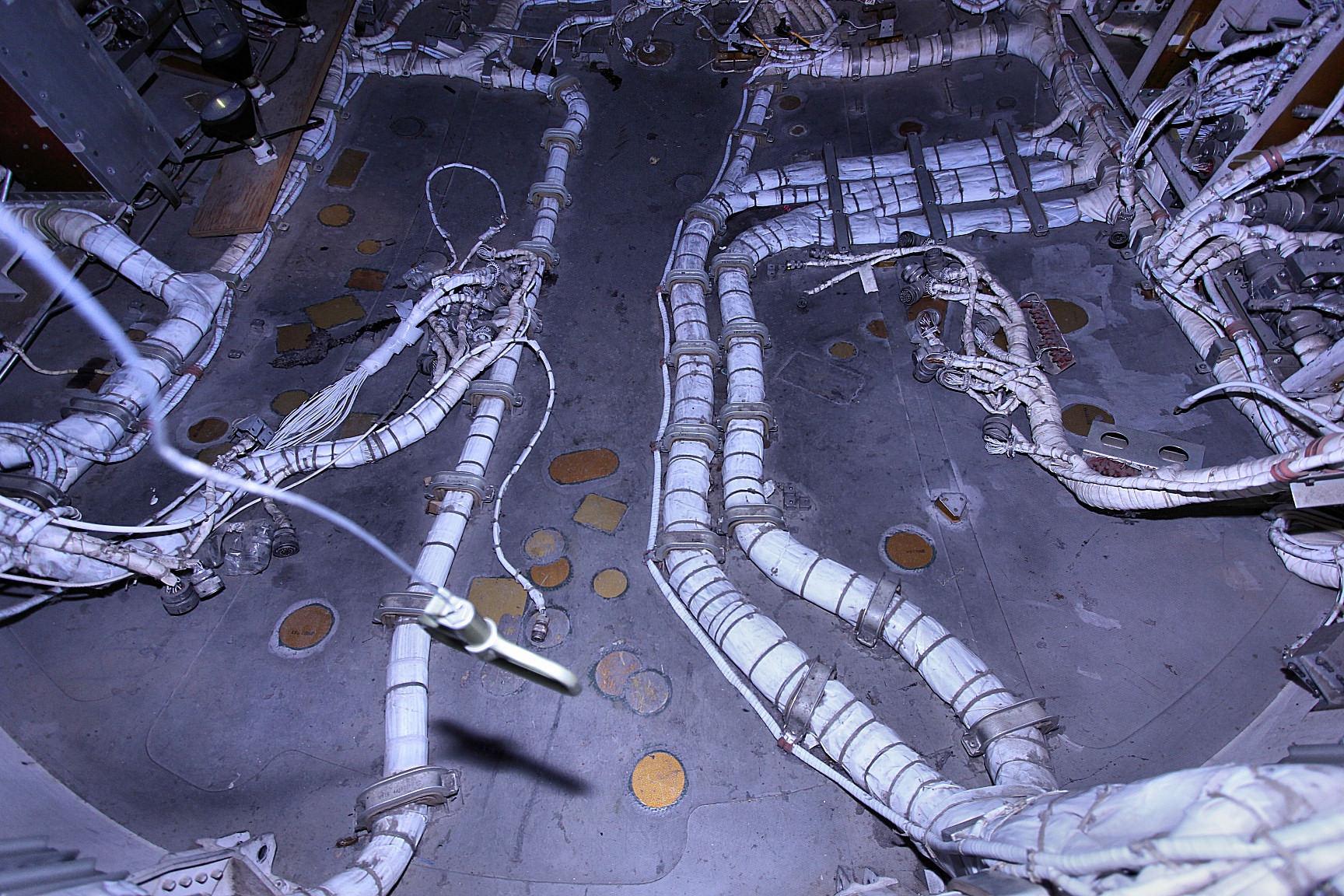
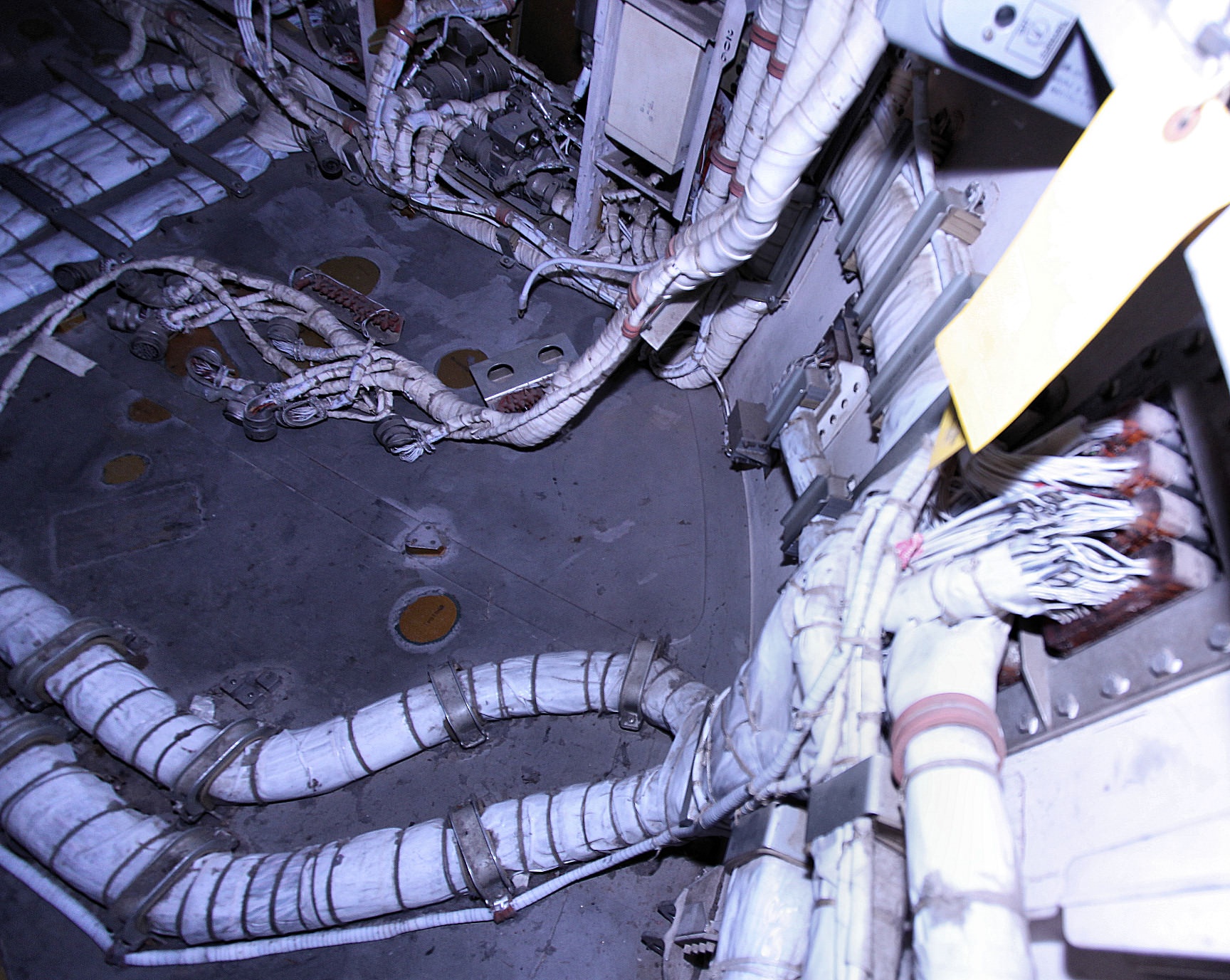
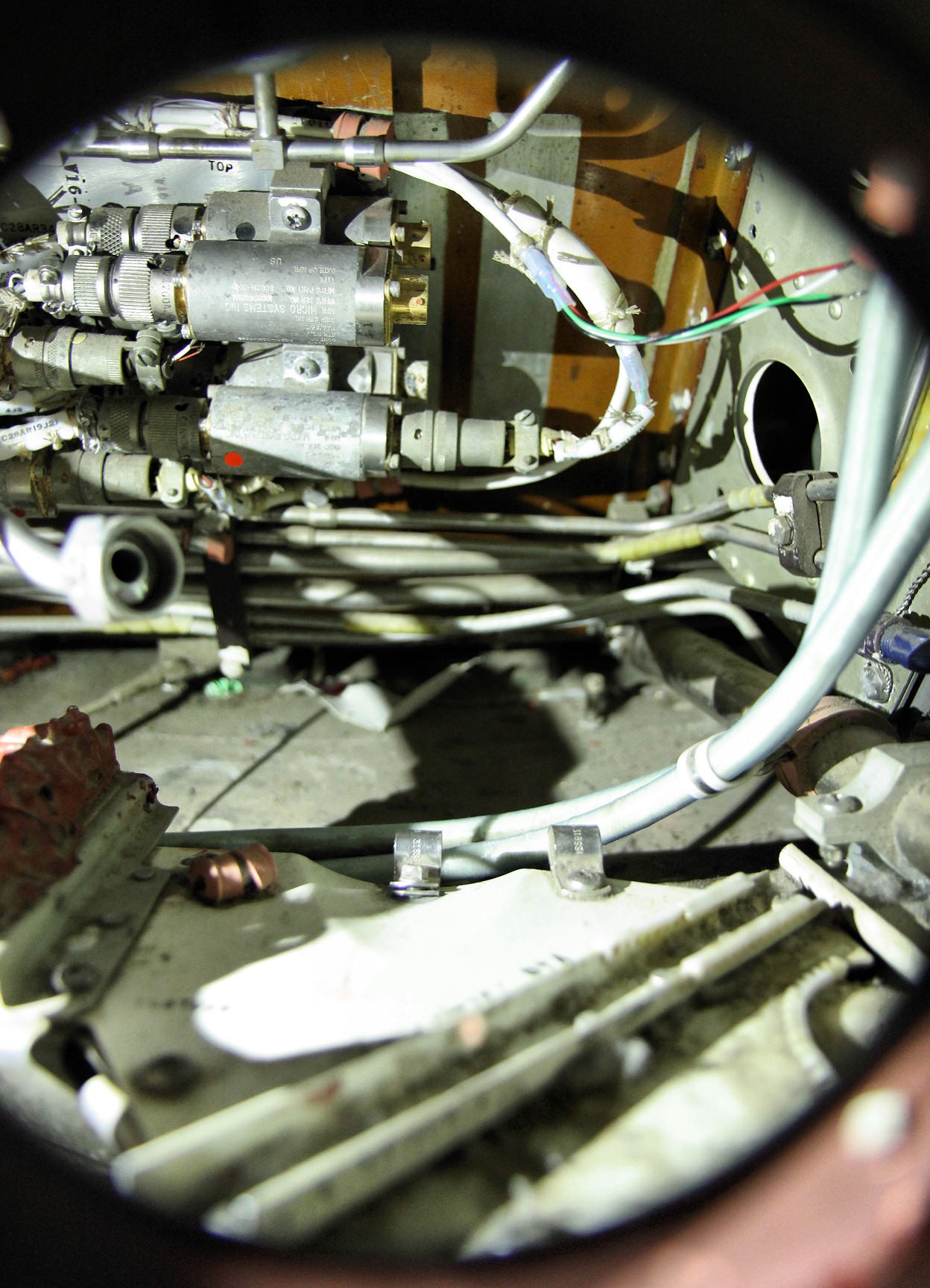
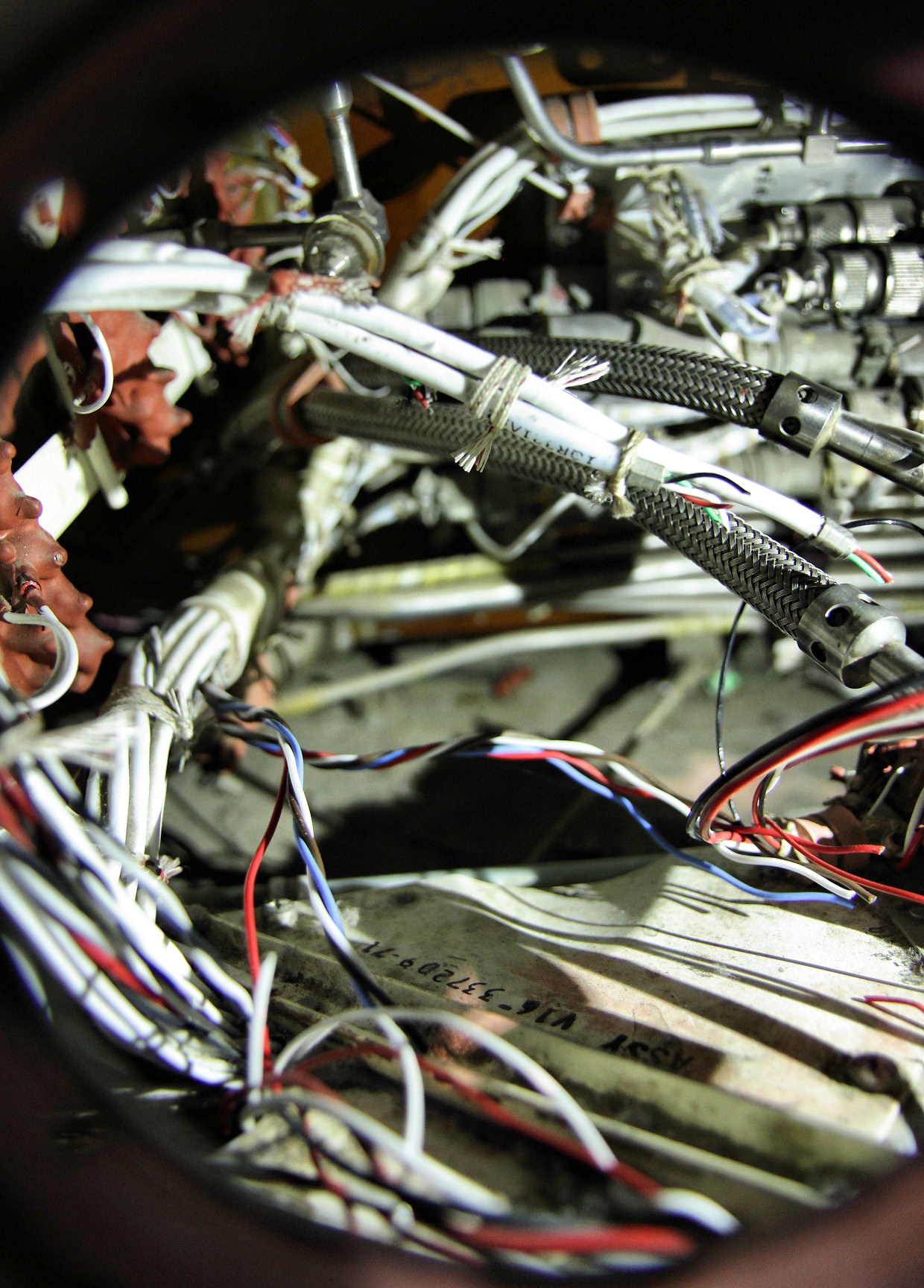
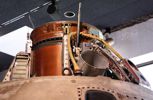
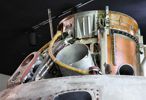
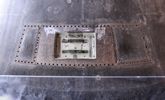
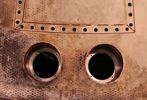
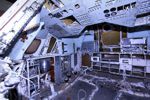
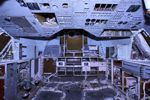
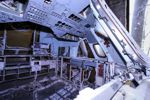
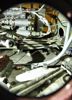
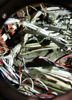
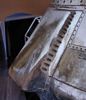
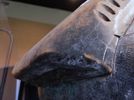
The uncrewed Apollo 6 test flight was launched on April 4, 1968. The spacecraft is currently on display at the Fernbank Science Museum in Atlanta, Georgia. (Photos: Greg Fieser, 2018)
Apollo 6 Exterior

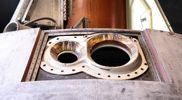
Apollo 6 Interior
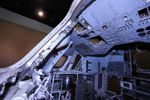
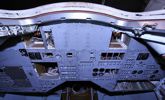
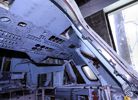
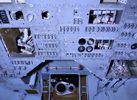
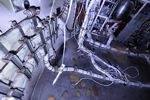
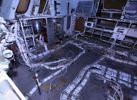
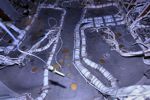
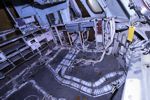
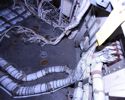
Apollo 6 Umbilical Connections
Apollo 7 Command Module (CM-101)
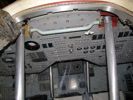
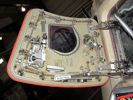
Apollo 7 was launched on October 11, 1968. The crew included Walter Schirra (Mission Commander), Donn Eisele (Command Module Pilot), and Walter Cunningham (Lunar Module Pilot). The spacecraft is currently on display at the Frontiers of Flight Museum in Dallas, Texas. (Photos: Greg Fieser, 2012)
Apollo 8 Command Module (CM-103)
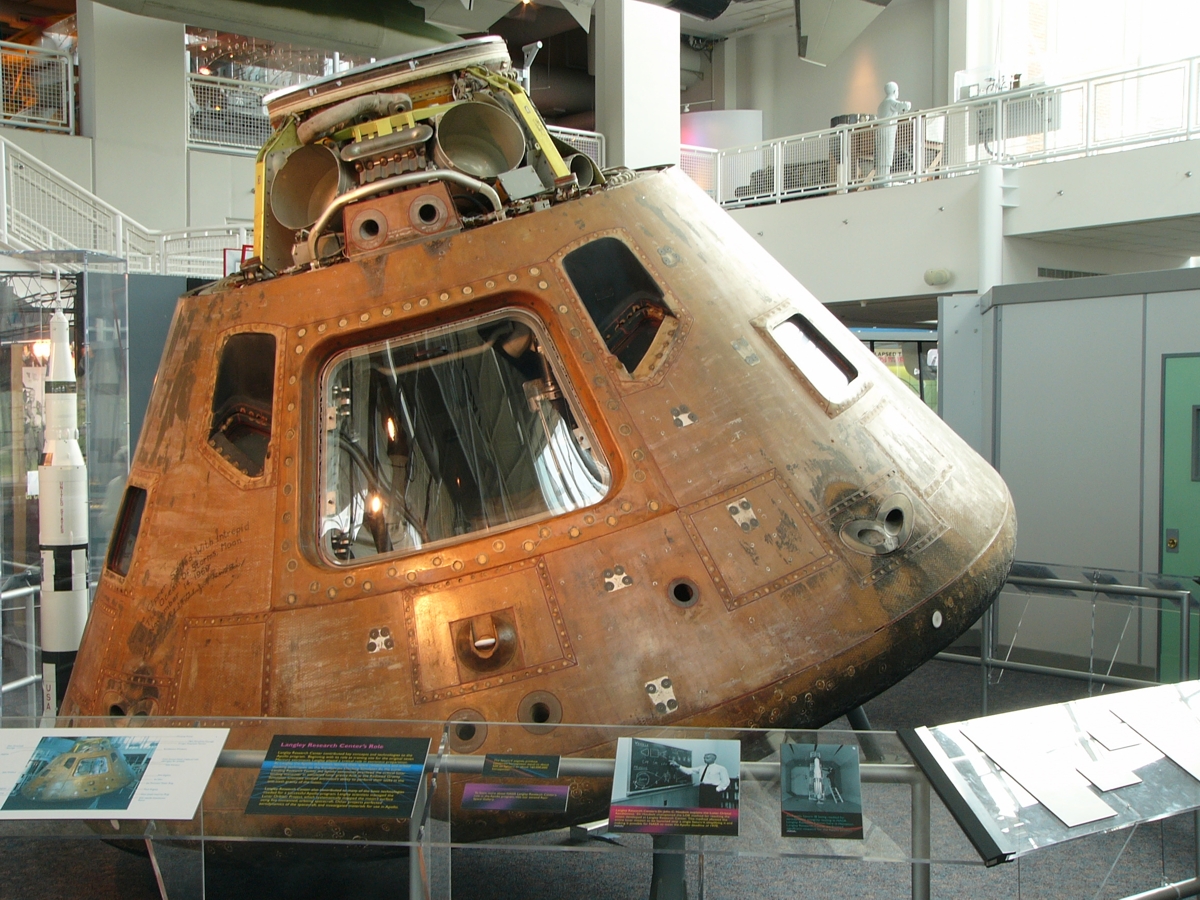
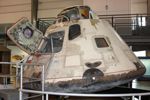
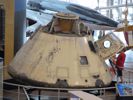
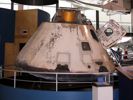
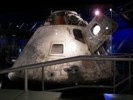
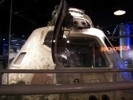
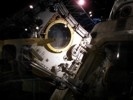
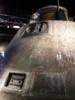
Launched on December 21, 1968, Apollo 8 was the first crewed mission to orbit the Moon. The crew included Frank Borman (Mission Commander), James Lovell (Command Module Pilot), and William Anders (Lunar Module Pilot). These photos were taken at the Chicago Museum of Science and Industry. (Photos: Richard Kruse, 2008)
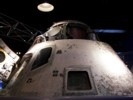
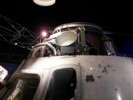
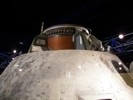
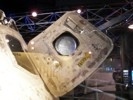
Apollo 9 (CM-104) Exterior Photos
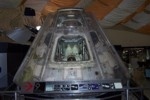
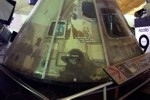
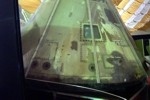
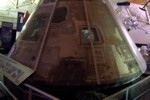
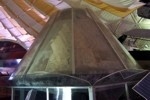
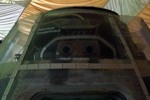
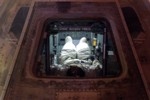
Apollo 9 (AS-504) was launched to Earth orbit on March 3, 1969. Astronauts McDivitt, Schweickart and Scott conducted the first manned test of the Lunar Module (LM-3) and the Apollo space suits.
The highly successful mission returned to Earth on March 13, 1969. These photos were taken at the Michigan Space and Science Center. (Photos: Richard Kruse, 2002)
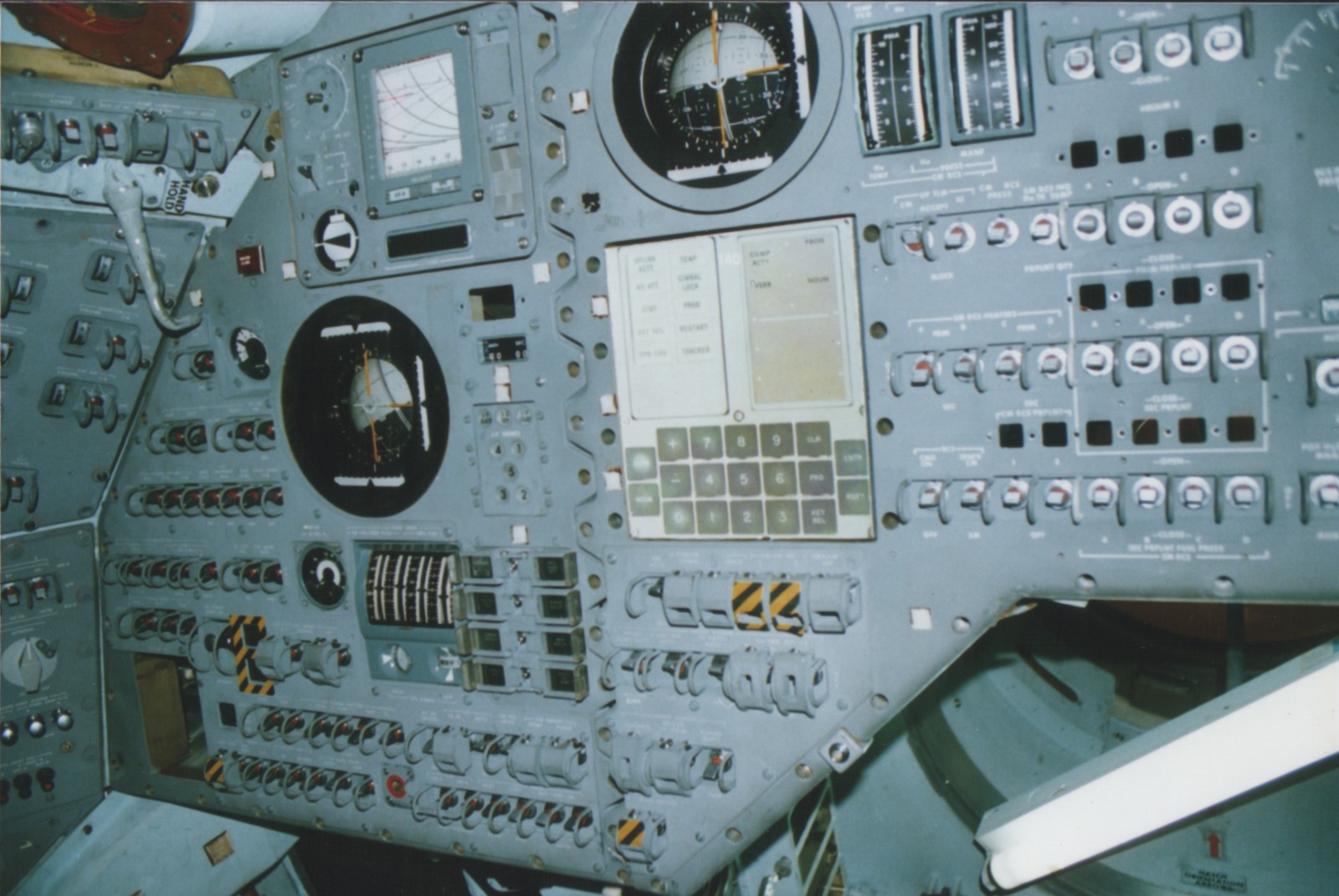
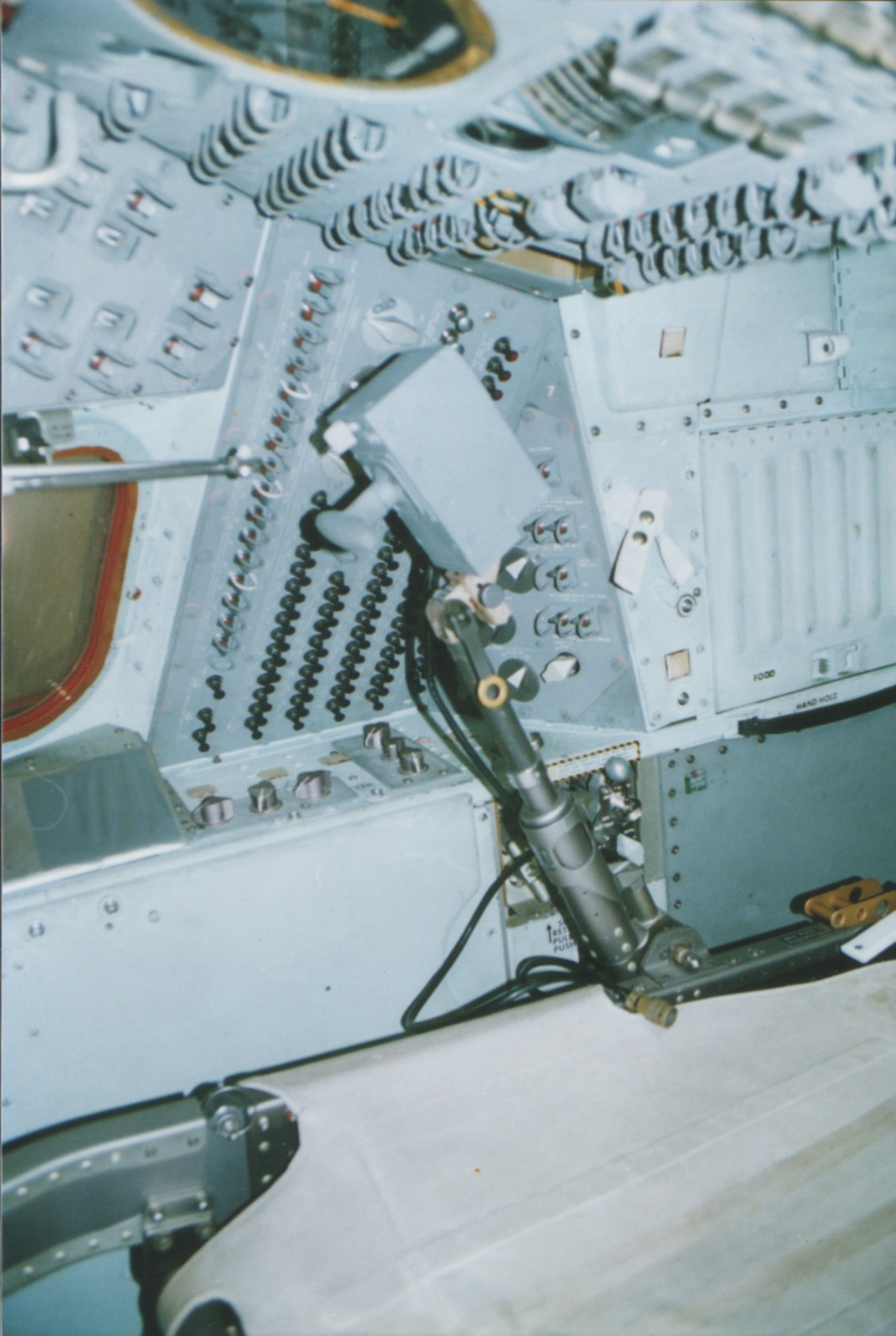
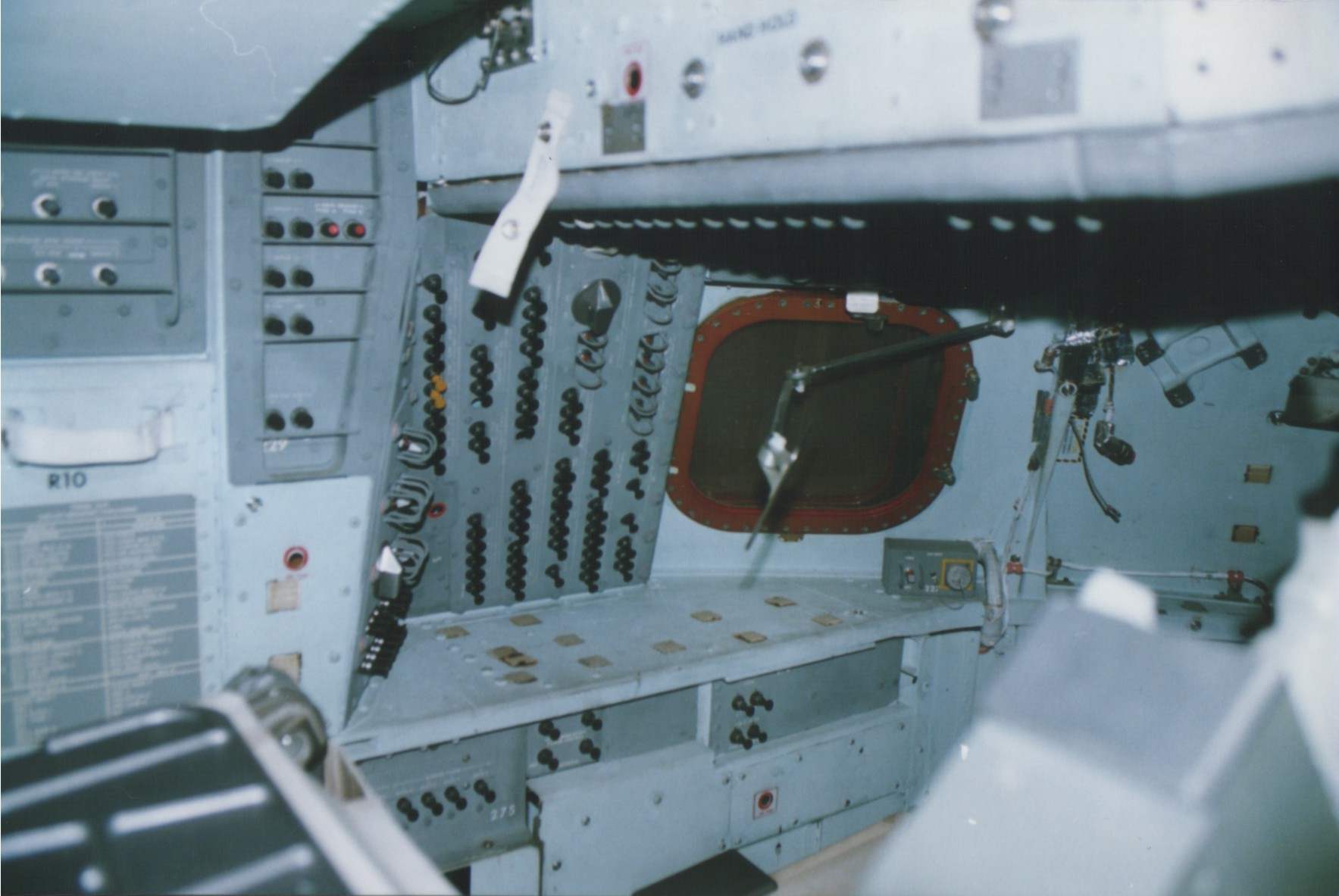
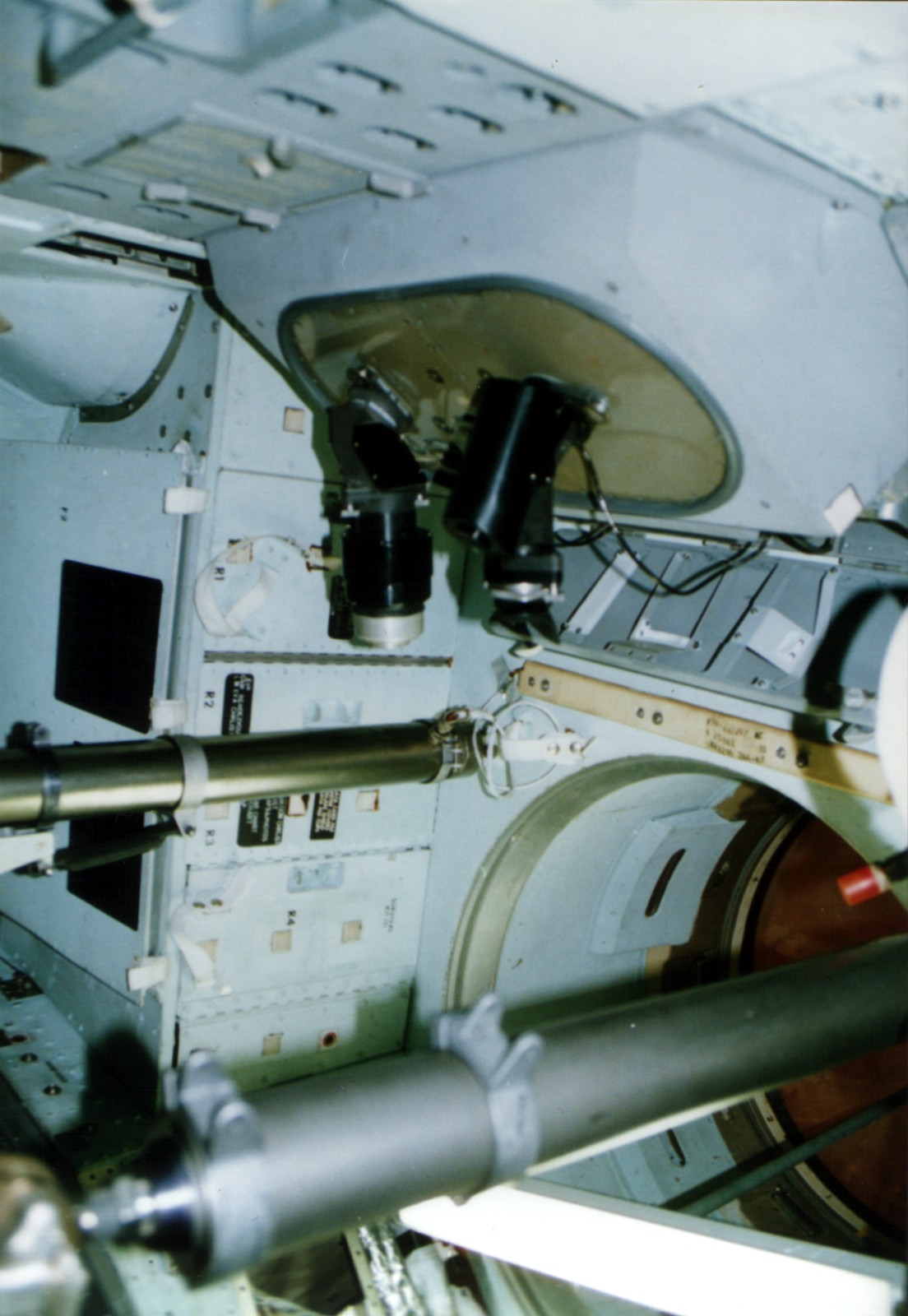
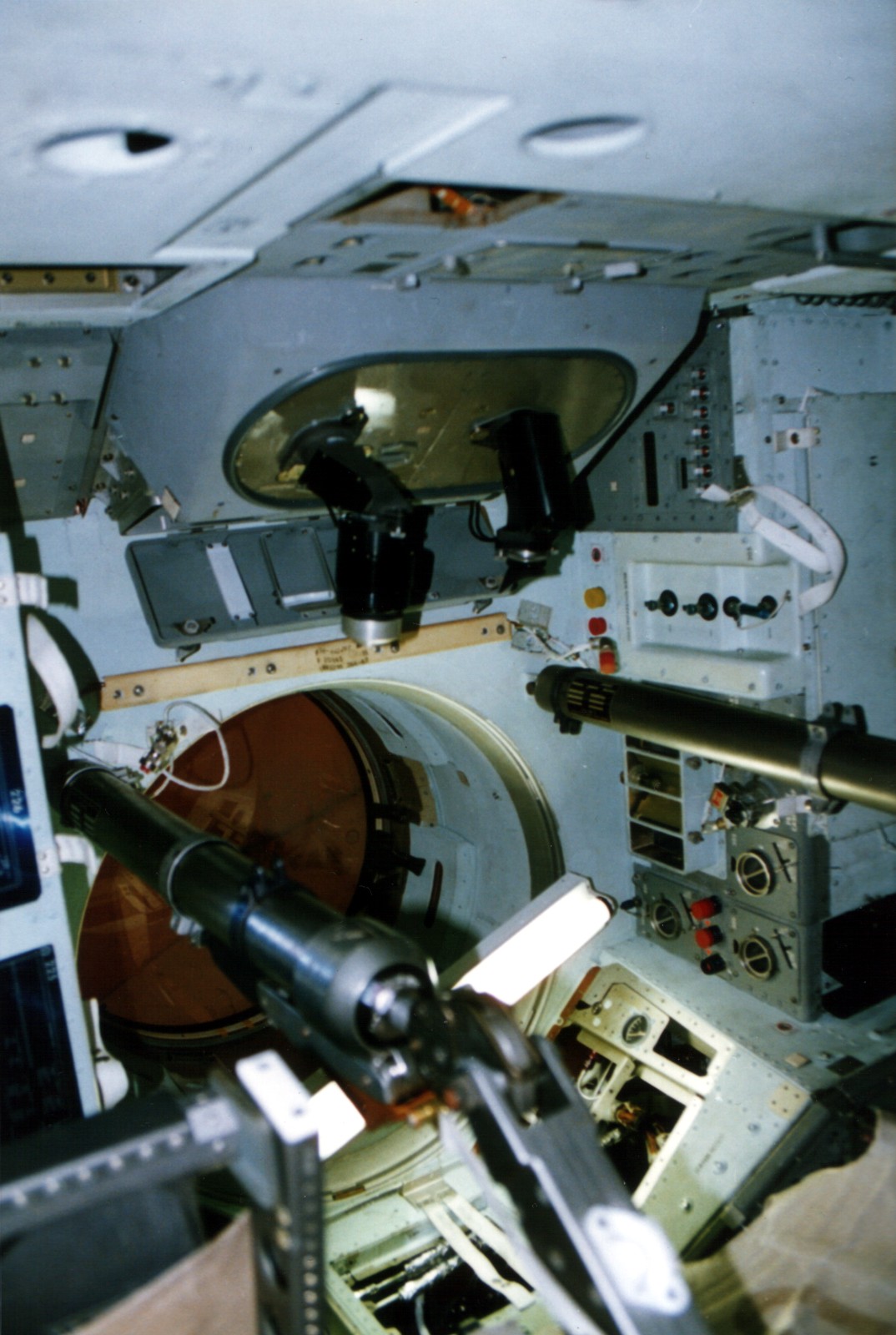
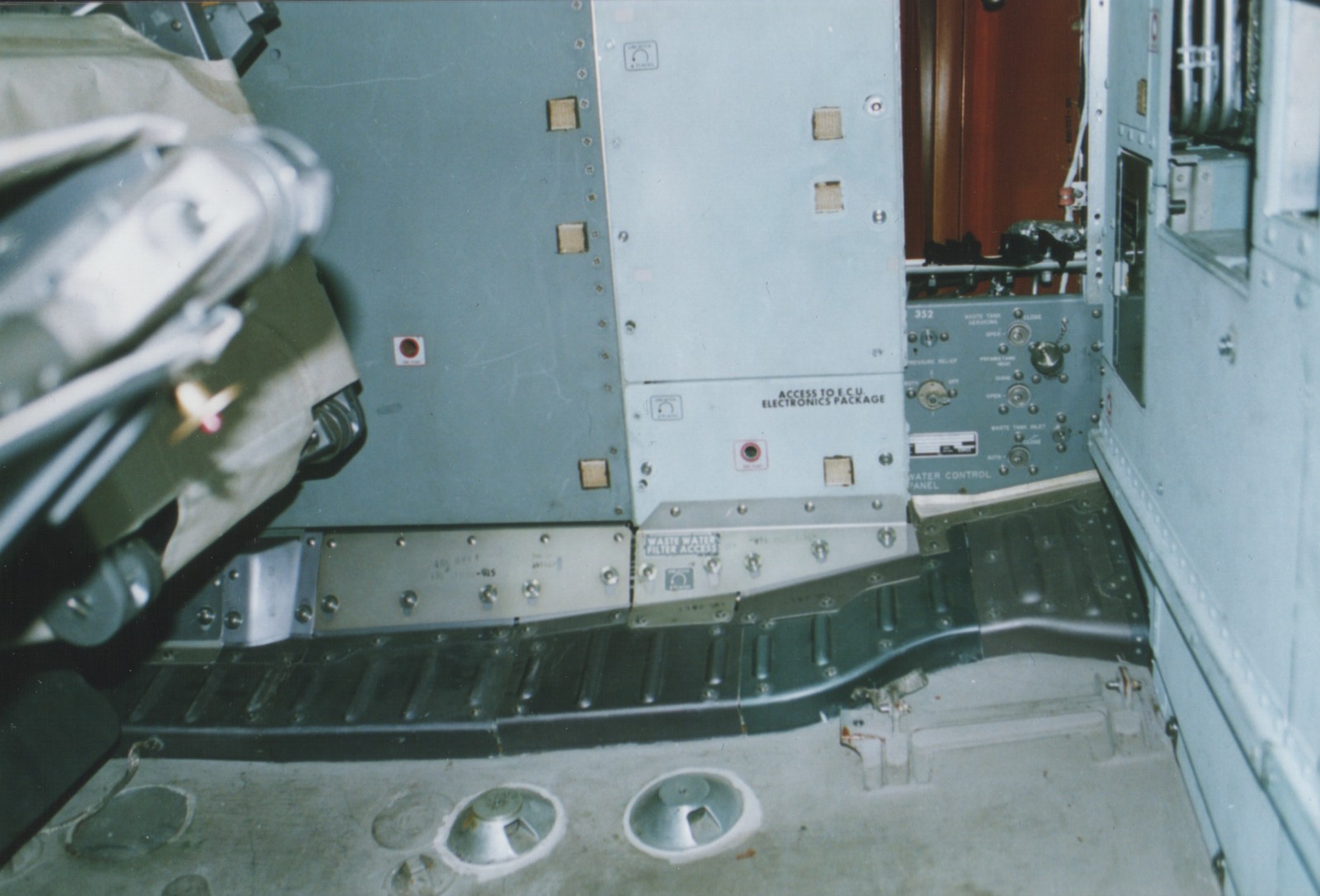
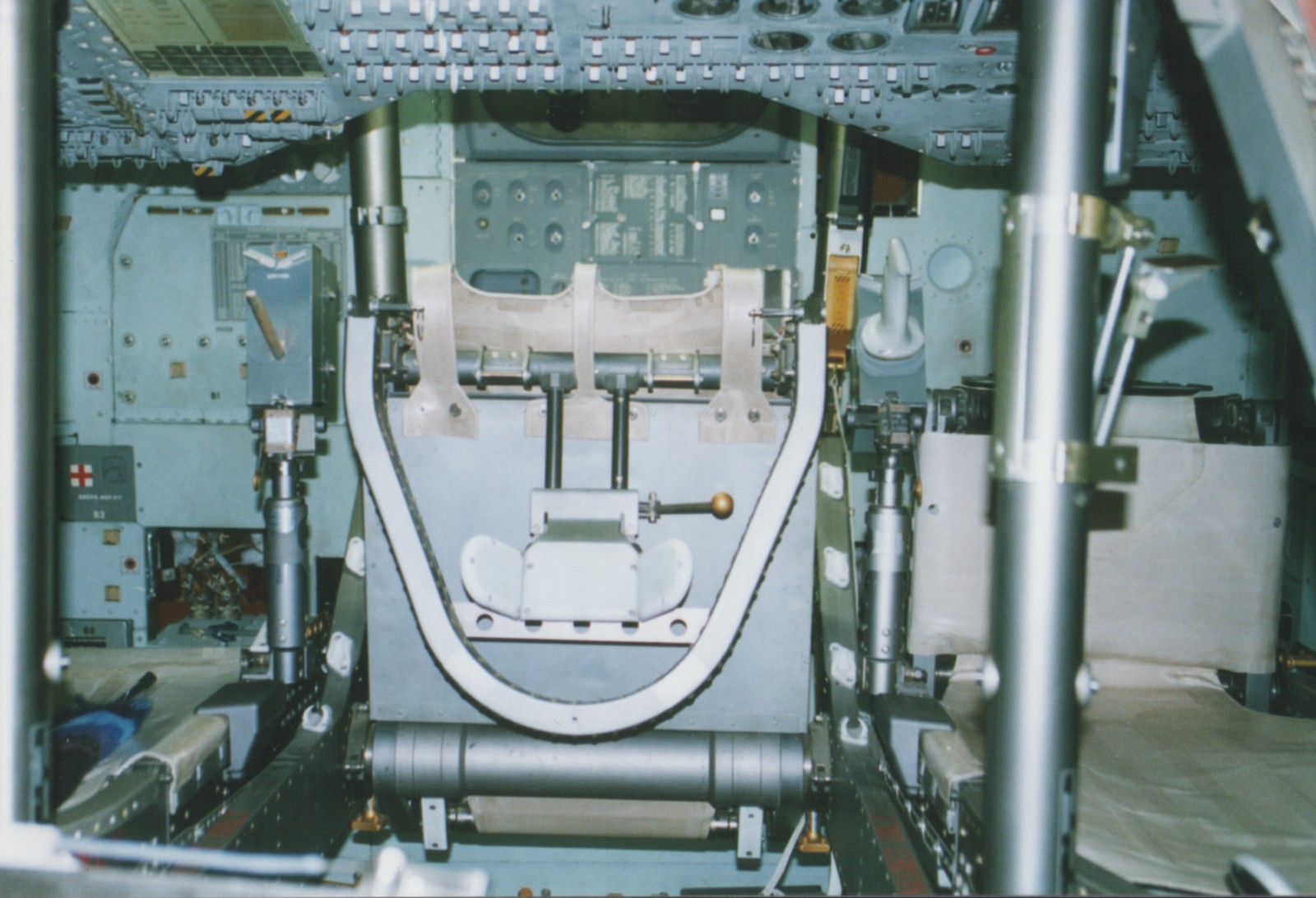
Apollo 9 (CM-104) Interior Photos
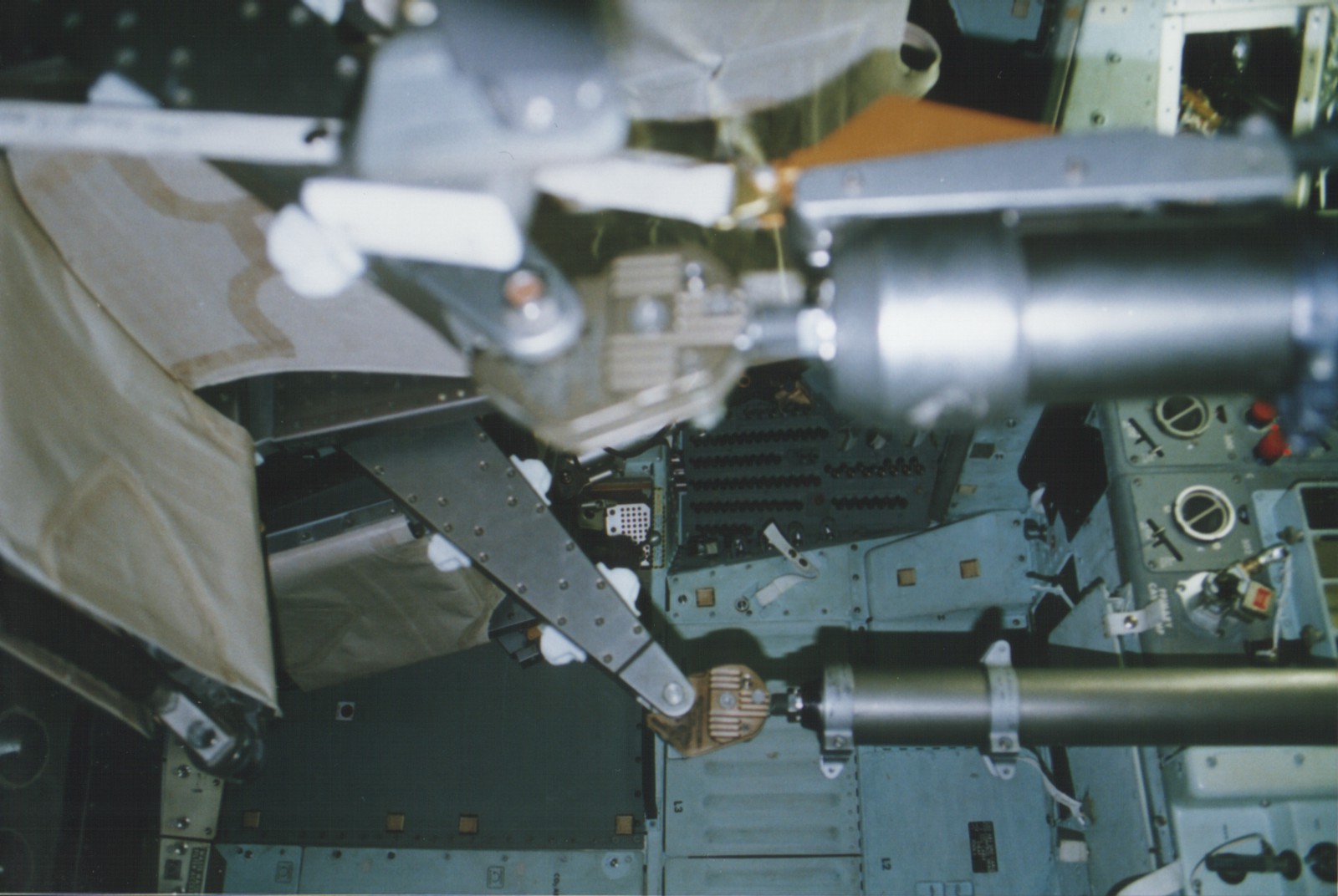
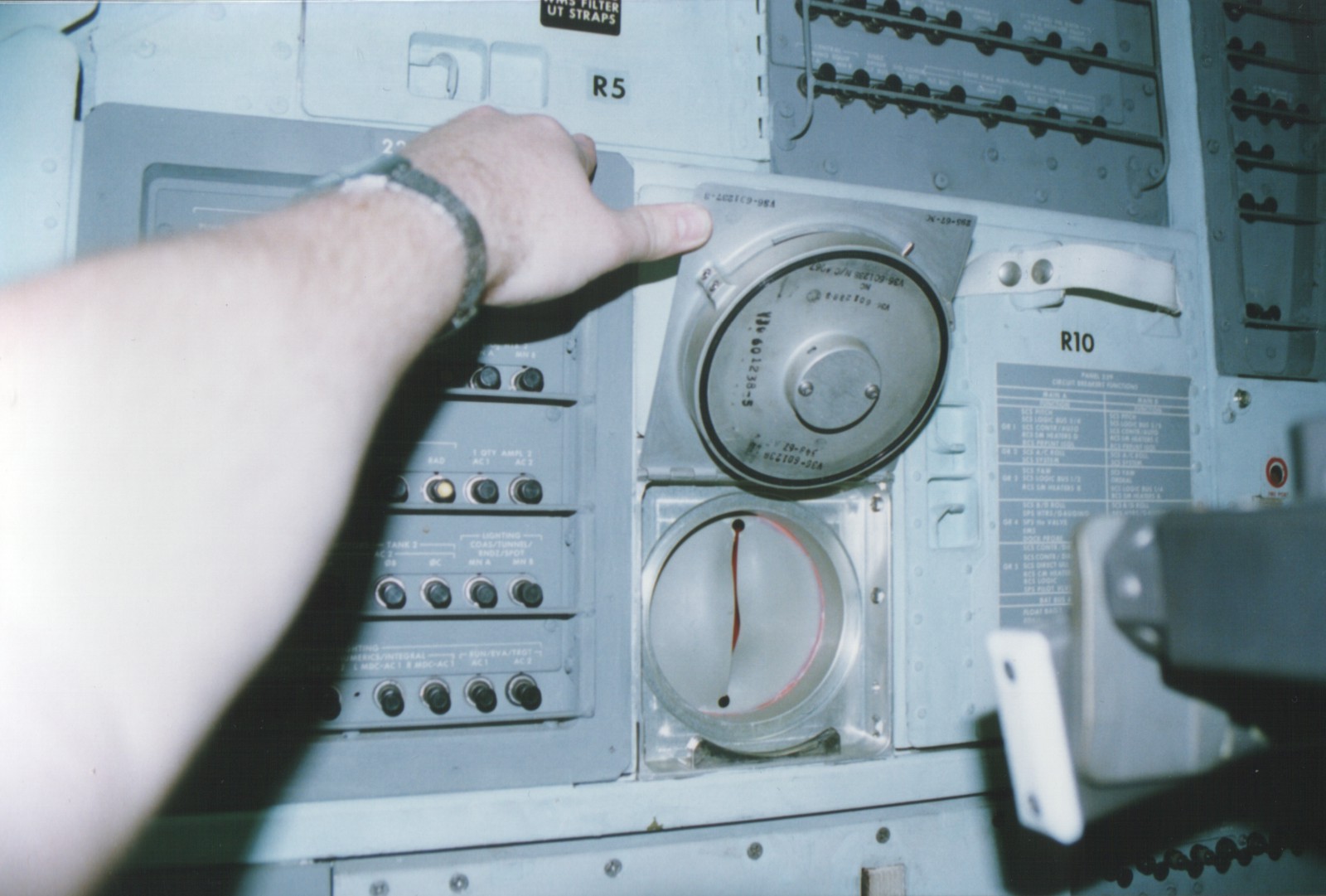
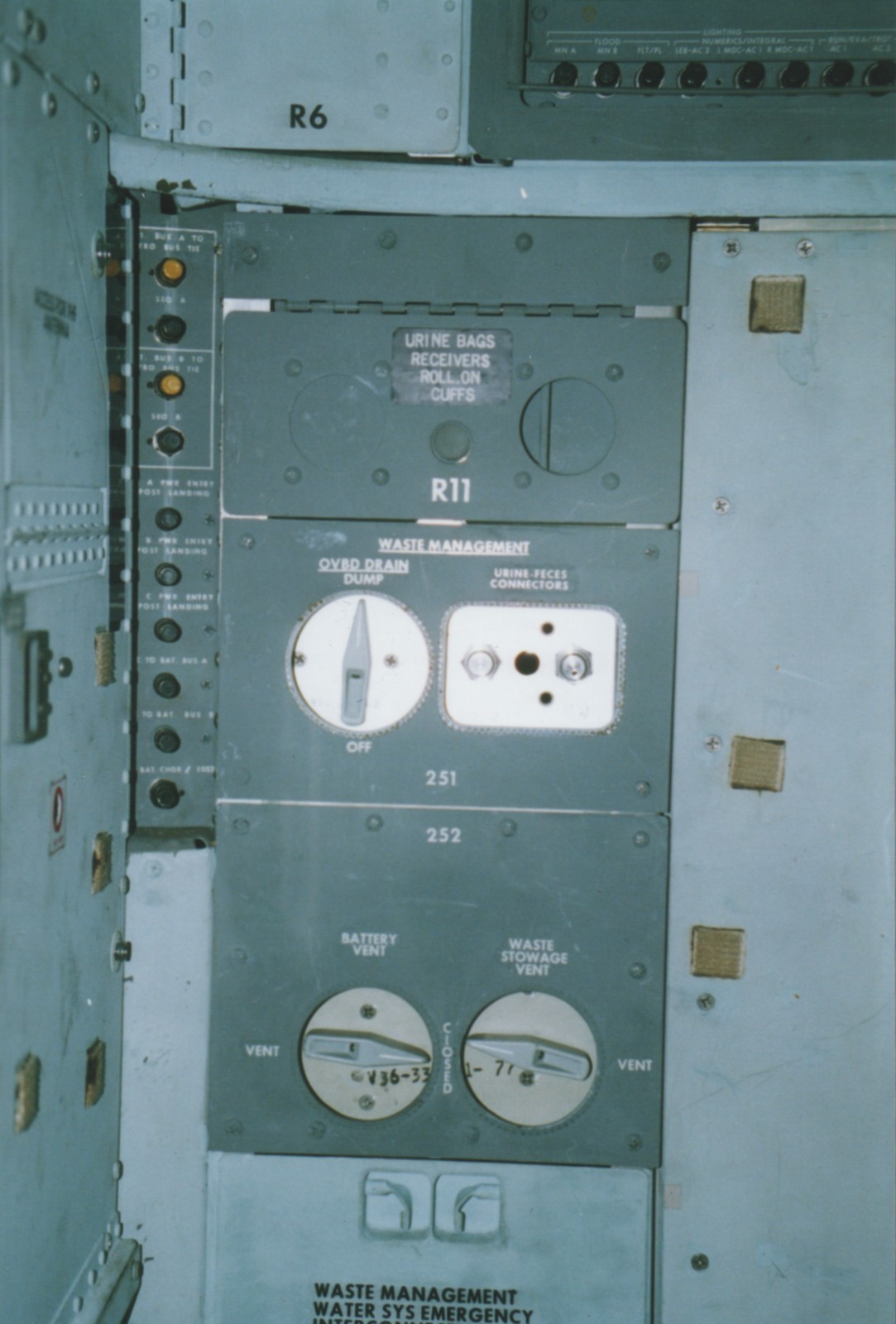
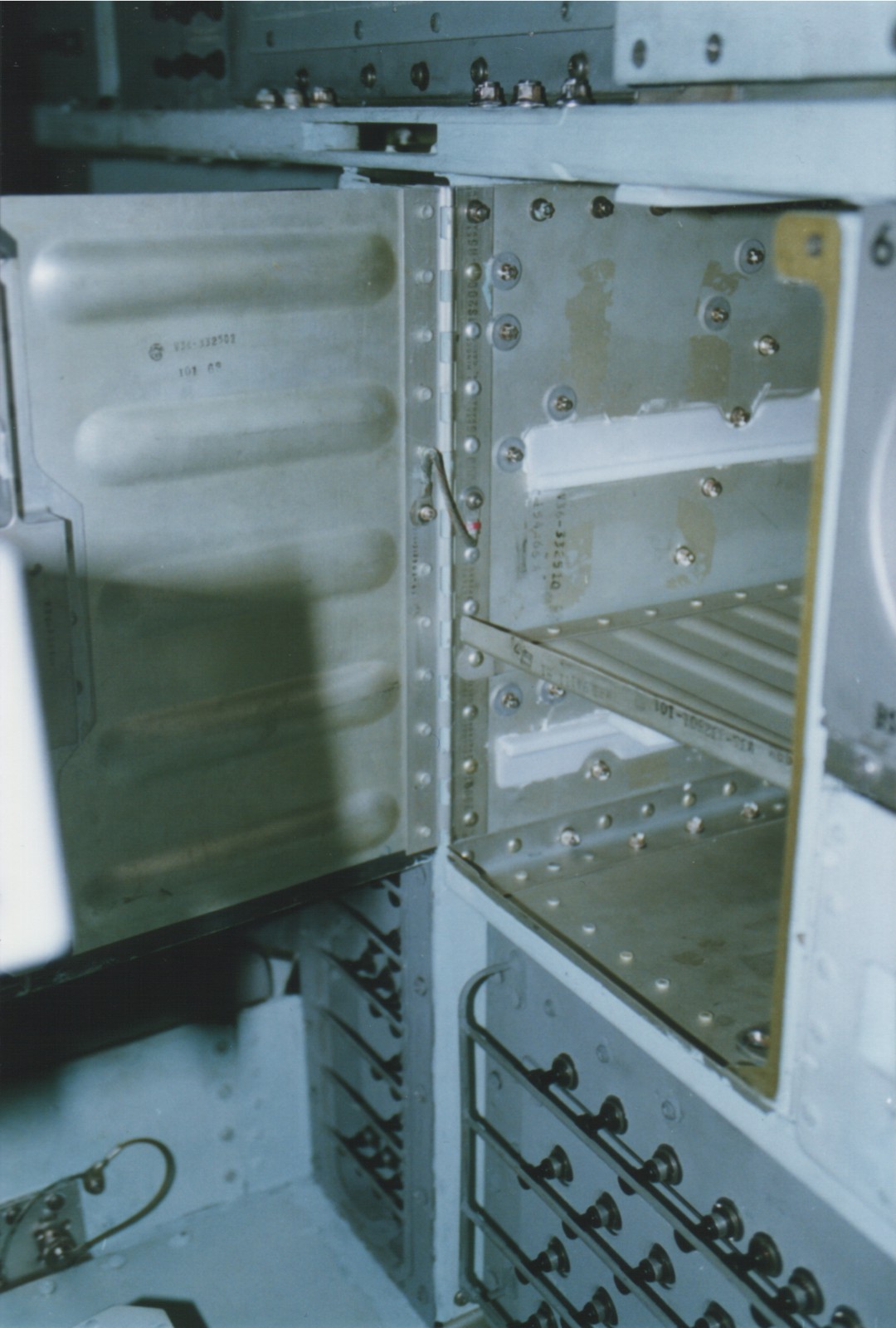
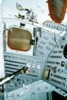
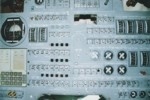
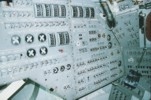
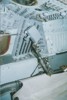
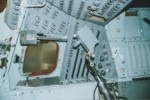
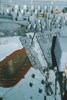
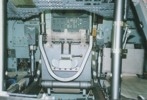
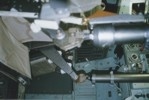
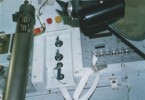
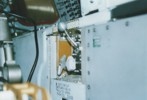
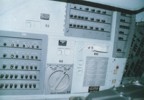
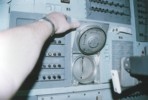
High resolution photos of the Apollo 9 space capsule interior. Stewart Bailey took these photos at the Michigan Space and Science Center during the late 1990s. The Apollo 9 is now on display at The San Diego Aerospace Museum. (Photos: Stewart Bailey)
Apollo 9 Main Control Panel
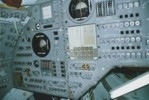
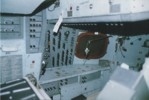
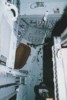
Apollo 9 Navigation Panel
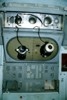
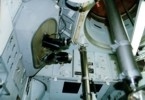
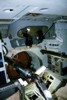
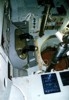
Apollo 9 Tunnel Area
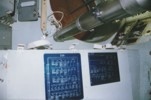
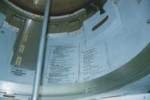
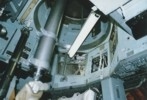
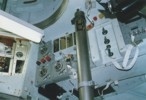
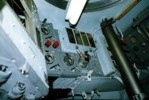
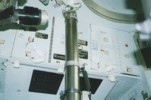
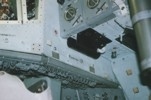
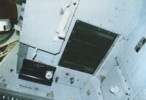
Apollo 9 Aft Equipment Bay
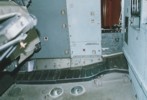
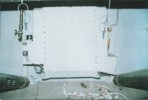
Apollo 9 Miscellaneous
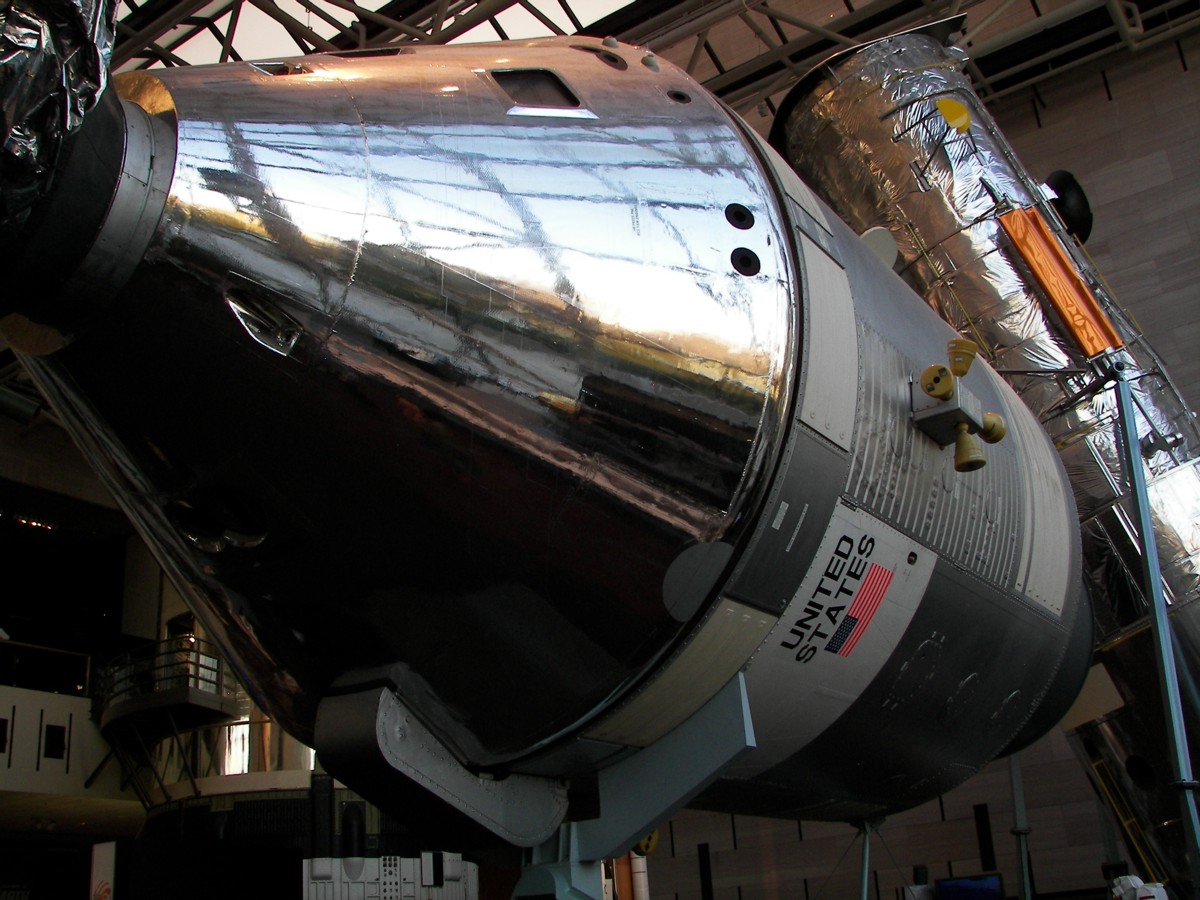
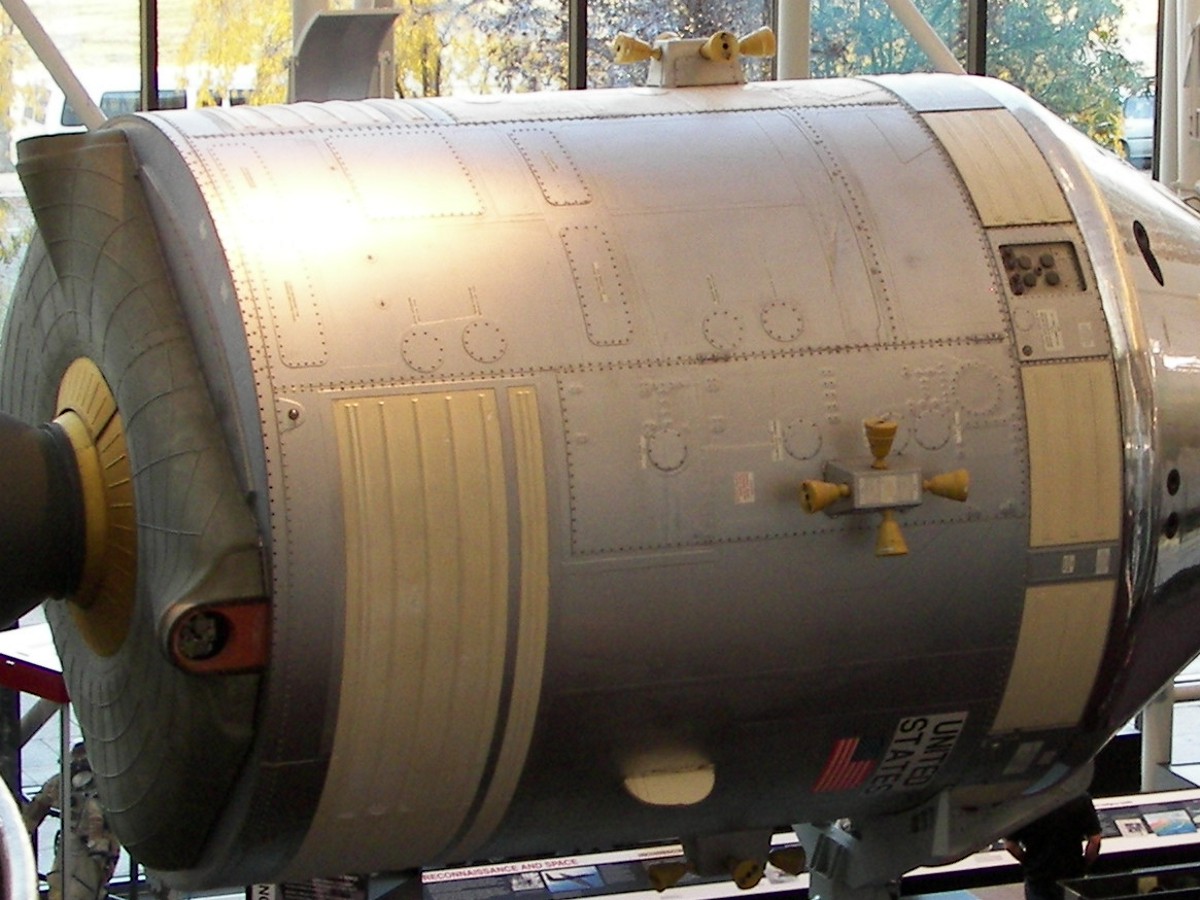
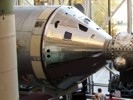
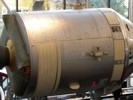
Apollo CSM (CSM-105)
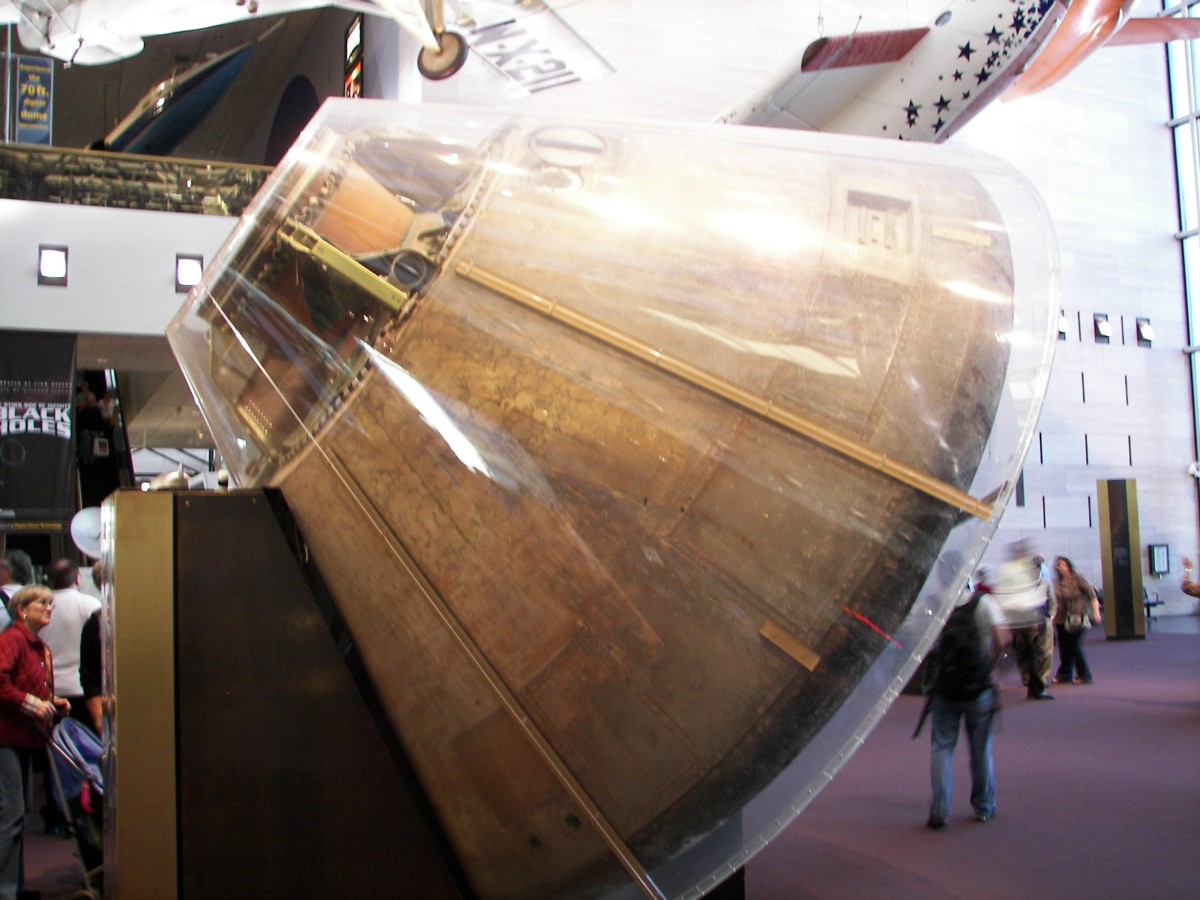
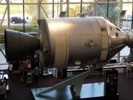
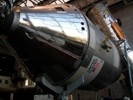
Command and Service Module (CSM-105) was originally used for acoustic and vibration testing. The spacecraft is now part of the Apollo-Soyuz (ASTP) display at the National Air and Space Museum. (Photos: Richard Kruse, 2008)
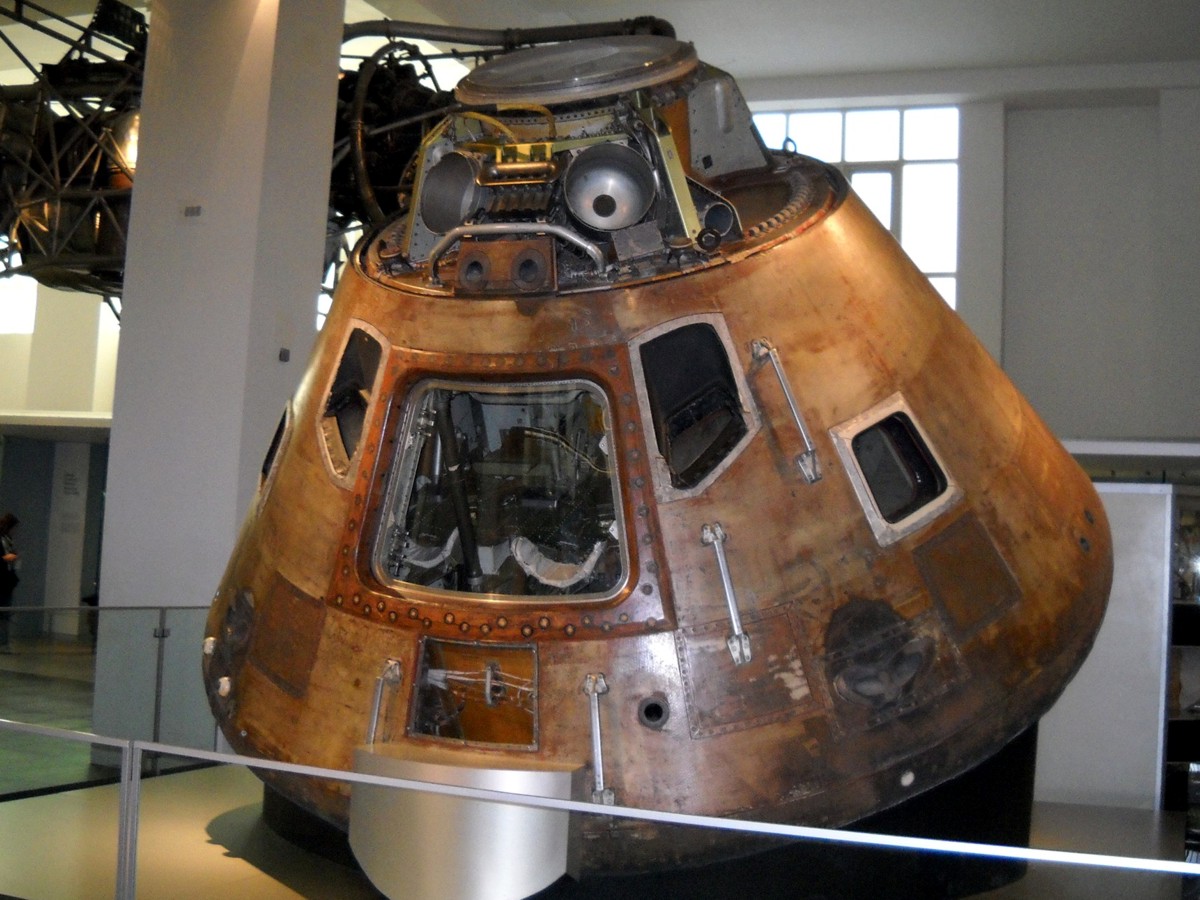
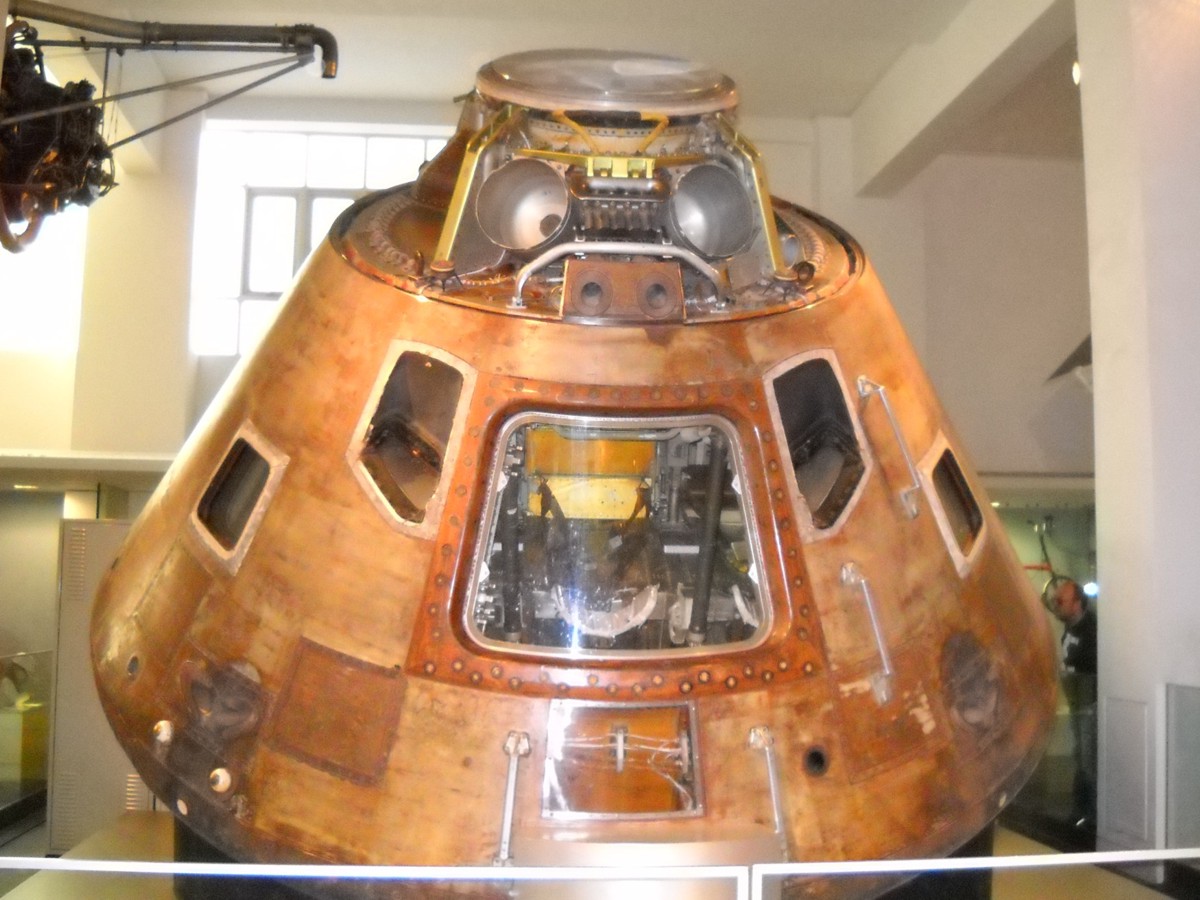
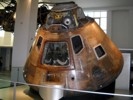
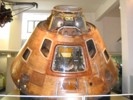
Apollo 10 (CM-106)
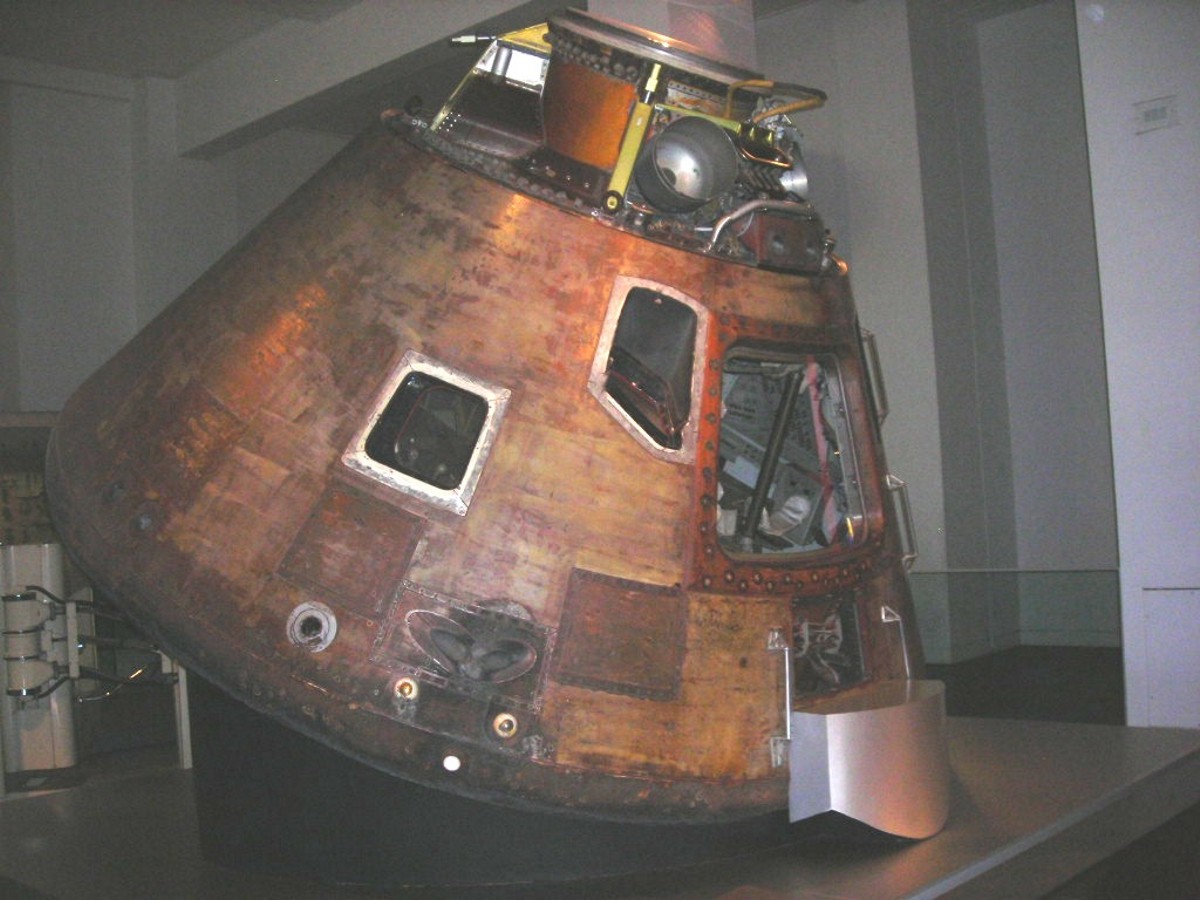
Apollo 10 Command Module on display at the London Science Museum. (Photos: Richard and Sharron Kruse, 2009)
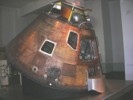
Apollo 11 (CM-107)
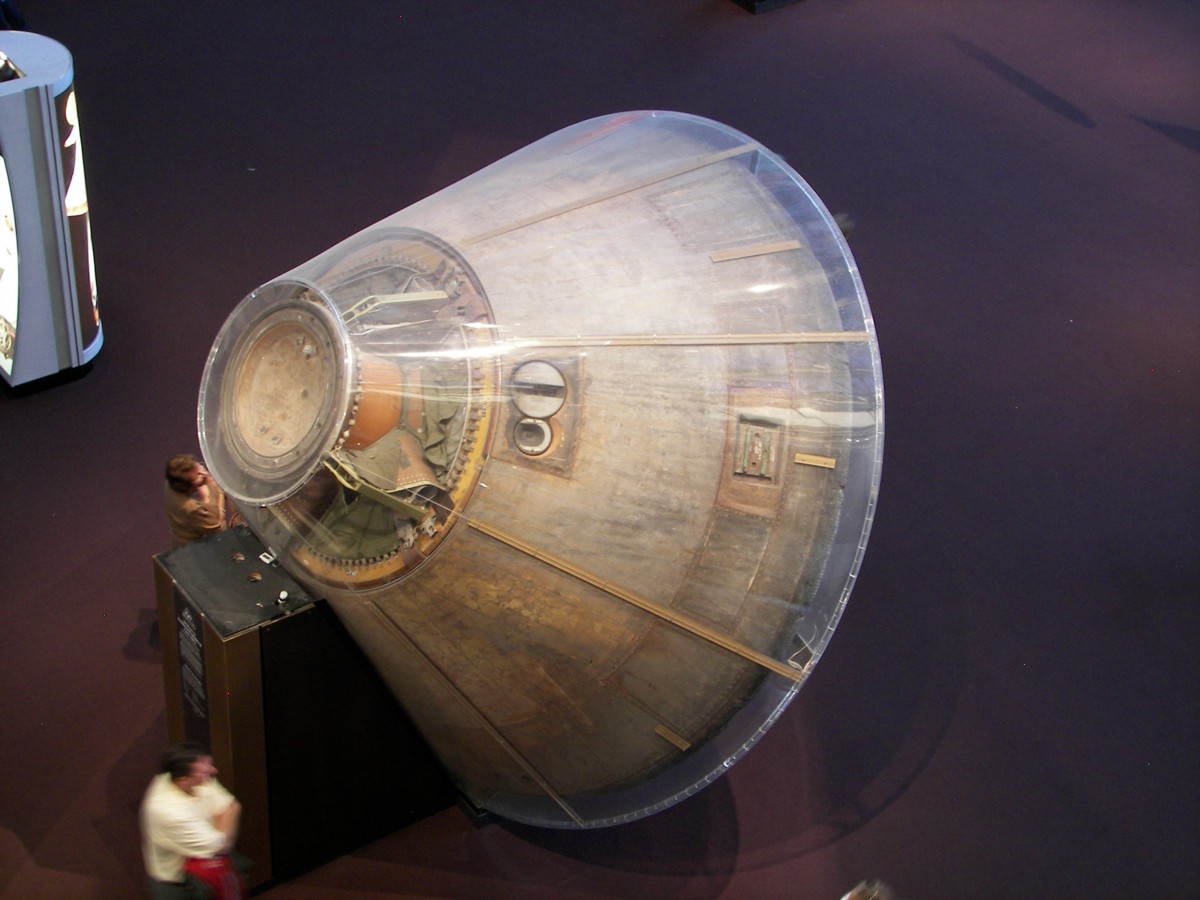
Apollo 11 Command Module on display at the National Air and Space Museum. (Photos: Richard Kruse, 2008)
(NOTE: While the National Air and Space Museum is undergoing renovation, the Apollo 11 Command Module is being temporarily displayed at the museum’s Steven F. Udvar-Hazy Center in Chantilly, Virginia.
The spacecraft will return to the National Air and Space Museum, on the mall, in 2022.)
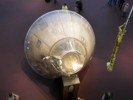
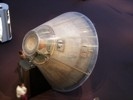
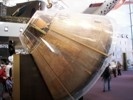
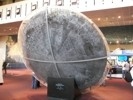
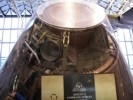
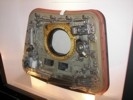
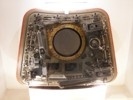
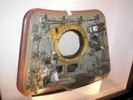
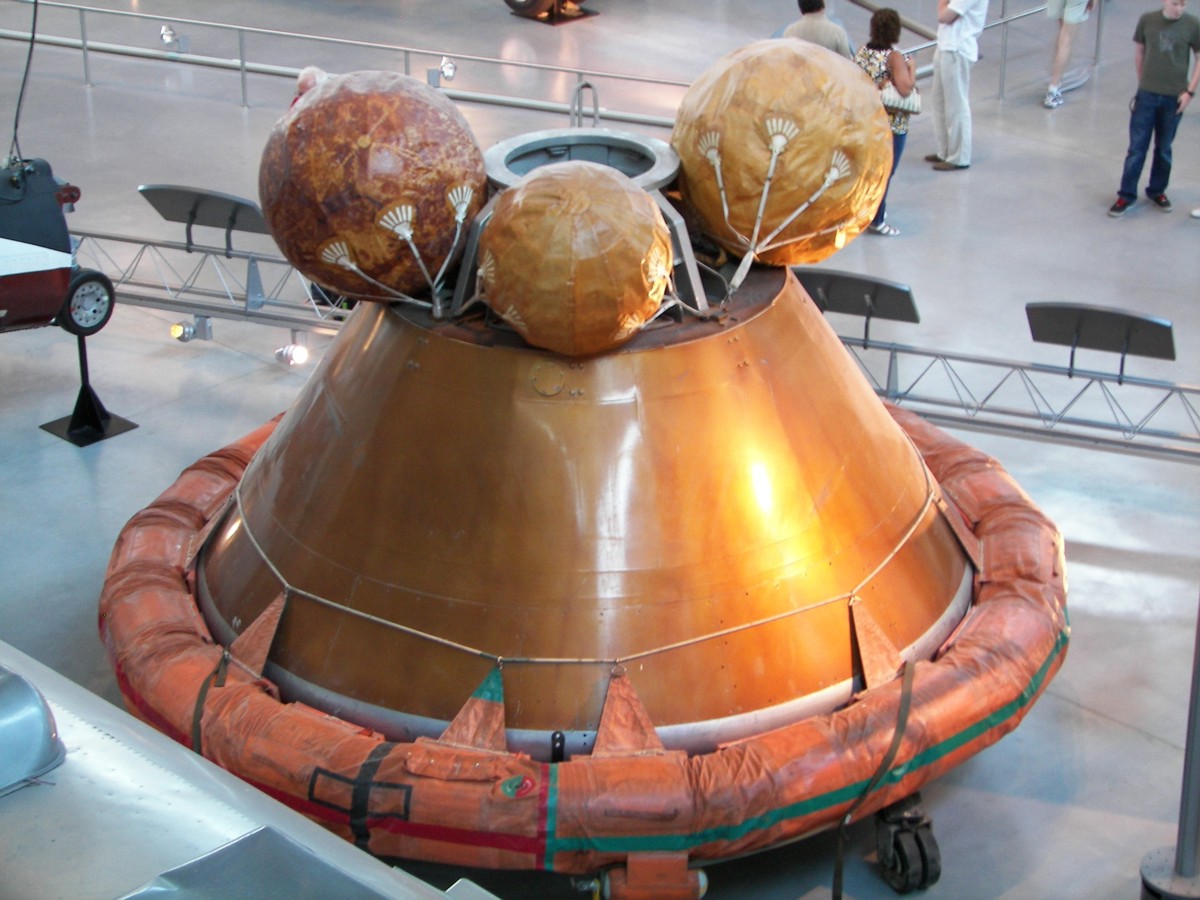
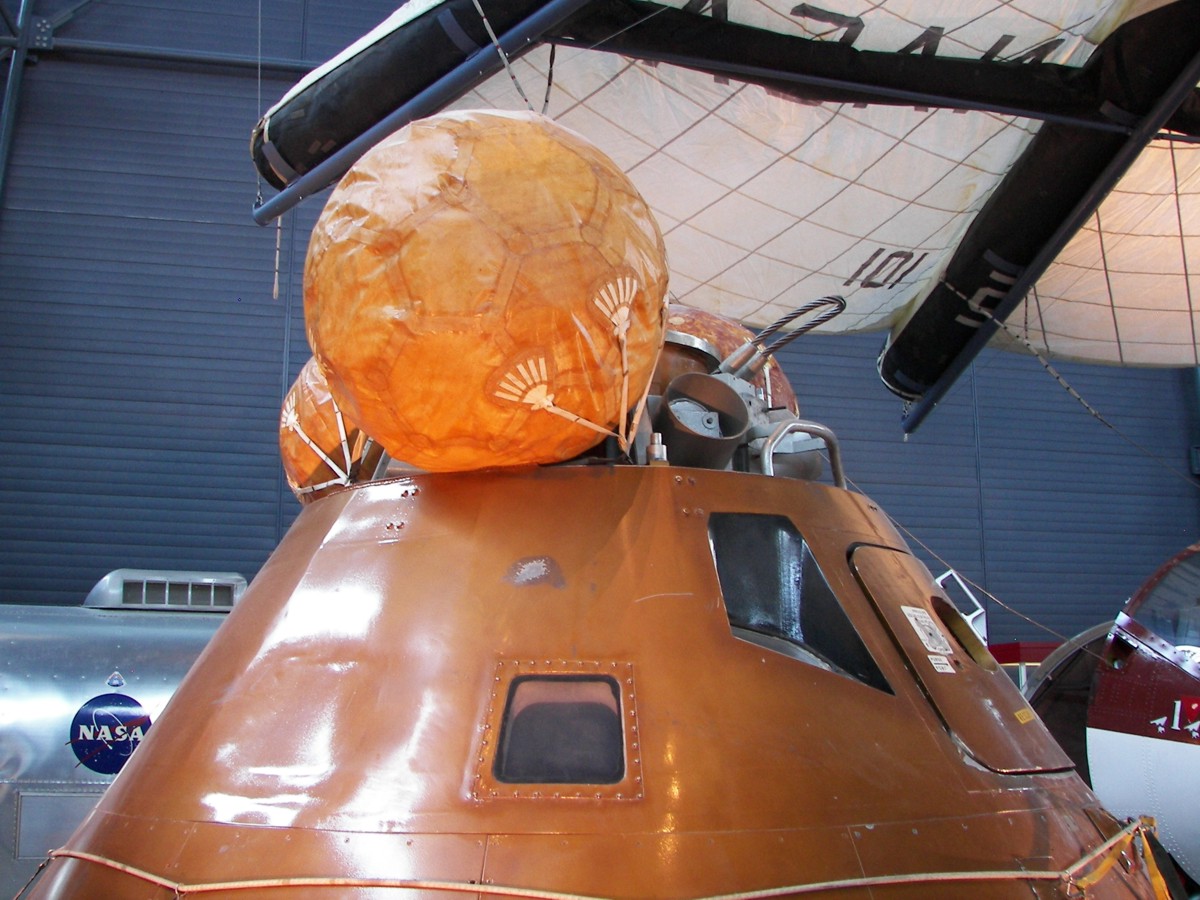
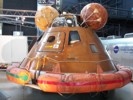
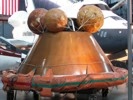
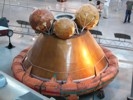
Apollo 11 flotation bags, displayed attached to an Apollo training capsule, on display at the Udvar-Hazy center. (Photos: Richard Kruse, 2009)
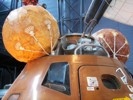
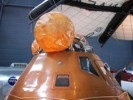
Apollo 12 (CM-108)
Apollo 12 Command Module, Yankee Clipper, on display at the Virginia Air and Space Center. (Photos: John Karpiej, 2005)
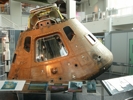
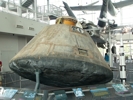
Apollo 13 (CM-109)
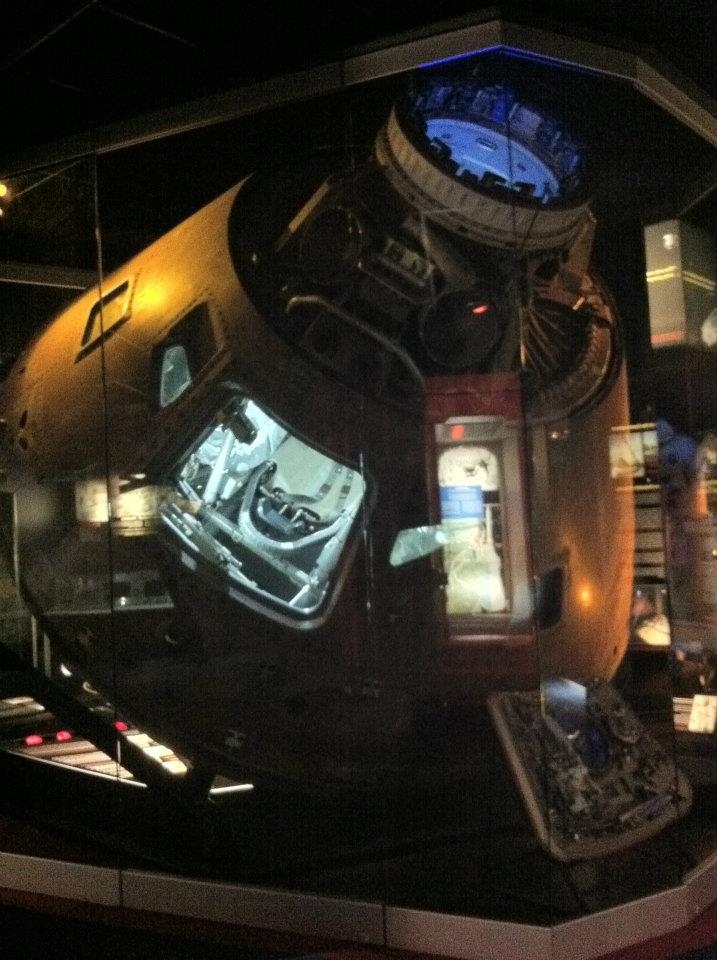
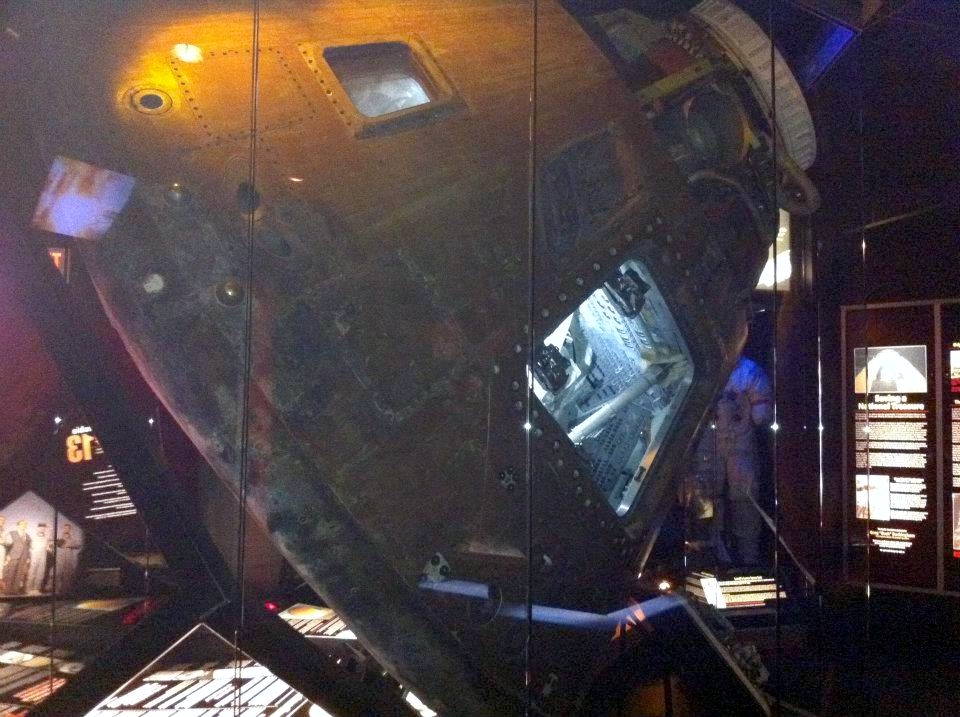
Apollo 13 Command Module, Odyssey, on display at the Kansas Cosmosphere and Space Center. (Photos: Andrew Masterman, 2011)
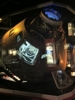
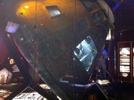
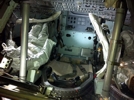
Apollo 14 (CM-110)
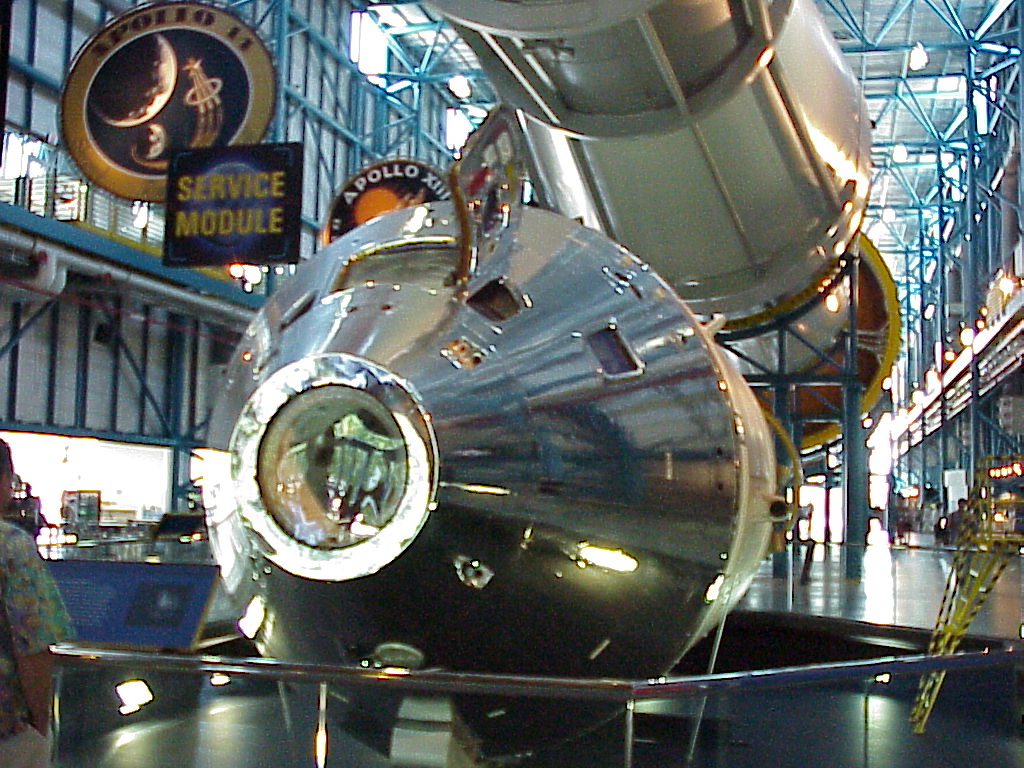
Apollo 14 Command Module, Kitty Hawk, on display at the Apollo Saturn 5 Center at Kennedy Space Center. (Photos: Jim Banke, 2012)
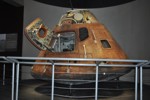
Apollo 15 (CM-112)
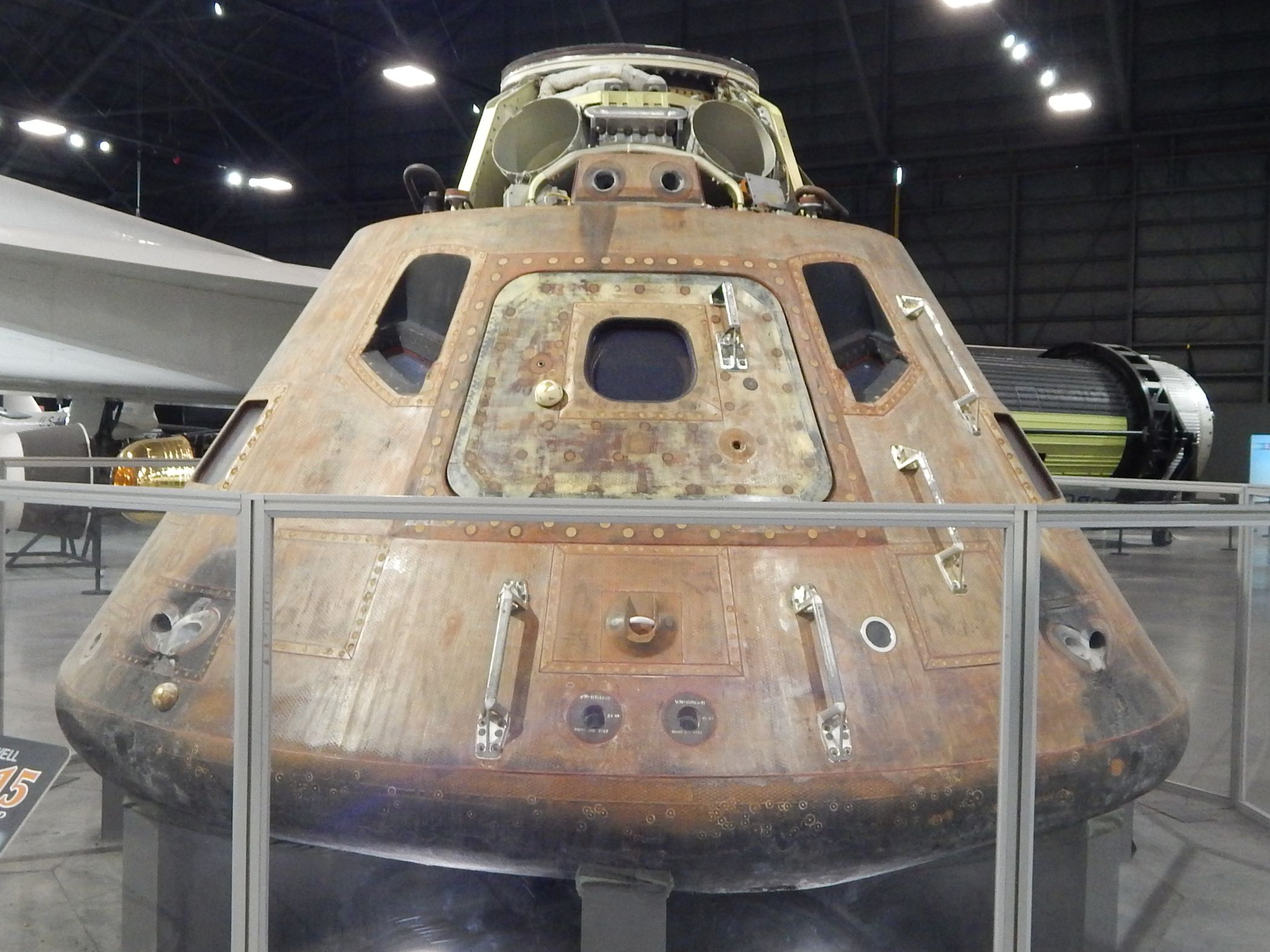
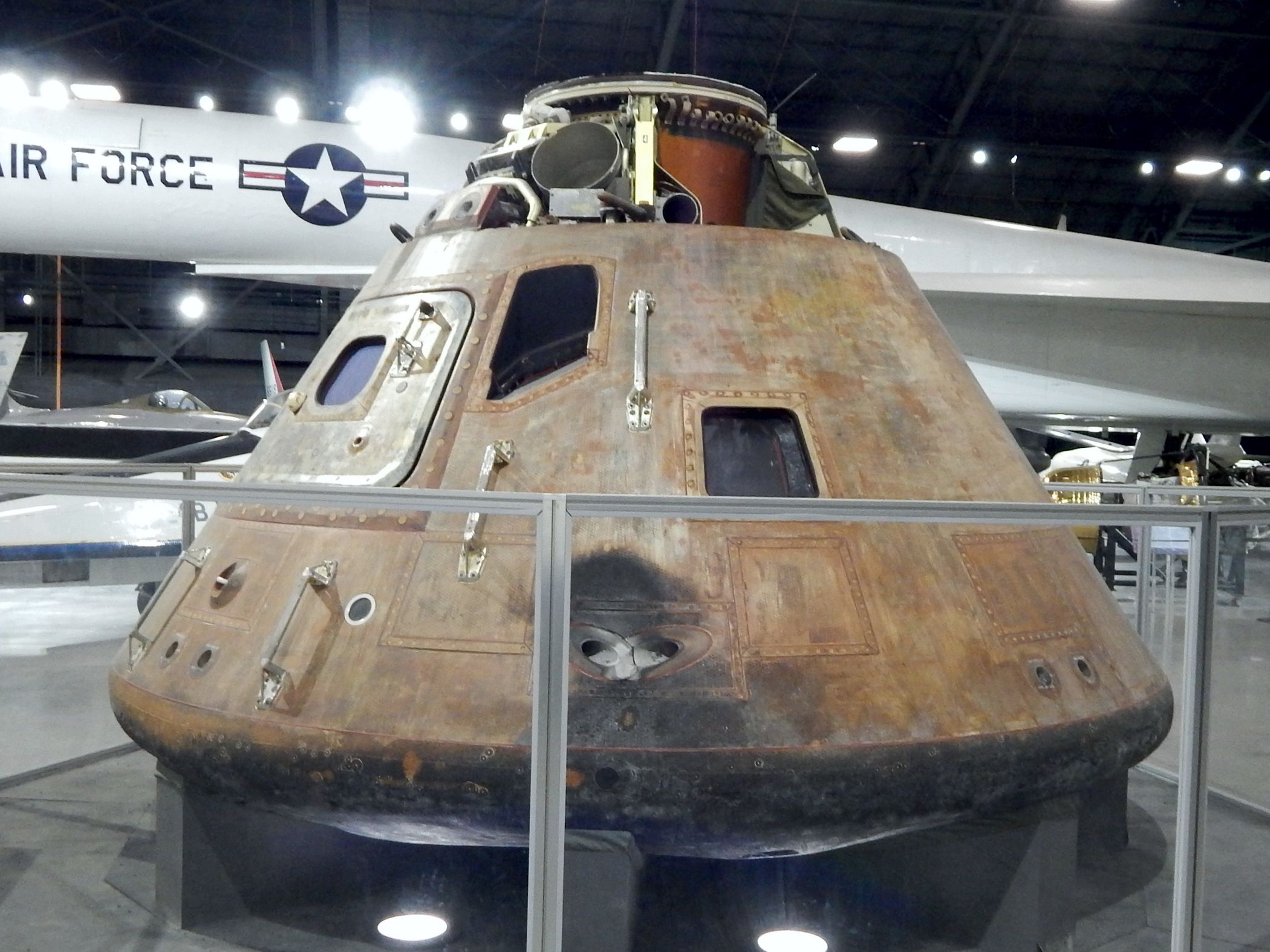
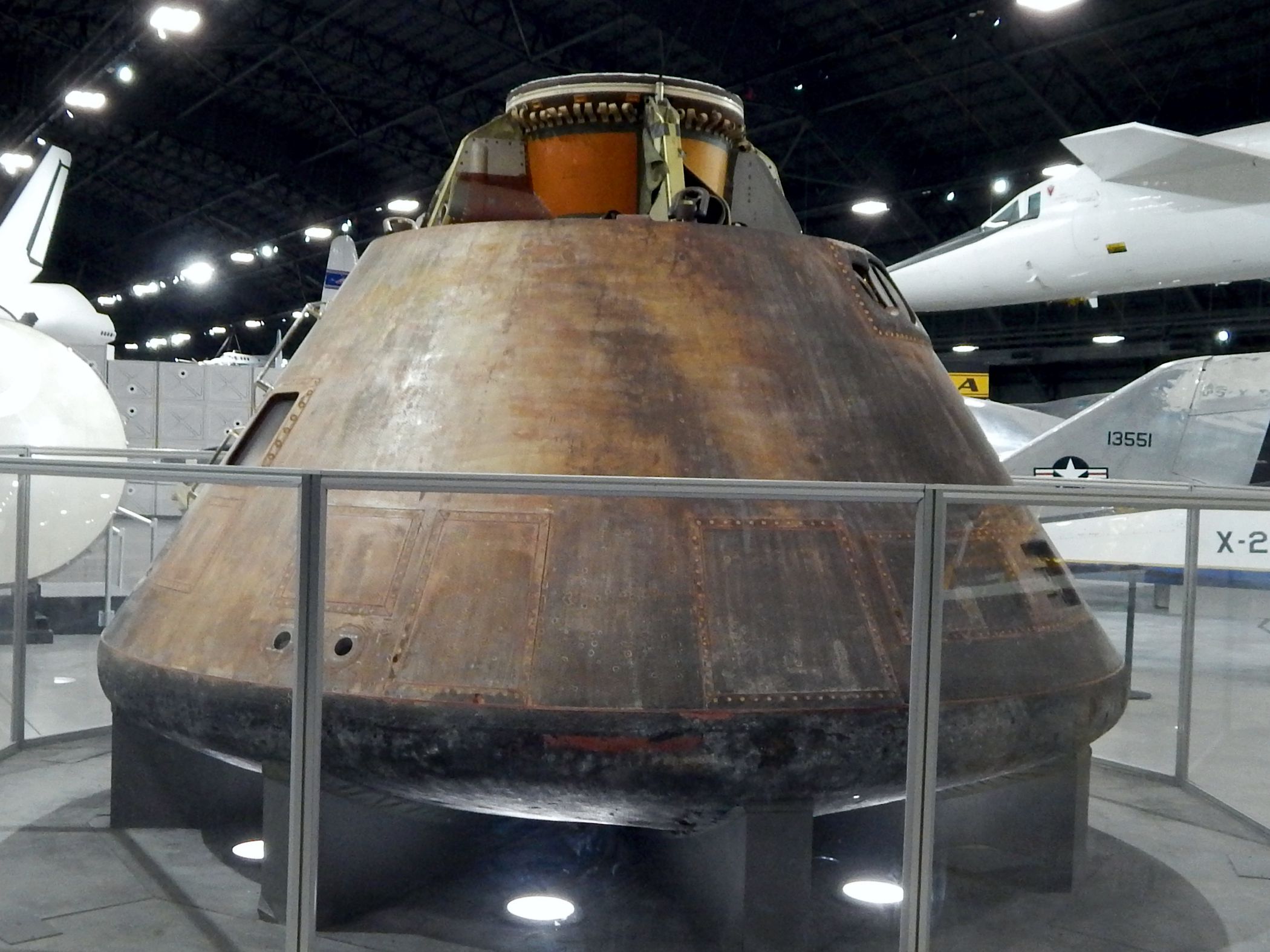
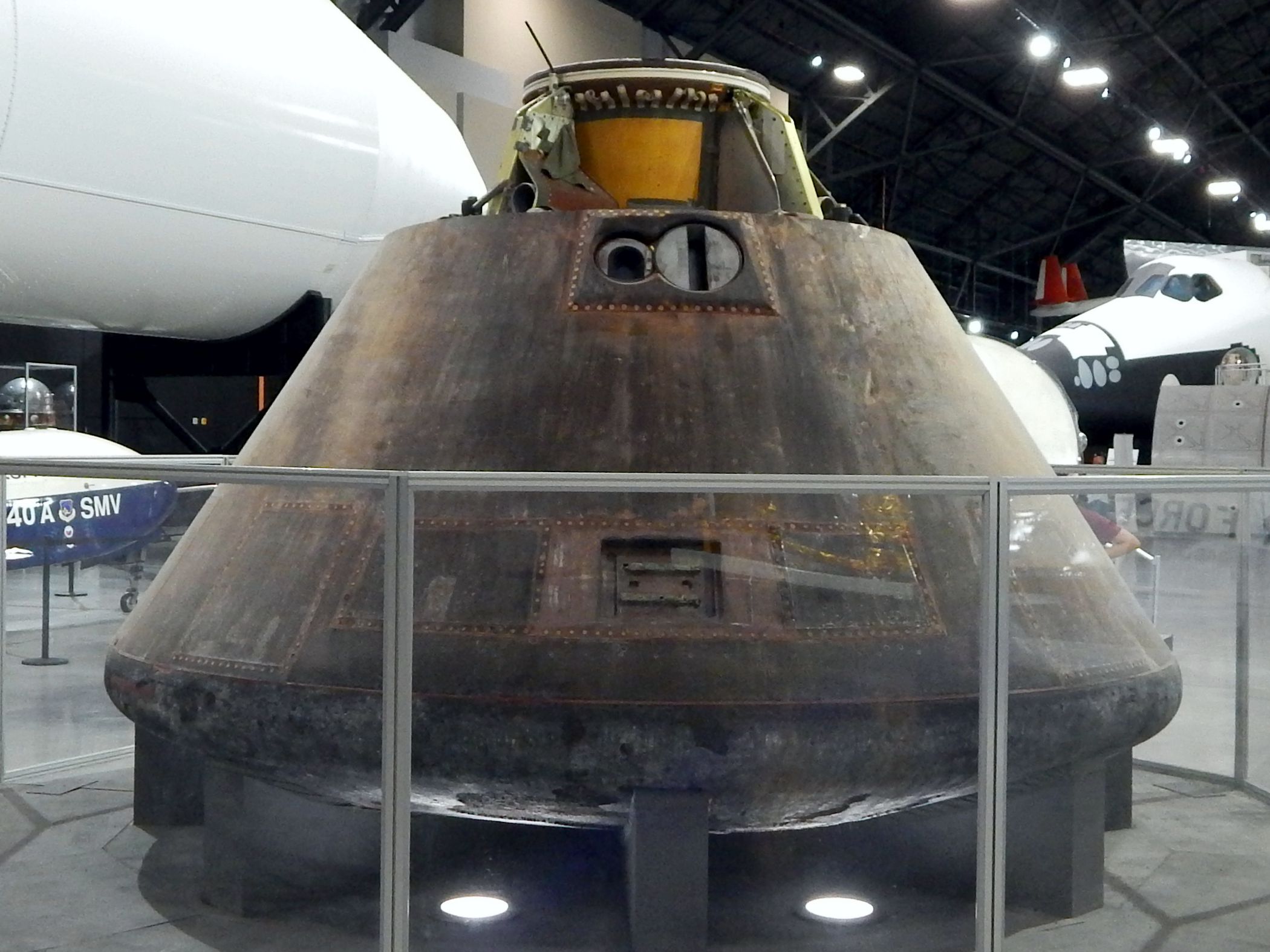
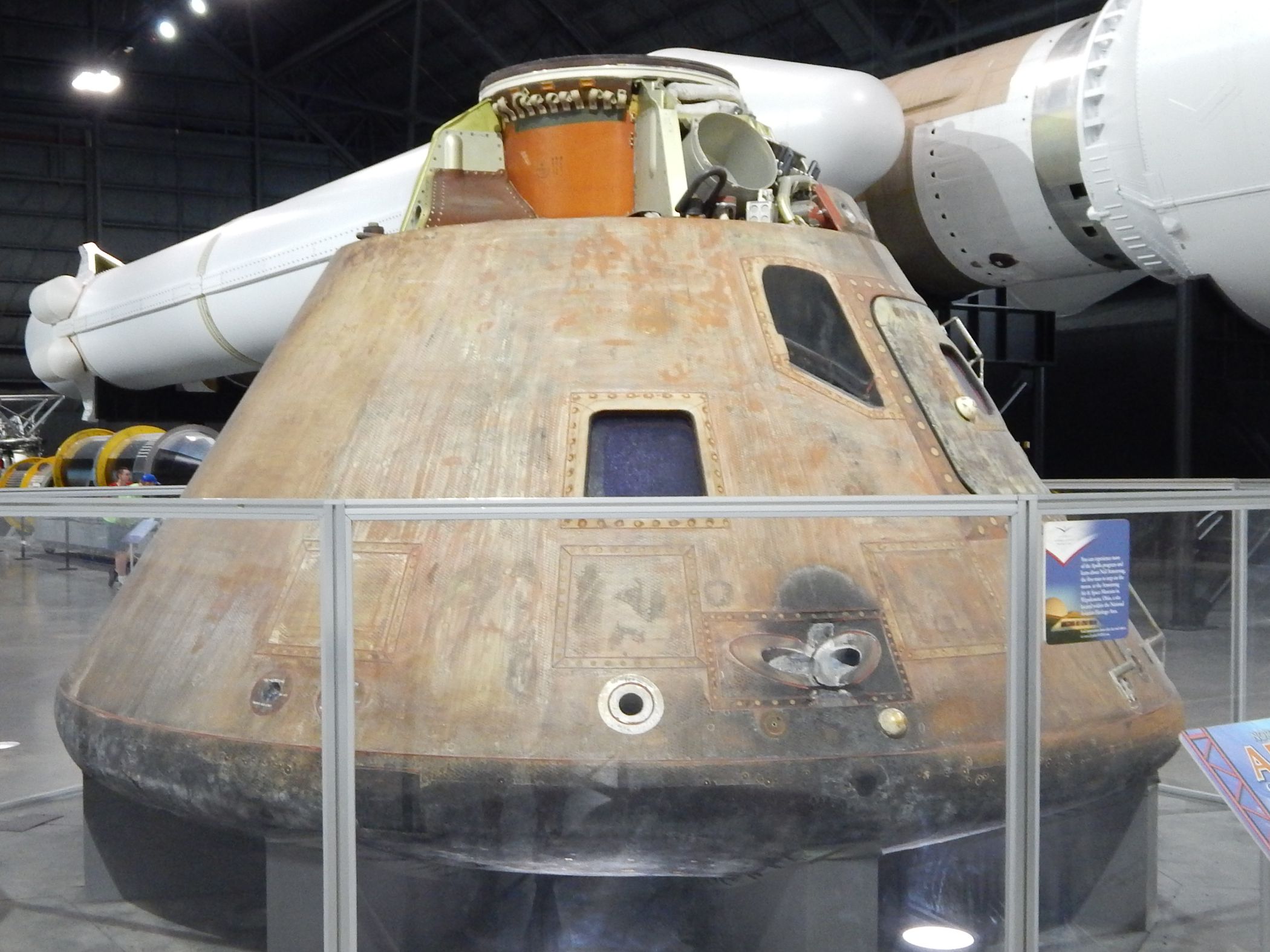
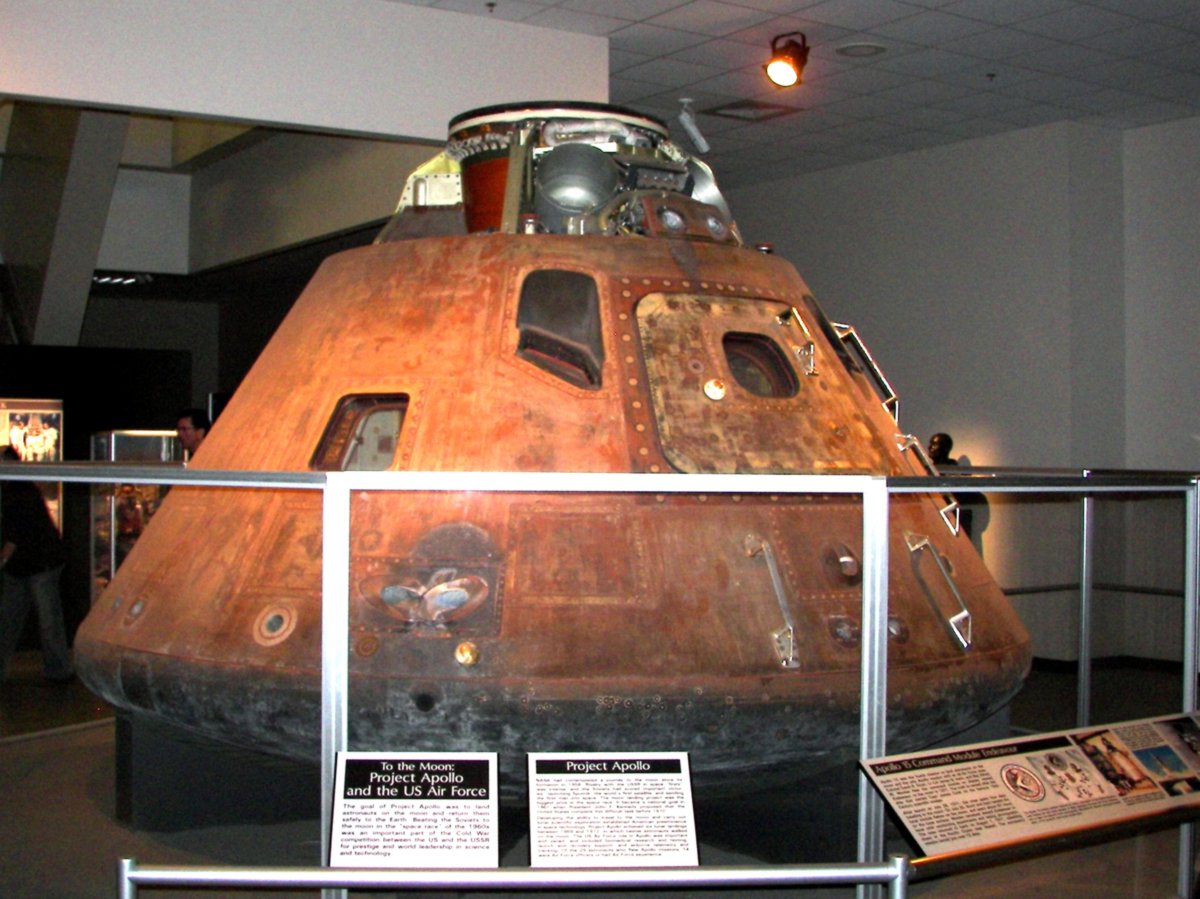
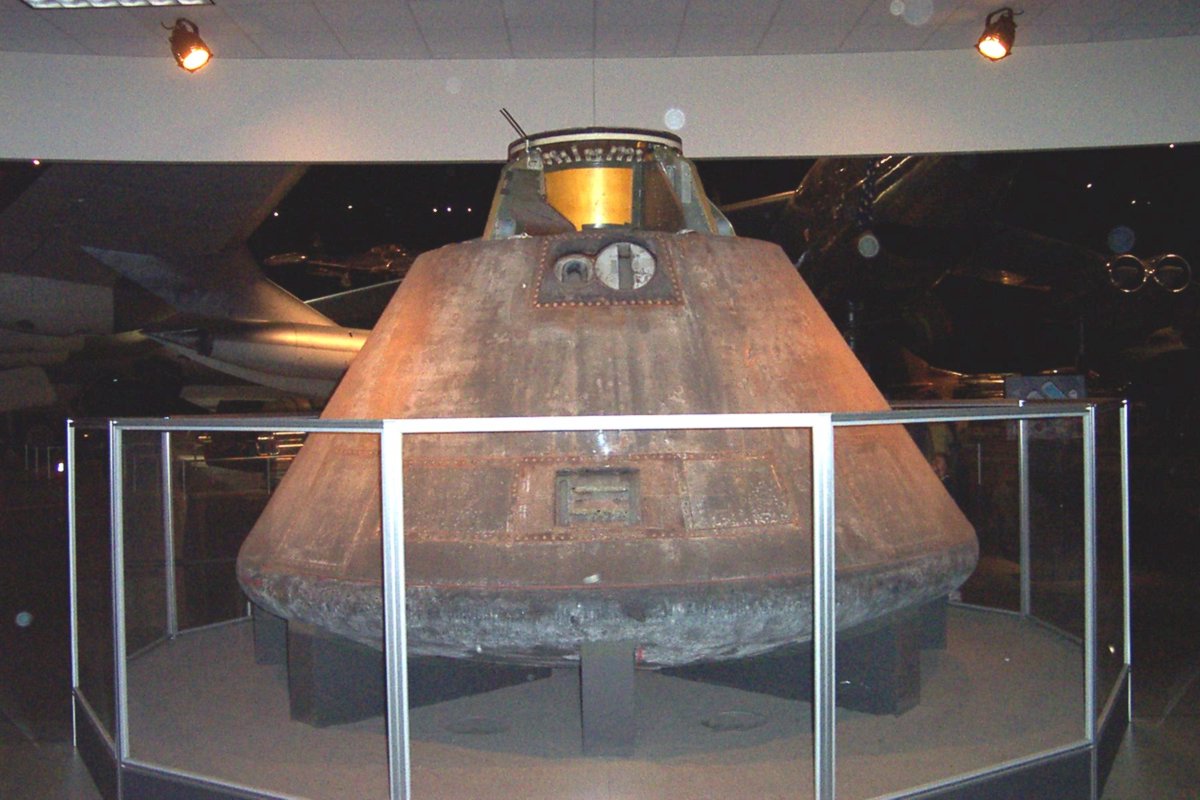
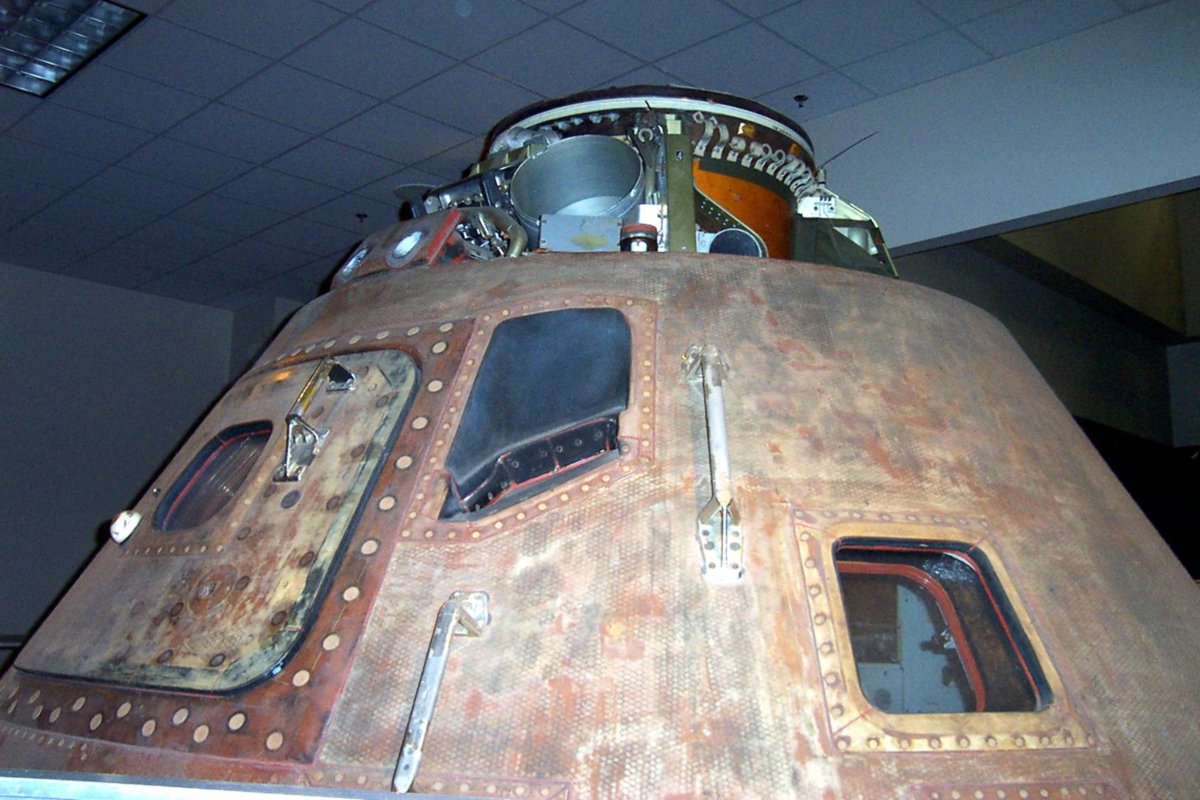
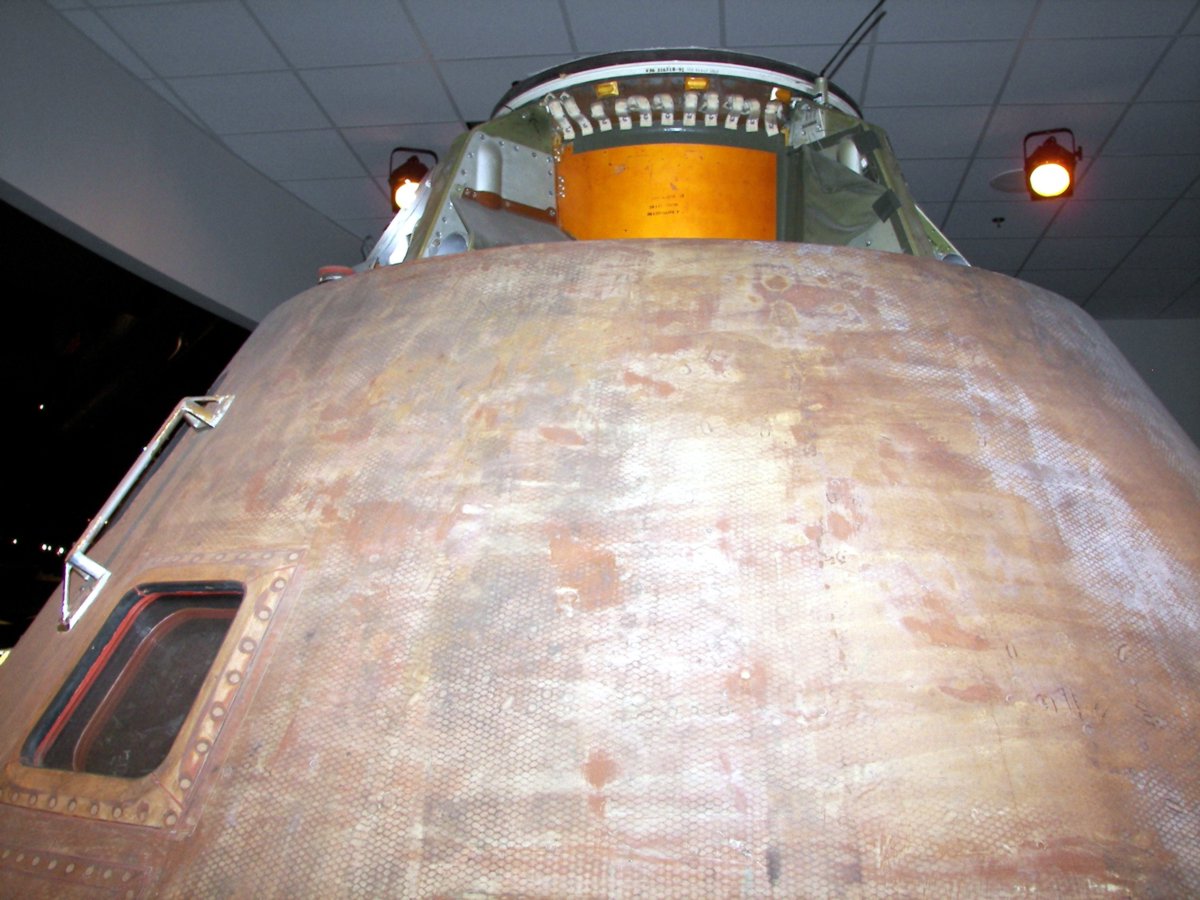
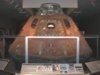
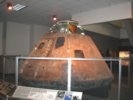
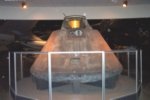
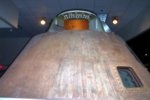
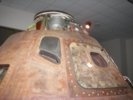
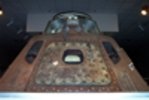
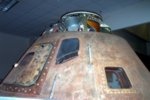
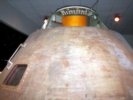
Apollo 15 Command Module on display in the National Museum of the US Air Force. (Photos: Richard Kruse, 2018)
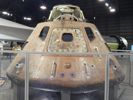
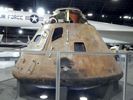
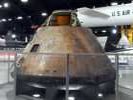
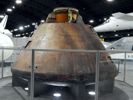
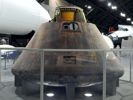
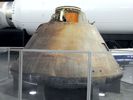
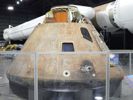
Some older photos of the spacecraft. (Photos: Richard Kruse, 2008)
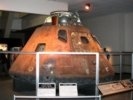
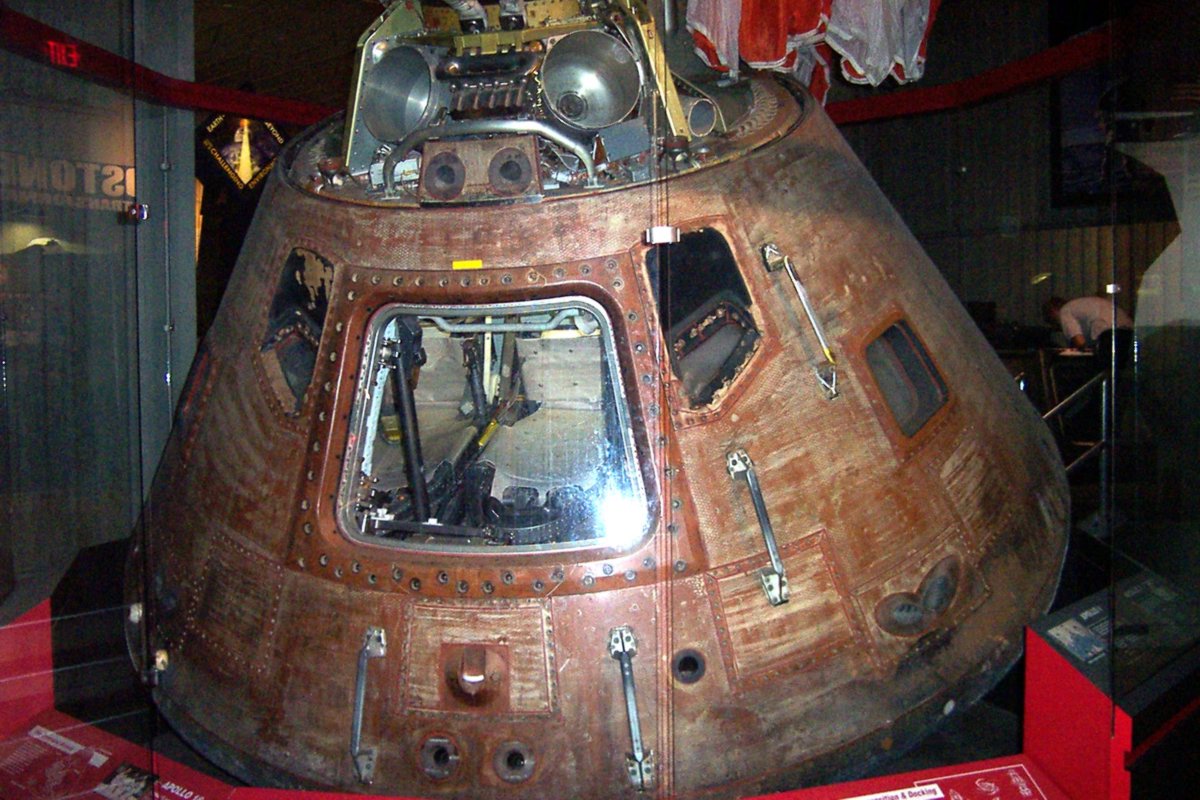
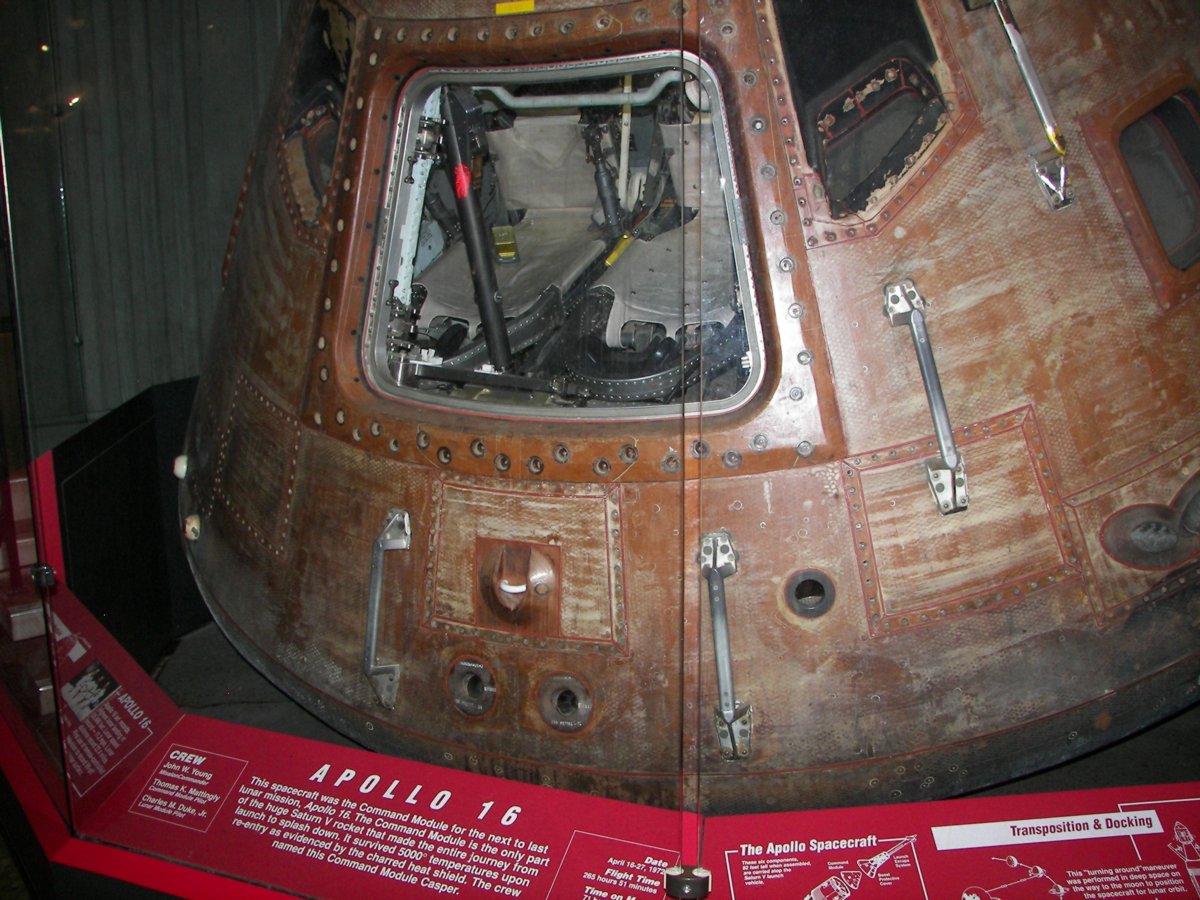
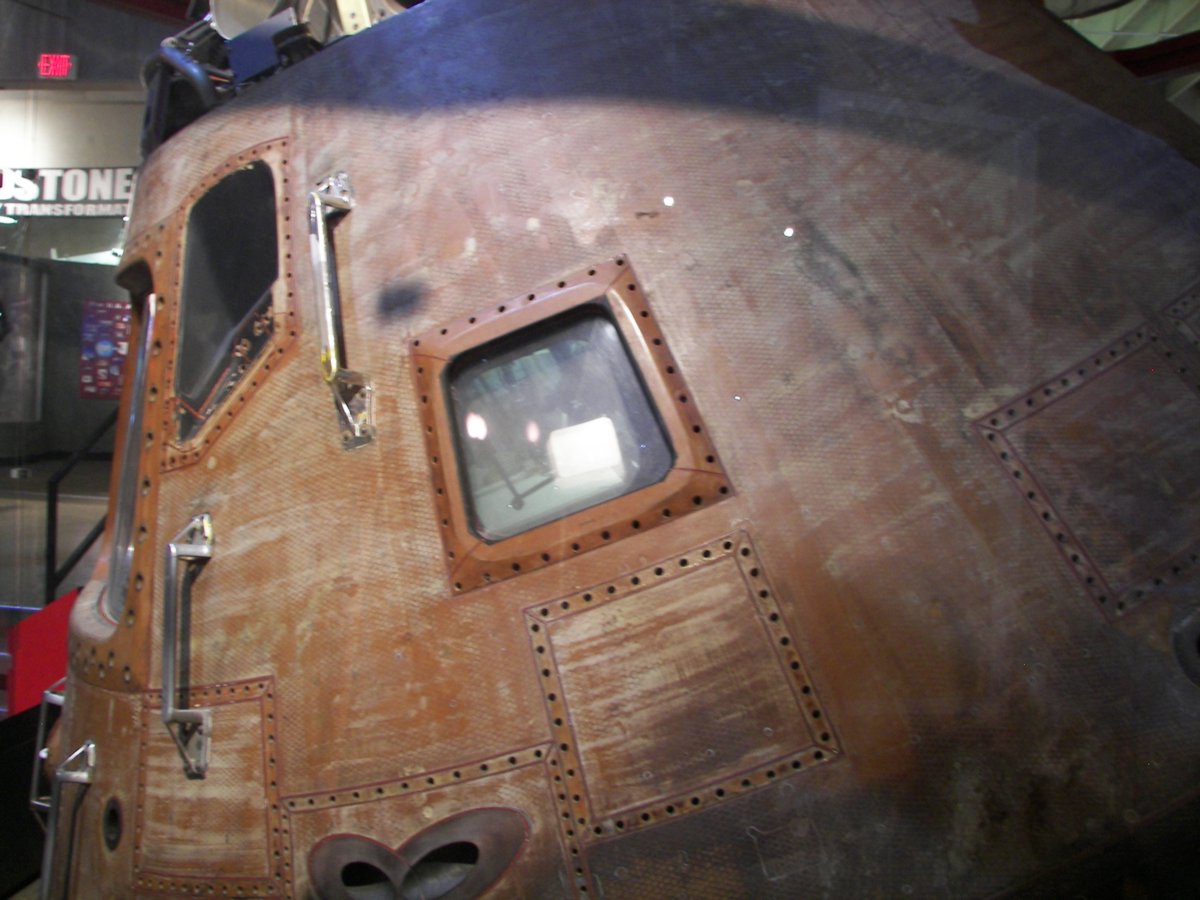
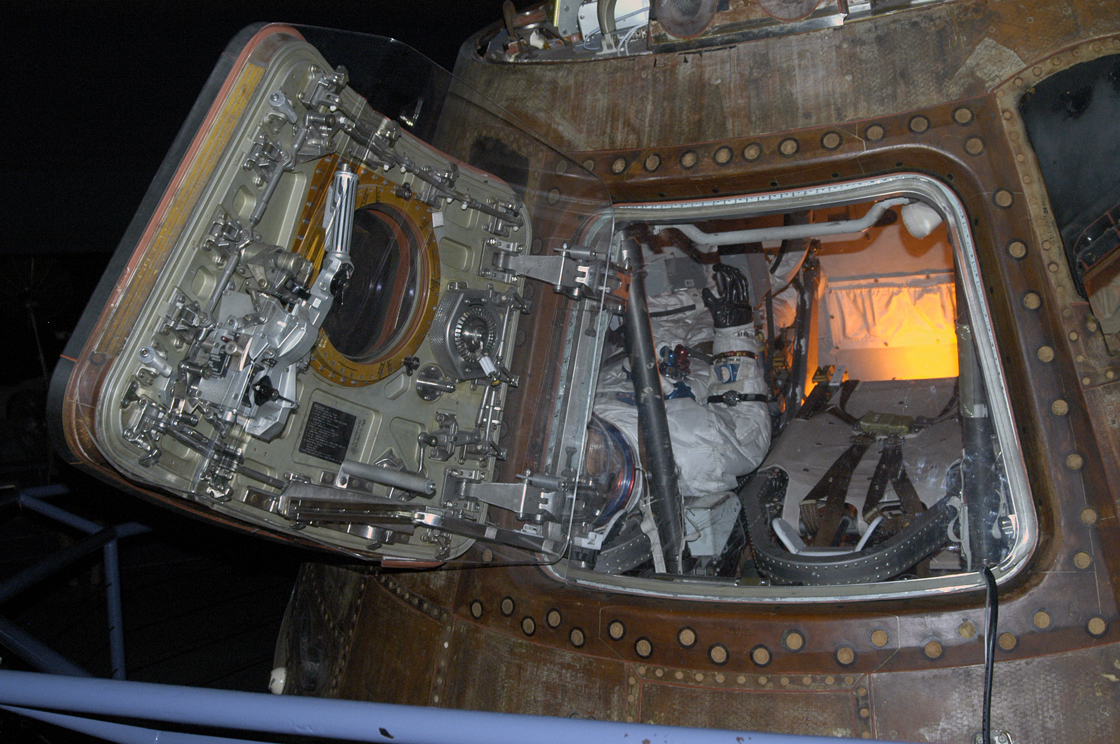
Apollo 16 (CM-113)
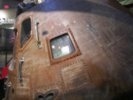
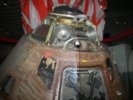
Apollo 16 Command Module on display at the United States Space and Rocket Center. (Photos: Richard Kruse, 2008)
Apollo 17 (CM-114)
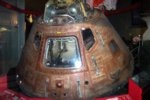
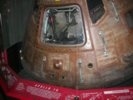
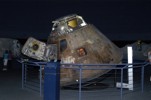
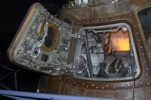
Apollo 17 Command Module on display at Space Center Houston. (Photos: Kevin Barrett, 2009)
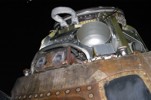
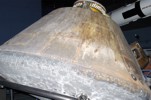
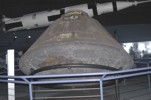
Skylab 2 (CM-116)
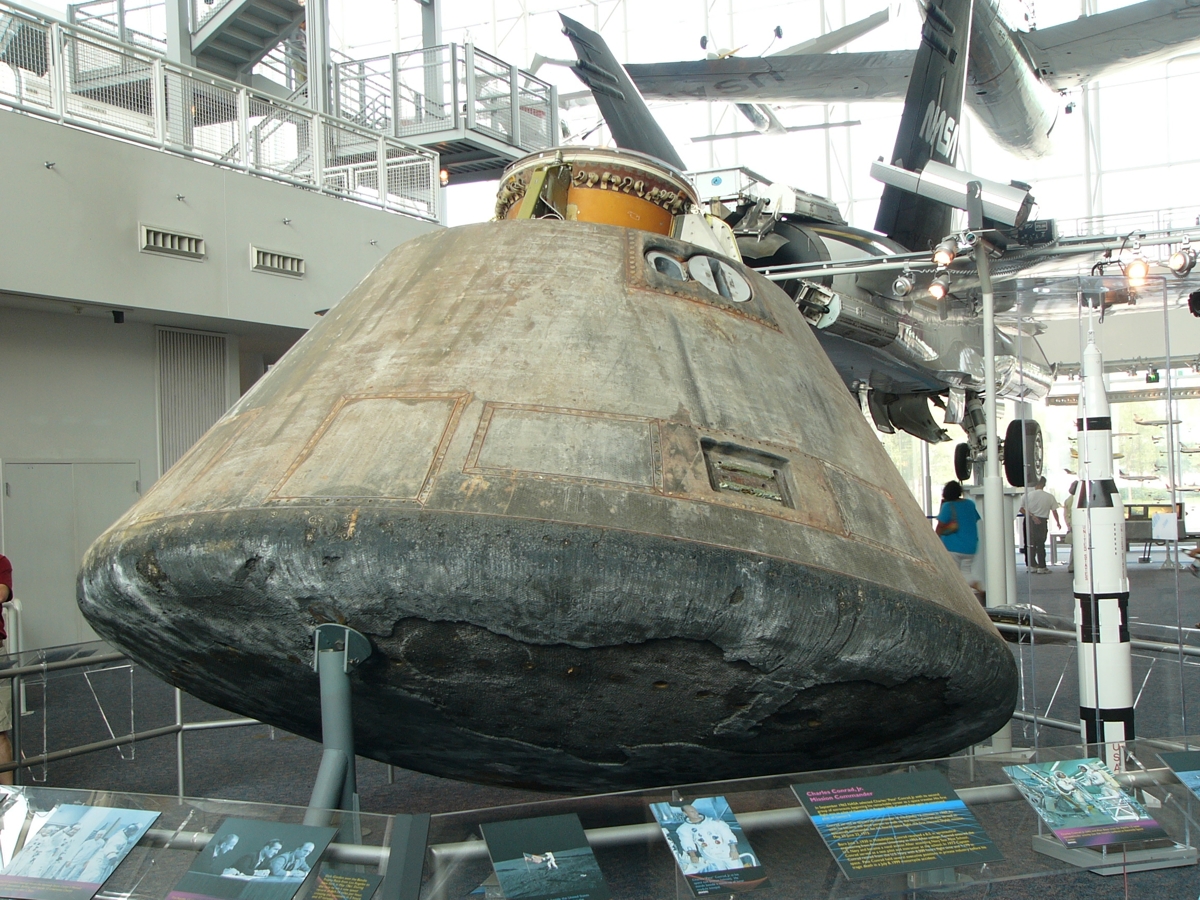
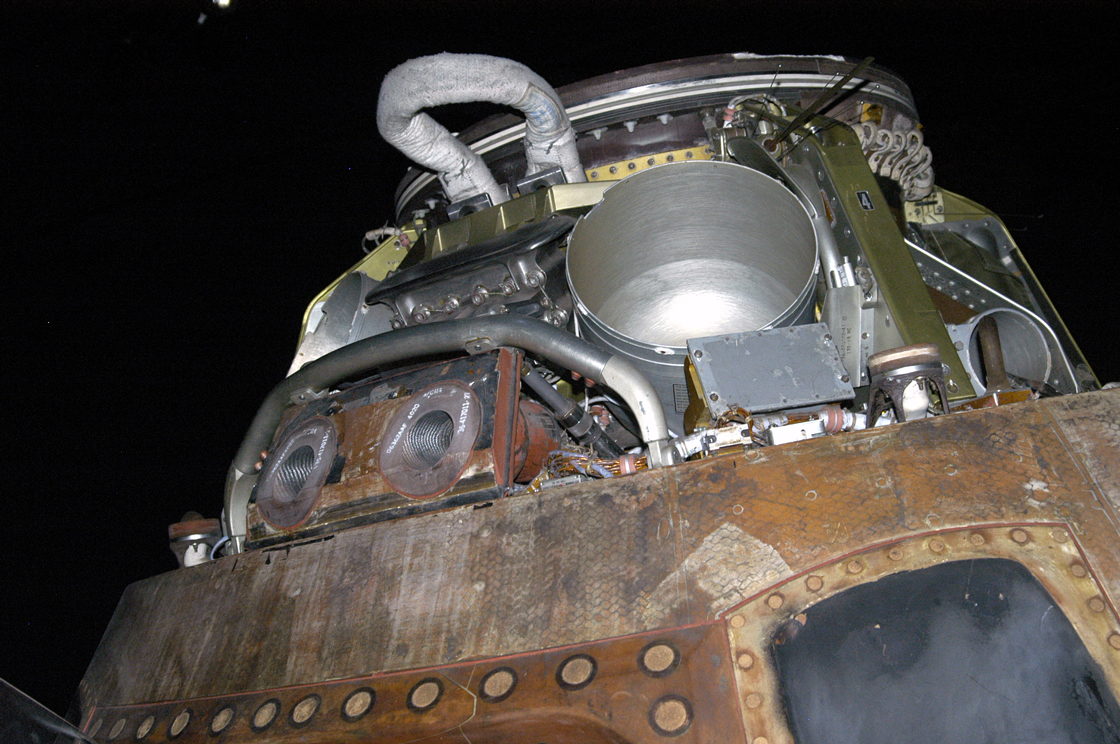
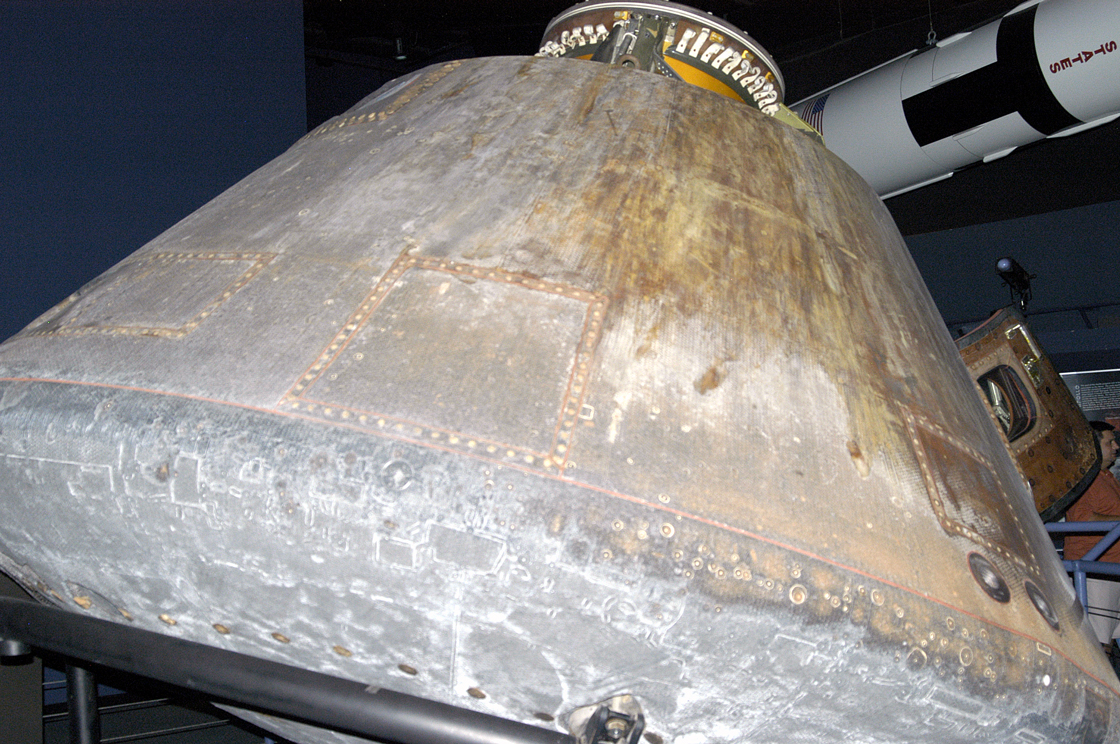
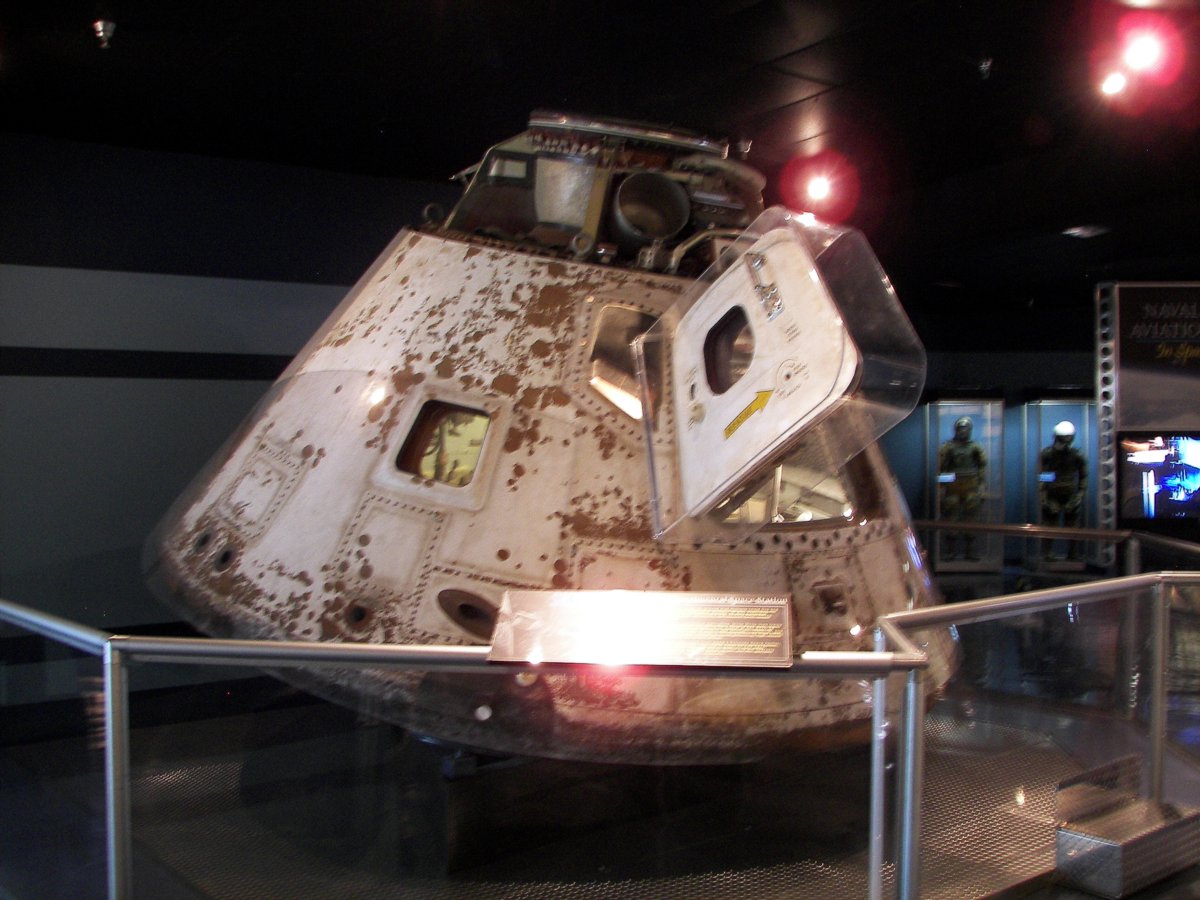
Skylab 2 Command Module on display at the National Museum of Naval Aviation. Launched on 25May1973, astronauts Charles Conrad (Commander), Paul Weitz (Pilot) and Joseph Kerwin (Science Pilot) spent 28 days in space. (Photos: Richard Kruse, 2007)
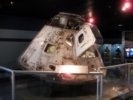
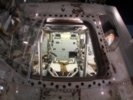
Skylab 3 (CM-117)
The Skylab 3 Command Module is on display at the Great Lakes Science Center in Cleveland, Ohio. Launched on 28Jul1973, astronauts Alan Bean (Commander), Jack Lousma (Pilot) and Owen Garriott (Science Pilot) spent 59 days in space.
No photos yet.
Skylab 4 (CM-118)
Skylab 4 Command Module on display at the National Air and Space Museum. Launched on 16Nov1973, astronauts Gerald Carr (Commander), William Pogue (Pilot) and Edward Gibson (Science Pilot) spent 84 days in space. (Photos: Richard Kruse, 2008)
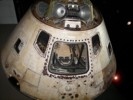
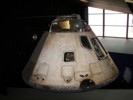
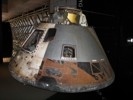
Apollo-Soyuz Test Project (CM-111)
Launched in 1975, astronauts Thomas Stafford (Commander), Vance Brand (Command Module Pilot) and Donald Slayton (Docking Module Pilot) docked with the Russian Soyuz 19 spacecraft.
Apollo-Soyuz Test Project Command Module on display at the California Science Museum. (Photo: Andrew Masterman)
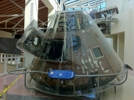
Apollo CSM-119
Apollo Command and Service Module on display in the Saturn 5 Center at Kennedy Space Center.
CSM-119 served as the Skylab rescue vehicle and ASTP backup.
(Photos: Kevin Reynolds, 2000)
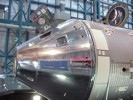
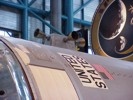
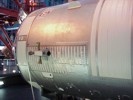
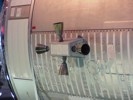
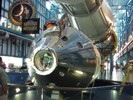
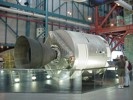
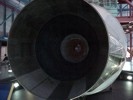
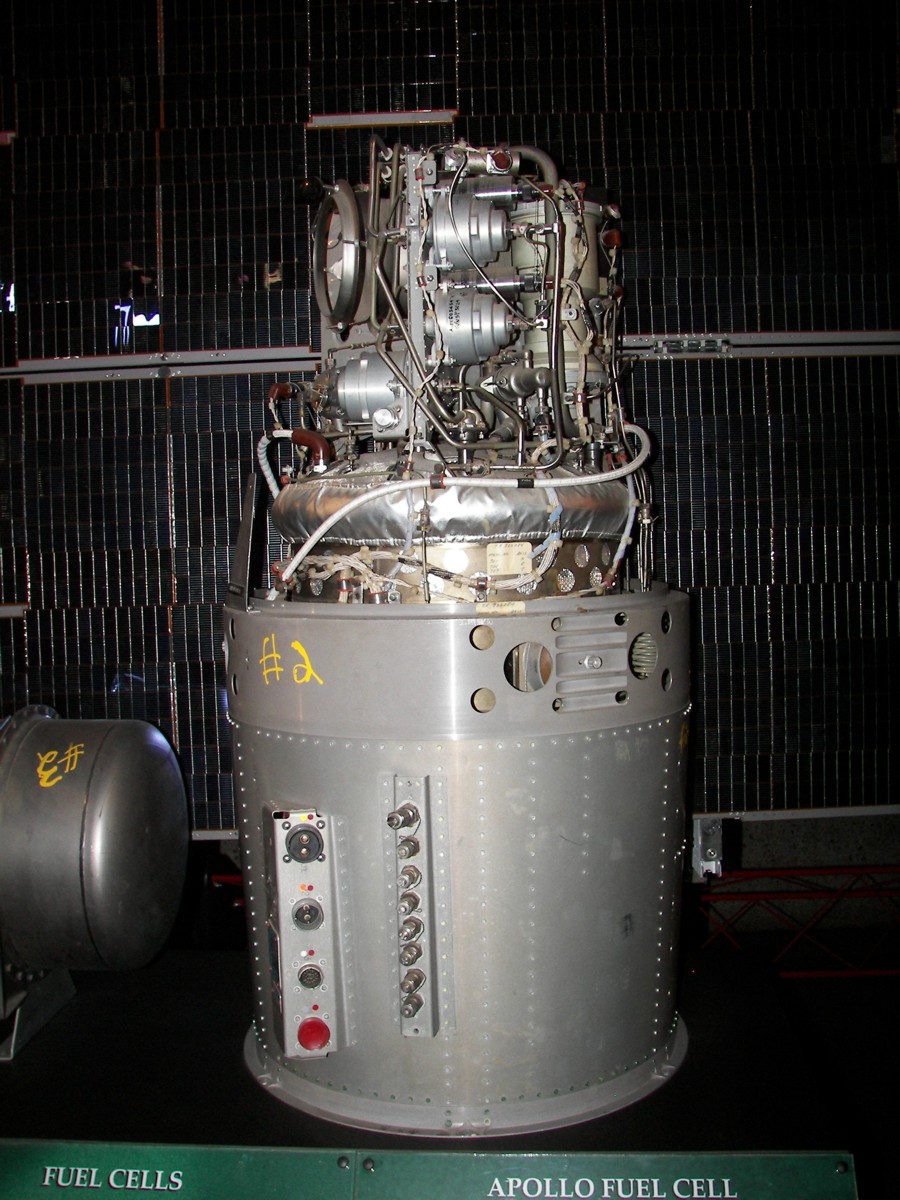
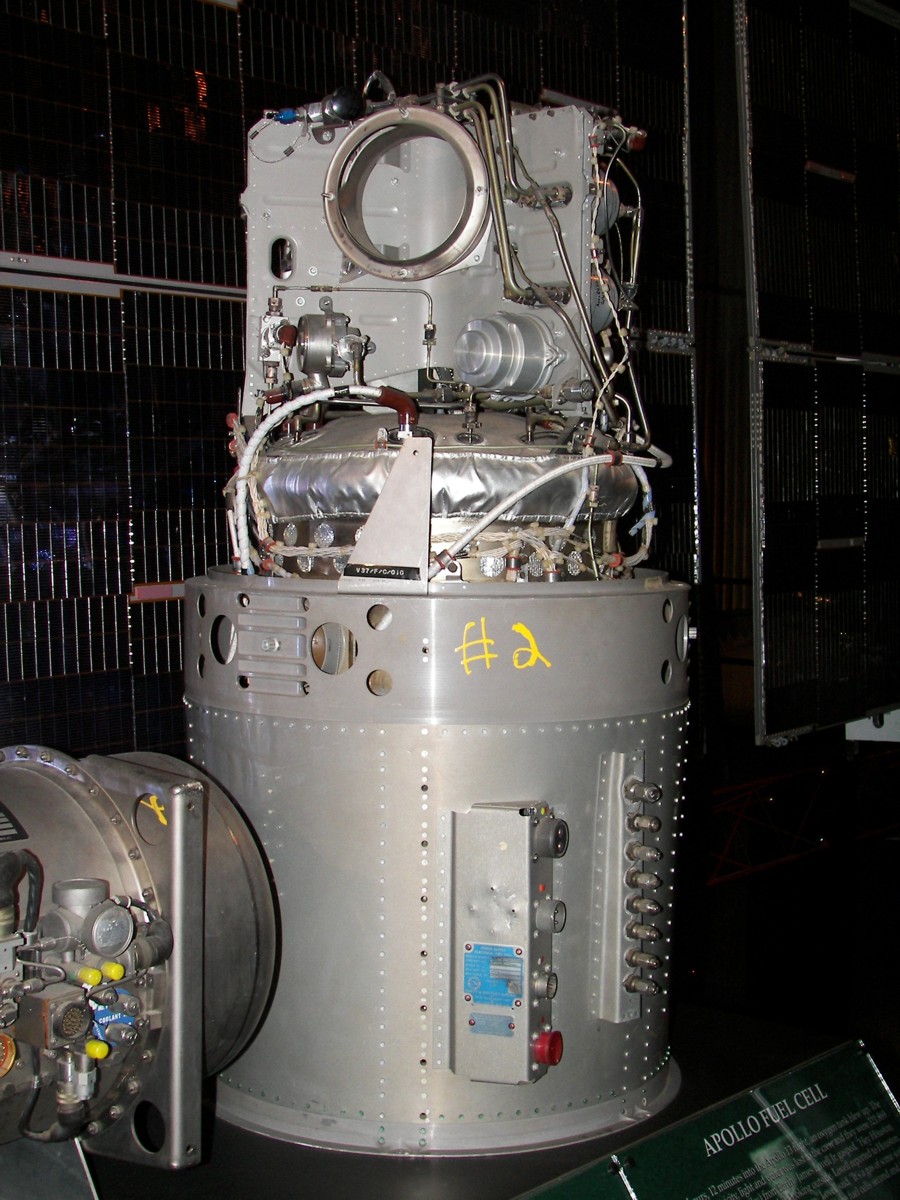
Apollo Fuel Cell
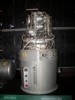
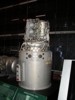
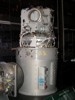
Apollo Fuel Cell Simulator on display at the U.S. Space and Rocket Center. (Photos: Richard Kruse, 2007)
Apollo Command Module Parts Identification
Apollo Command Module
| 1 | Roll Engines | 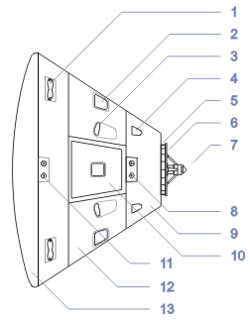 |
| 2 | Side window |
| 3 | Rendezvous window |
| 4 | Launch escape tower
leg wells |
| 5 | Docking ring |
| 6 | Forward hatch |
| 7 | Docking probe |
| 8 | Forward pitch engines |
| 9 | Forward heat shield |
| 10 | Crew access hatch |
| 11 | Aft pitch engines |
| 12 | Crew compartment
heat shield |
| 13 | Aft heat shield |
References
W. David Compton, Where No Man Has Gone Before: A History of Apollo Lunar Exploration Missions, NASA SP-4214. 1989.
Courtney G. Brooks, James M. Grimwood and Loyd S. Swenson Jr., Chariots for Apollo: A History of Manned Lunar Spacecraft, NASA SP-4205, Washington, D.C., 1979.
Apollo Operations Handbook - Block II Spacecraft, NASA. 1969.
E. Cortright, ed. Apollo Expeditions to the Moon, NASA SP-350, Washington, D.C., 1975.
Charles D. Benson and William Barnaby Faherty, Moonport: - A History of Apollo Launch Facilities and Operations, NASA SP-4204. 1978.
 Images by Richard Kruse are licensed under a Creative Commons Attribution-Noncommercial 3.0 United States License.