The Saturn Family of Rockets
The United States launched 32 Saturn rockets between 1961 and 1975. The Saturn family of rockets included the Saturn I (10 launches), Saturn IB (9 launches), the three-stage Saturn V (12 launches), and the two-stage Saturn V (1 launch). Although some flights experienced significant problems, no Saturn rocket failed catastrophically in flight.
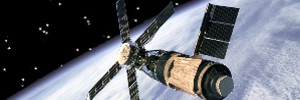
Saturn rockets were used in support of the Apollo lunar missions, the launch of the Skylab space station, Ferrying crews to and from Skylab, and to launch the American half of the Apollo-Soyuz Test Project.
Saturn I
The Saturn I Rocket
The U.S. Army Ballistic Missile Agency (ABMA), under the direction of Wernher von Braun, began developing the Saturn I rocket in 1957. The unique first stage was composed of clustered tanks. This clustering of smaller tanks, rather than manufacturing larger tanks, allowed the use of tooling from the Redstone and Jupiter missile programs.
The first Saturn rockets to fly were the Saturn I. Between 1961 and 1965, ten Saturn I rockets were launched. All were successful. The first four Saturn I missions were known as block 1. Block 1 missions flew with an S-I first stage, and dummy upper stages. The last six Saturn I missions were known as block 2. Block 2 missions included an uprated S-I stage and an S-IV second stage. Several of the block-2 missions orbited boilerplate Apollo spacecraft and Pegasus satellites. Among the largest payloads in orbit at that time, the Pegasus satellites were designed to detect micrometeoroid hits.
The Saturn I design later evolved into the Saturn IB rockets of the Apollo era.
S-I First Stage
The S-I stage was manufactured by Chrysler and was powered by eight H-1 engines.
The main portion of the stage was comprised of a cluster of nine propellant tanks. The eight outer tanks were fabricated using Redstone rocket tooling. The core fuel tank, larger in diameter then the eight outer tanks, was fabricated using Jupiter rocket tooling. The S-I stage was fueled with RP-1 and Liquid Oxygen.
Early missions flew without aerodynamic fins. Block 2 missions, starting with SA-105, included eight fins to provide stability.
S-IV Second Stage
Block 2 flights included the S-IV second stage. The S-IV, built by Douglas Aircraft Company, was powered by six Pratt and Whitney RL-10 engines. The engines were gimbaled and used liquid hydrogen and liquid oxygen as propellants.


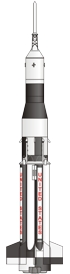
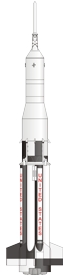

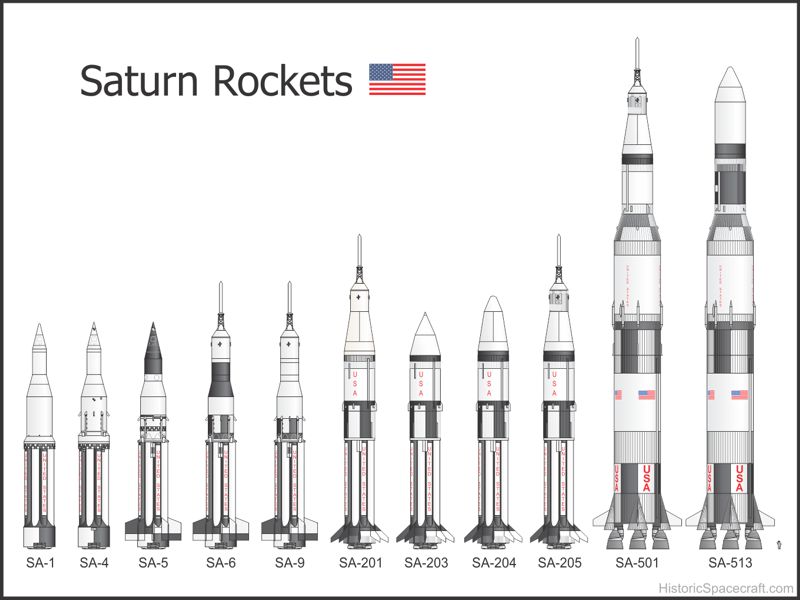
Saturn I Rockets (Left to right) S-101, S-102, SA-103, SA-104, SA-105, SA-106, SA-107, SA-108, SA-109, and SA-110.
Saturn I Mission Table
Launch
Vehicle | Launch
Date | Payload | Mission |
| S-101 (SA-1) | 27OCT1961 | --- | Test Flight |
| S-102 (SA-2) | 25APR1962 | --- | Test Flight |
| SA-103 (SA-3) | 16NOV1962 | --- | Test Flight |
| SA-104 (SA-4) | 28MAR1963 | --- | Test Flight |
| SA-105 (SA-5) | 29JAN1964 | --- | First test of
live second stage. |
| SA-106 (A-101) | 28MAY1964 | CSM Boilerplate | First test of
CSM Boilerplate |
| SA-107 (A-102) | 18SEP1964 | CSM Boilerplate | Test Flight |
| SA-108 (A-104) | 25MAY1965 | Pegasus B,
CSM Boilerplate | Test Flight |
| SA-109 (A-103) | 16FEB1965 | Pegasus A,
CSM Boilerplate | Test Flight |
| SA-110 (A-105) | 30JUL1965 | Pegasus C,
CSM Boilerplate | Test Flight |
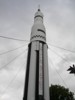
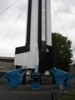
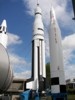
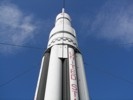
Saturn 1 Rocket Photos
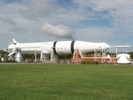
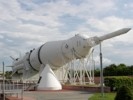
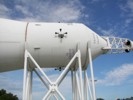
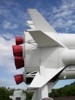
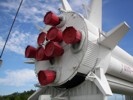
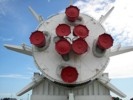
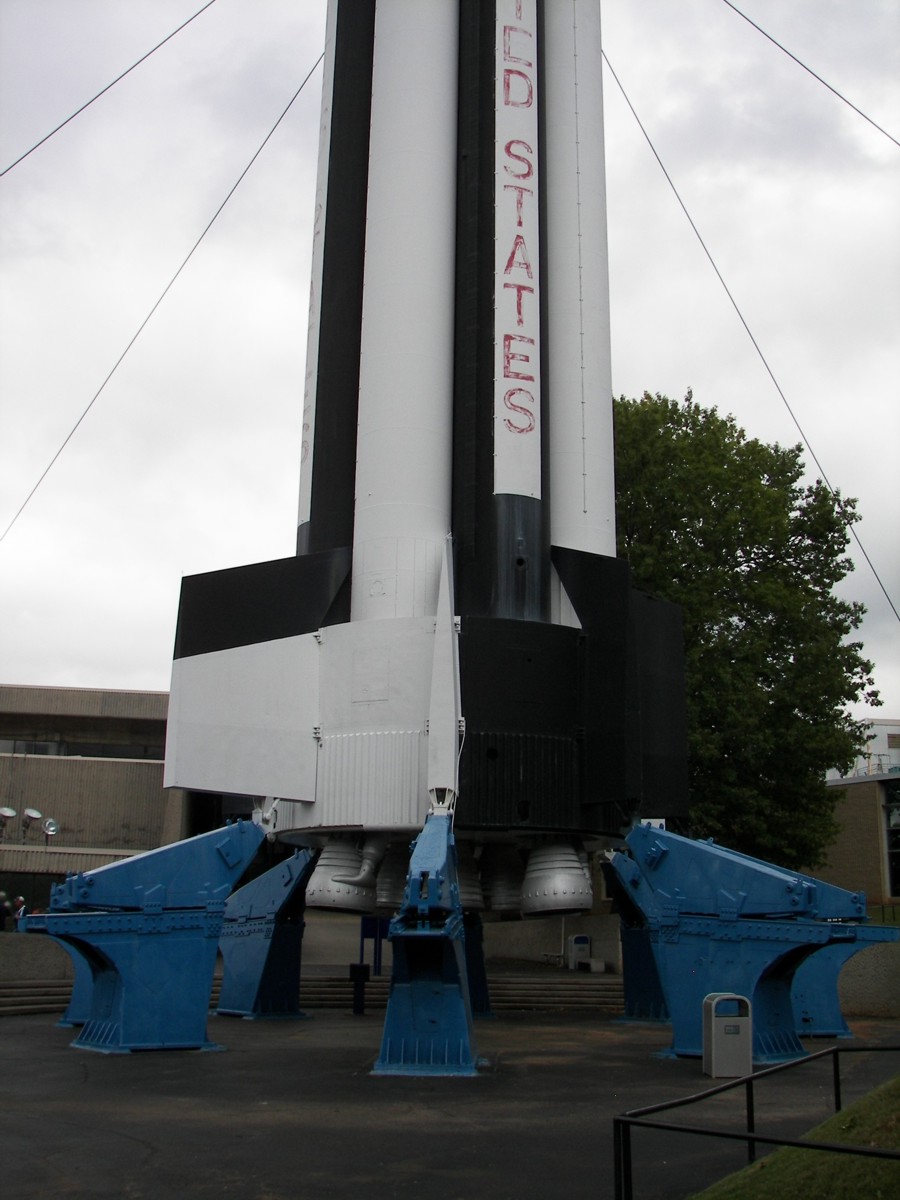
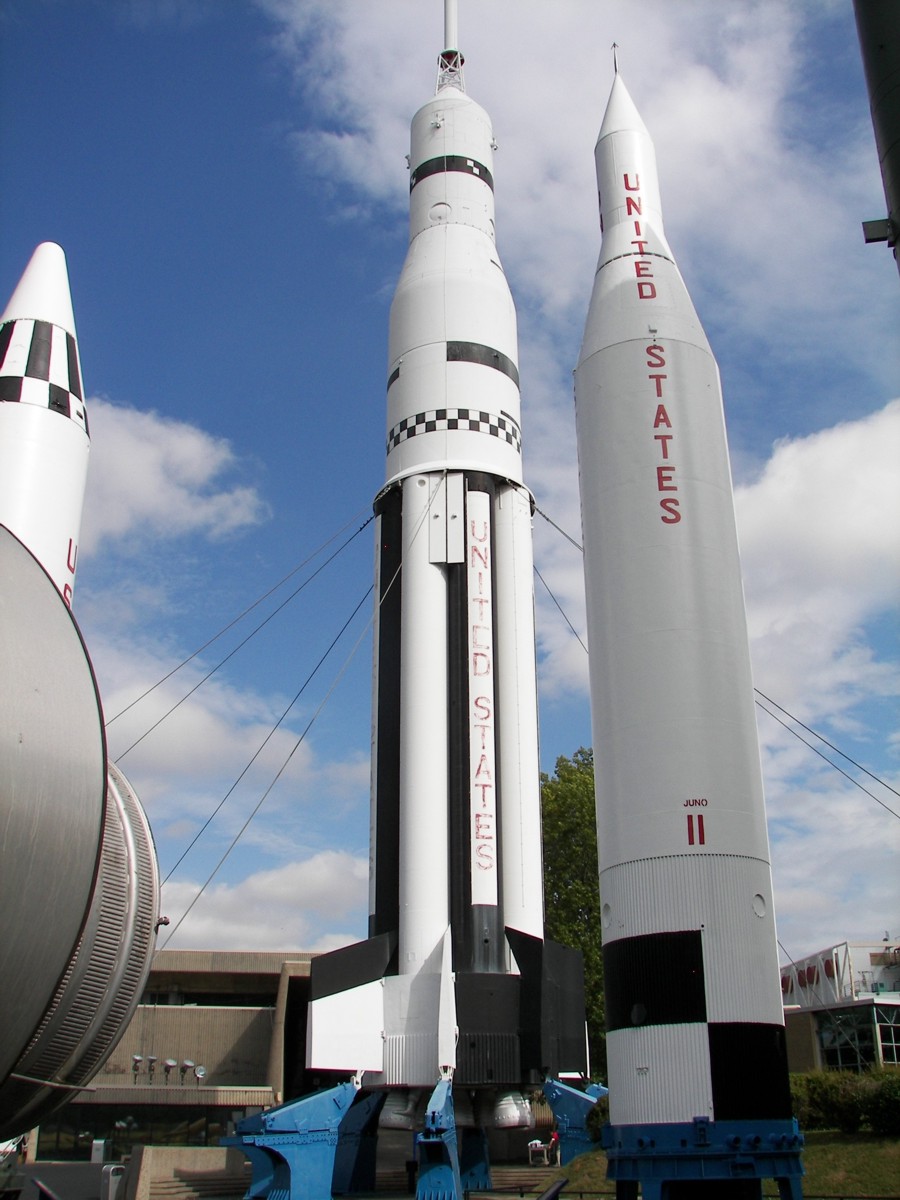
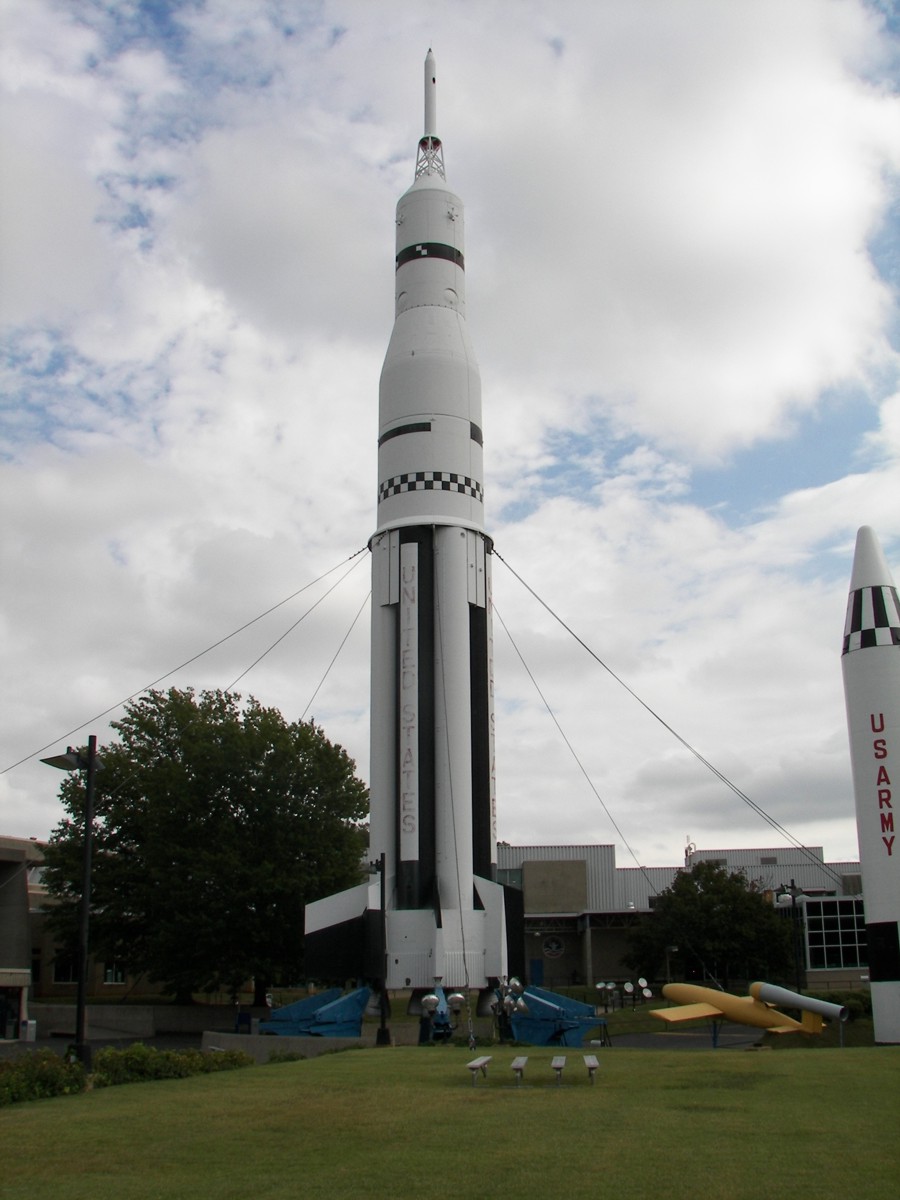
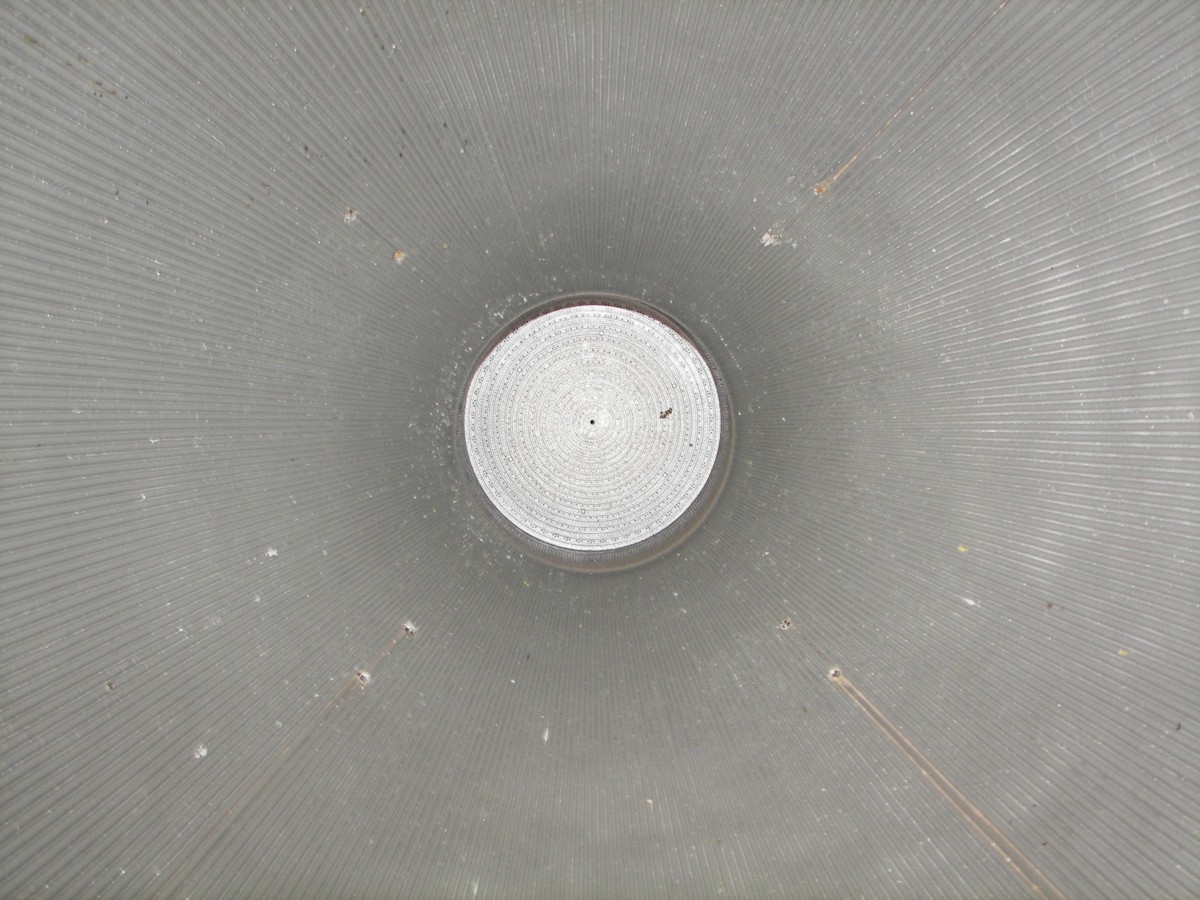
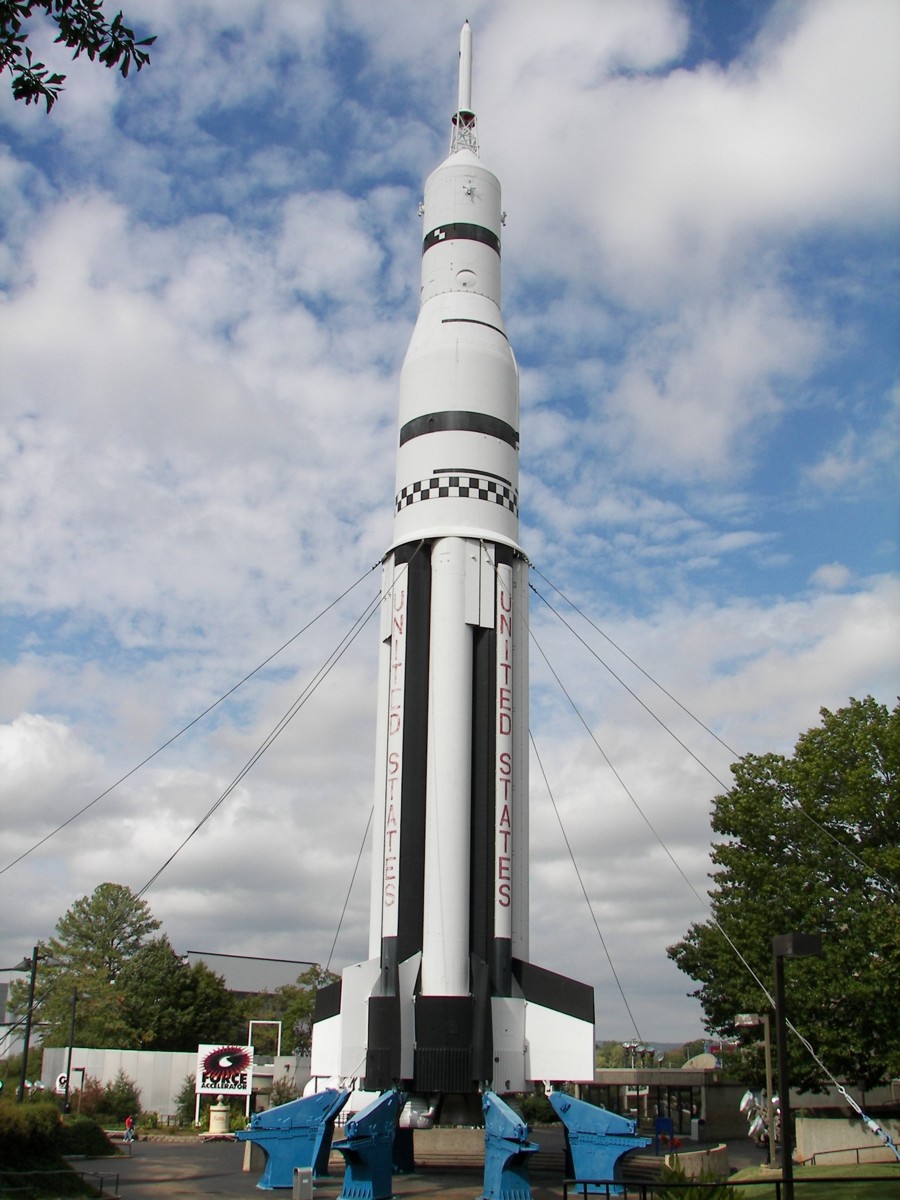
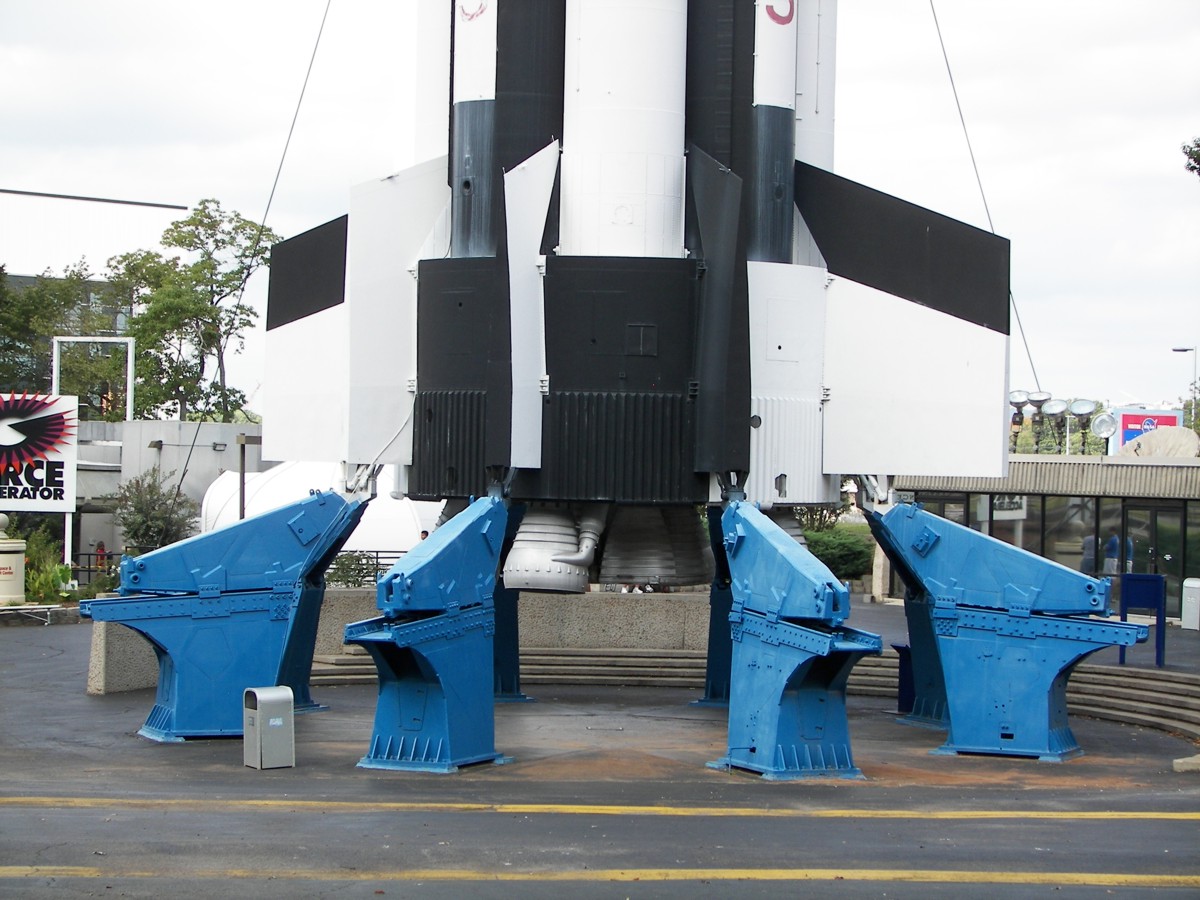
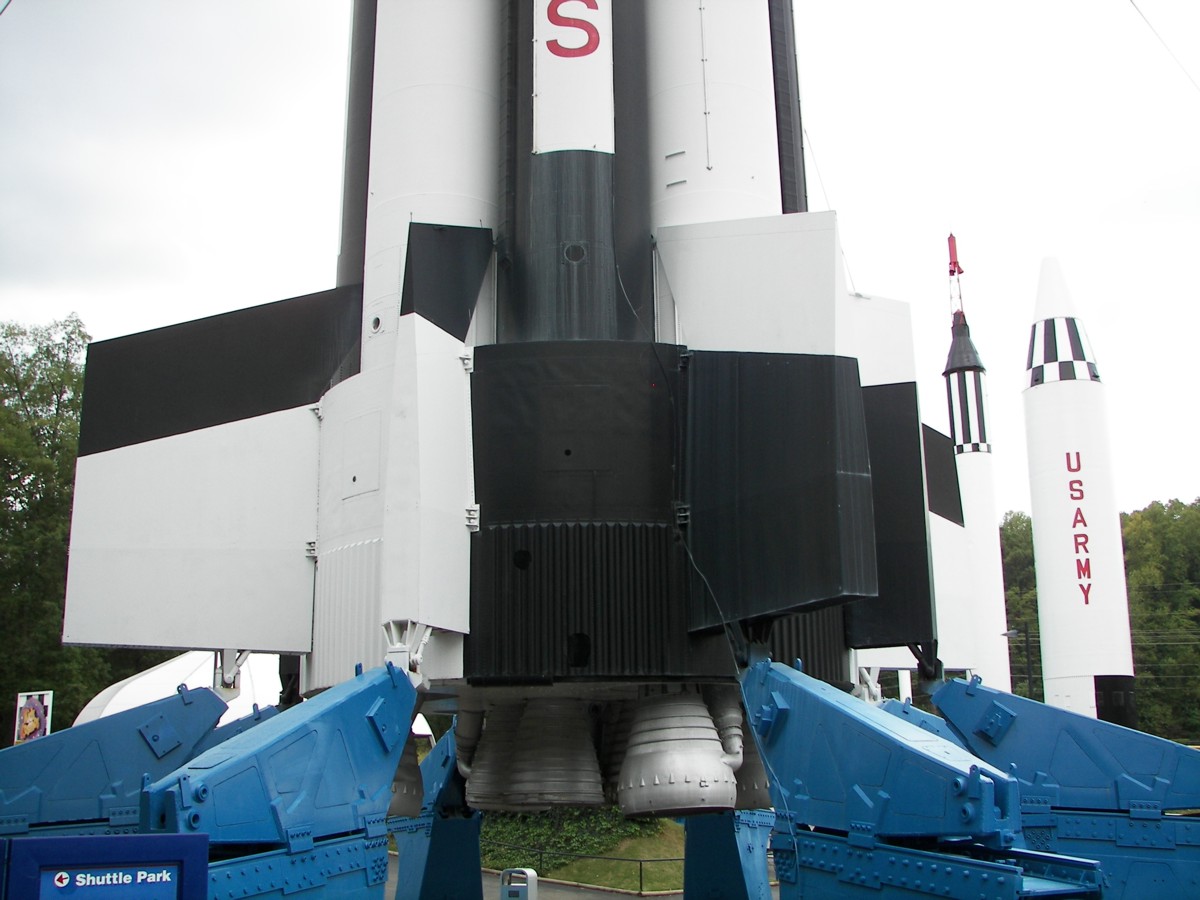
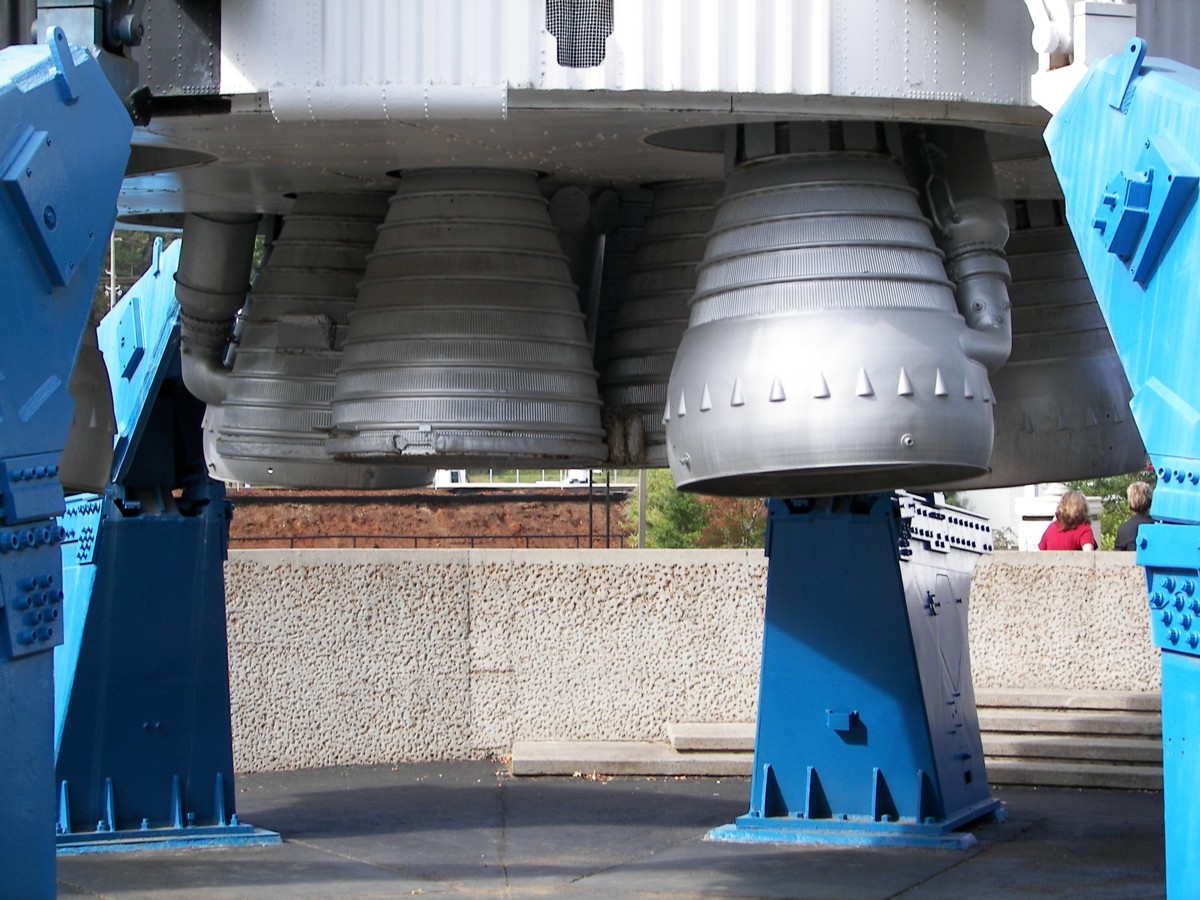
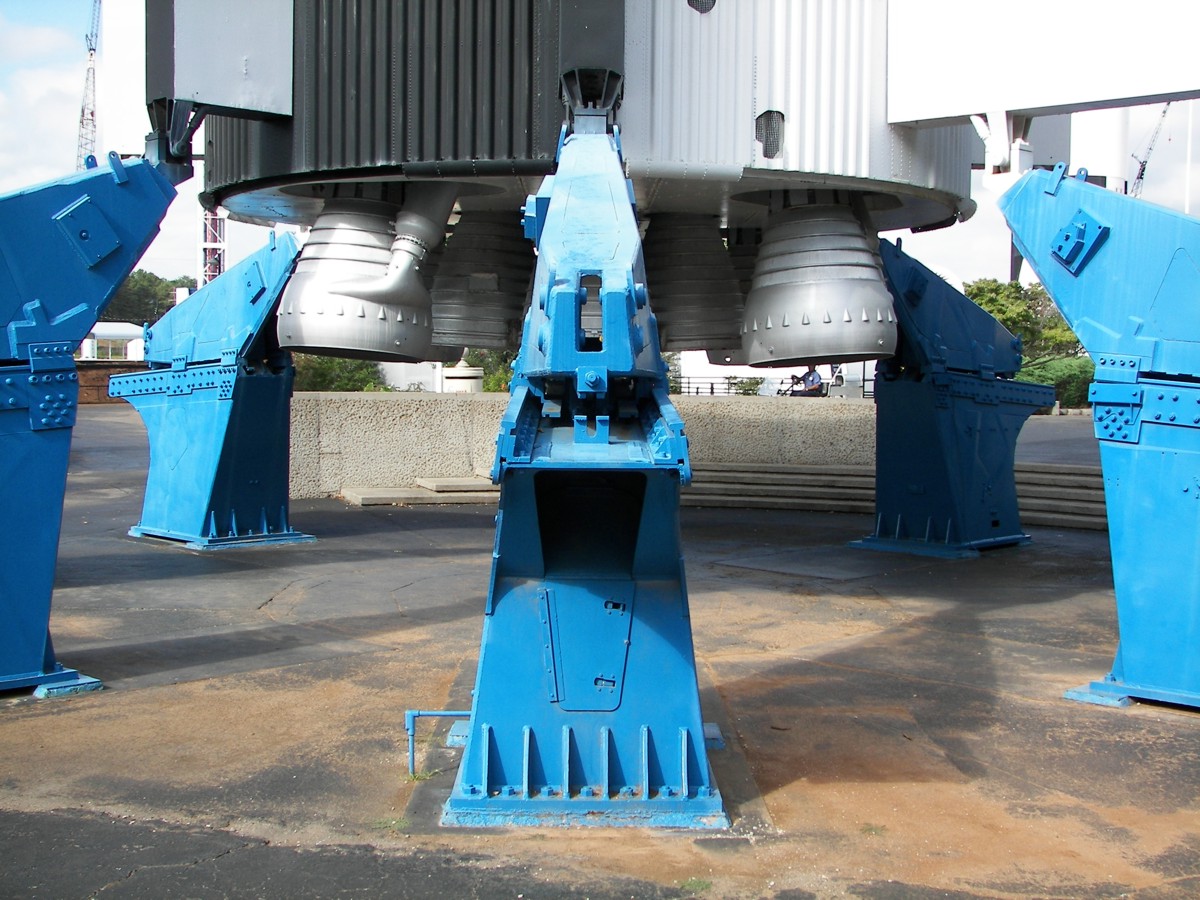
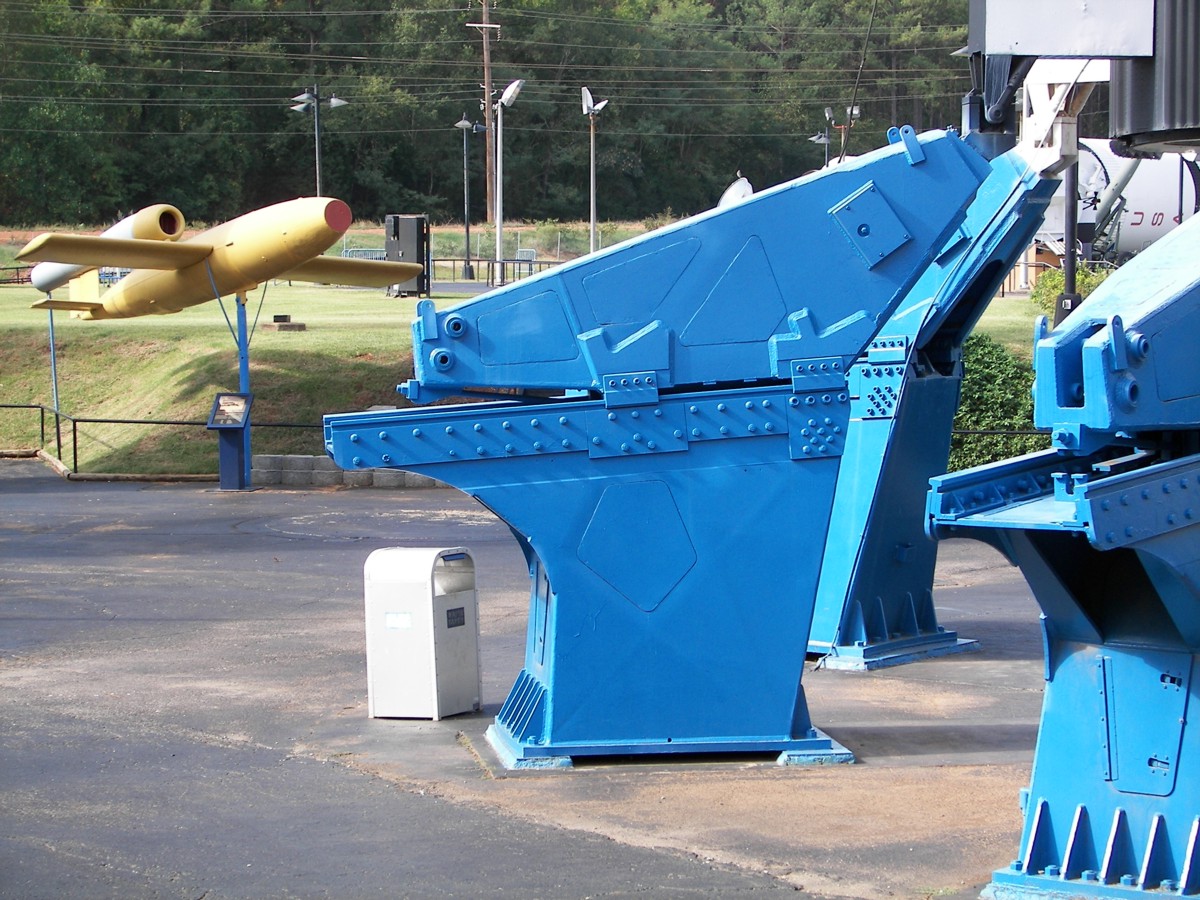
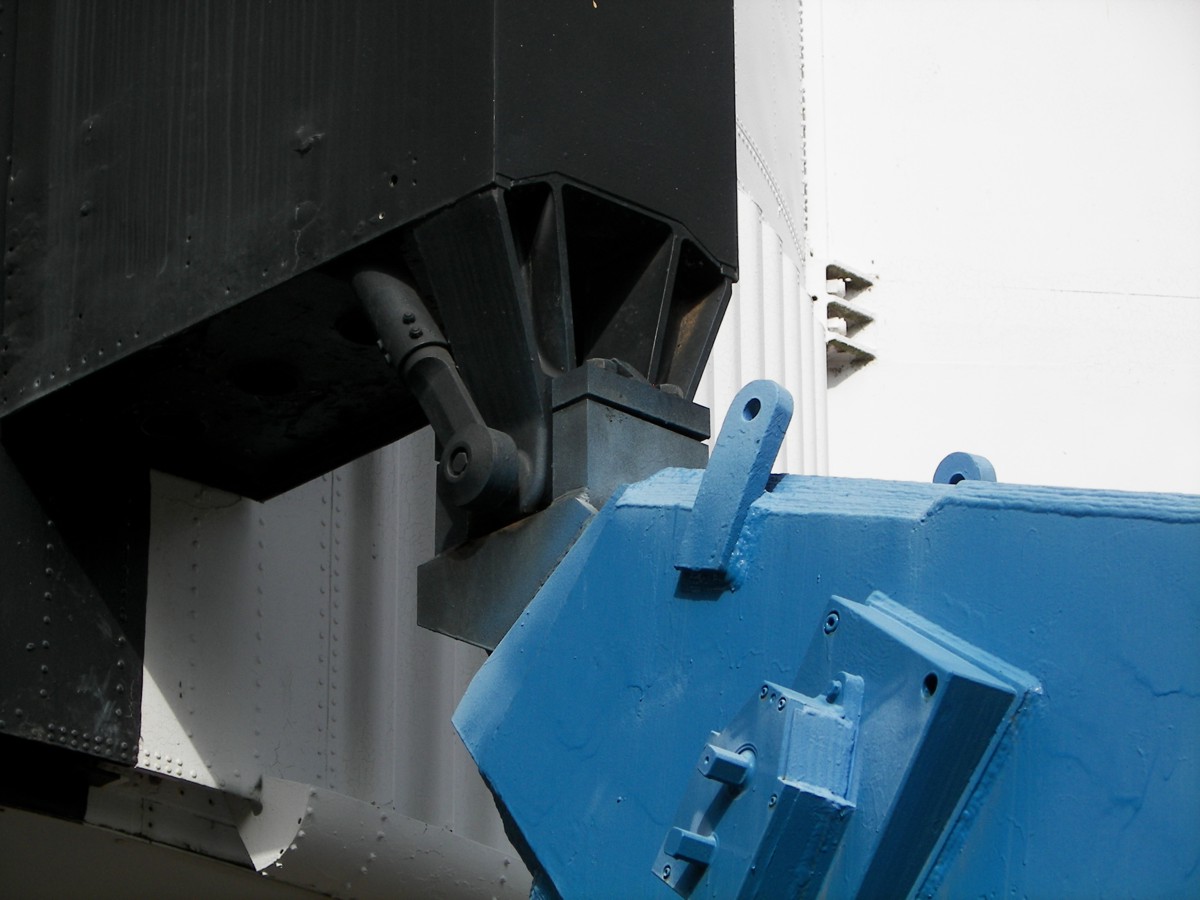
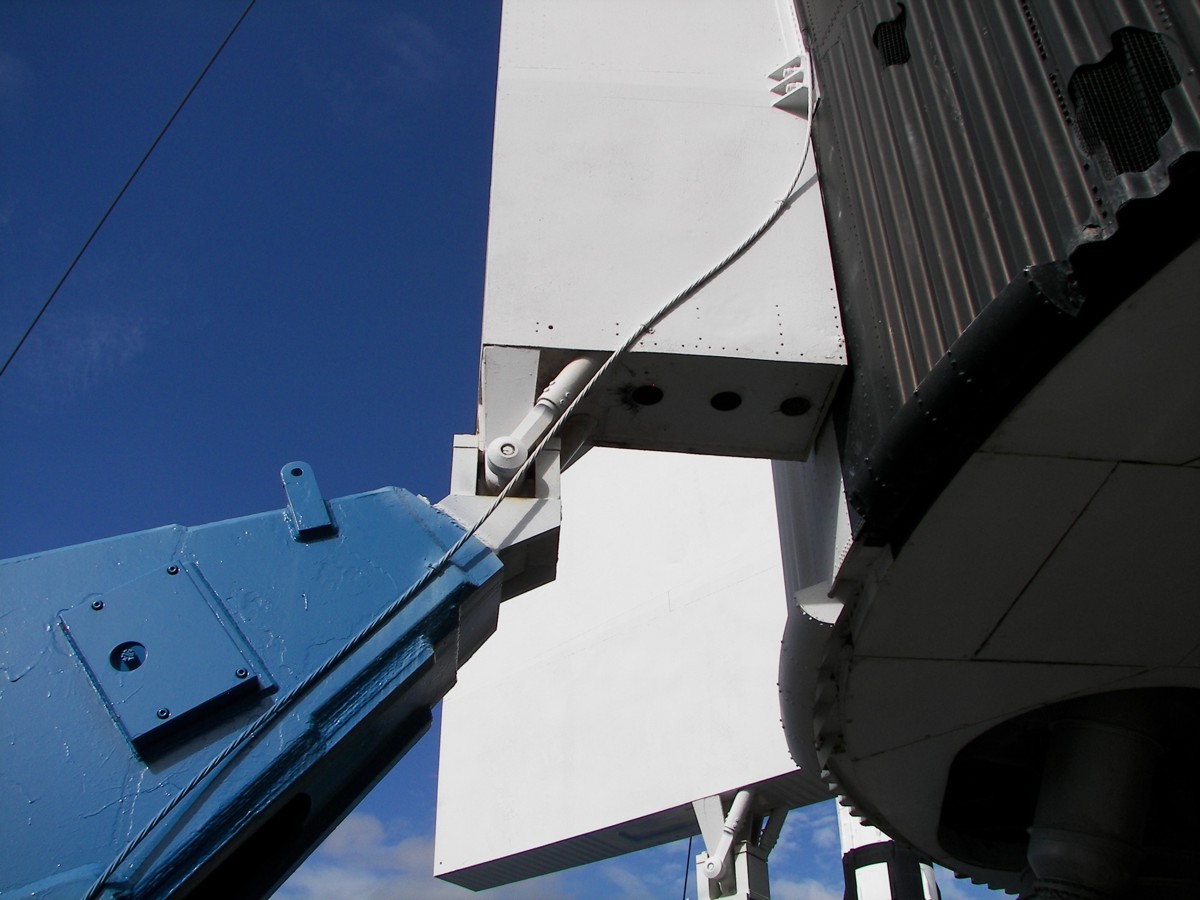
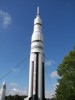
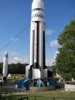
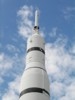
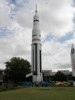
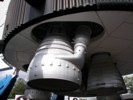
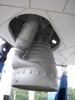
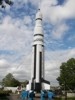
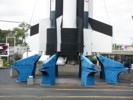
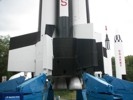
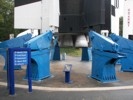
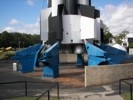
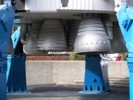
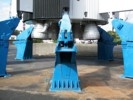
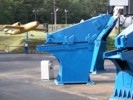
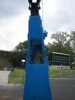
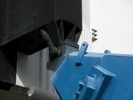
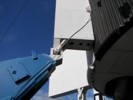
Photos of the Saturn 1 (Block 2) at the US Space and Rocket Center in Huntsville, Alabama. The second stage apears to be a mock-up and is lacking many external details found on actual S-IV stages. (Photos: Richard Kruse, 2007)
Saturn IB
Saturn IB Rocket
The Saturn-IB featured an uprated S-I first stage and the new S-IVB second stage.
S-IVB
Developed by McDonnell Douglas, the S-IVB served as second stage for S-IB rockets, and later as third stage for Saturn V rockets. Fueled with liquid hydrogen and liquid oxygen, the S-IVB was powered by a single J-2 engine.
Saturn IB Missions
The S-IB rocket flew nine times. Early missions included tests of the S-IVB stage, Apollo command and service module tests, and one flight with a Lunar Module. The first crewed mission, Apollo 7 (SA-205), was flown in October, 1968. In the 1970's Saturn IB rockets launched all three Skylab crews and the American half of the Apollo-Soyuz test project.
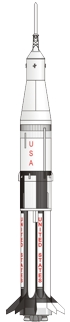
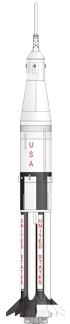
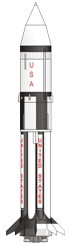
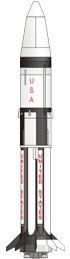
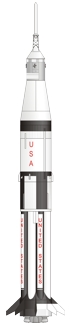
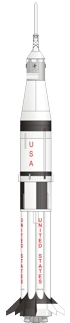
Saturn IB Rockets (Left to right) AS-201, AS-202, AS-203, Apollo 5, Apollo 7, Skylab 2, Skylab 3, Skylab 4, and ASTP.
Saturn IB Mission Table
Launch
Vehicle | Name | Launch
Date | Payload | Mission |
| SA-201 | AS-201 | 26FEB1966 | CSM-009 | First test flight of Saturn IB. |
| SA-202 | AS-202 | 25AUG1966 | CSM-011A | Test of CSM. |
| SA-203 | AS-203 | 5JUL1966 | --- | Test flight. |
| SA-204 | Apollo 5 | 22JAN1968 | LM-1 | Earth orbit test of Lunar Module. |
| SA-205 | Apollo 7 | 11OCT1968 | CSM-101 | Earth orbit. |
| SA-206 | Skylab 2 | 25MAY1973 | CSM-116 | First Skylab crew. |
| SA-207 | Skylab 3 | 28JUL1973 | CSM-117 | Second Skylab crew. |
| SA-208 | Skylab 4 | 16NOV1973 | CSM-118 | Third Skylab crew. |
| SA-210 | ASTP | 15JUL1975 | CSM-111 | Docked with Soyuz 19. |
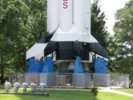
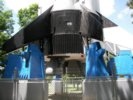
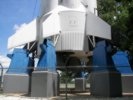
Saturn IB Rockets on Display
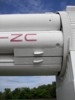
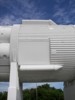
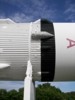
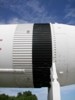
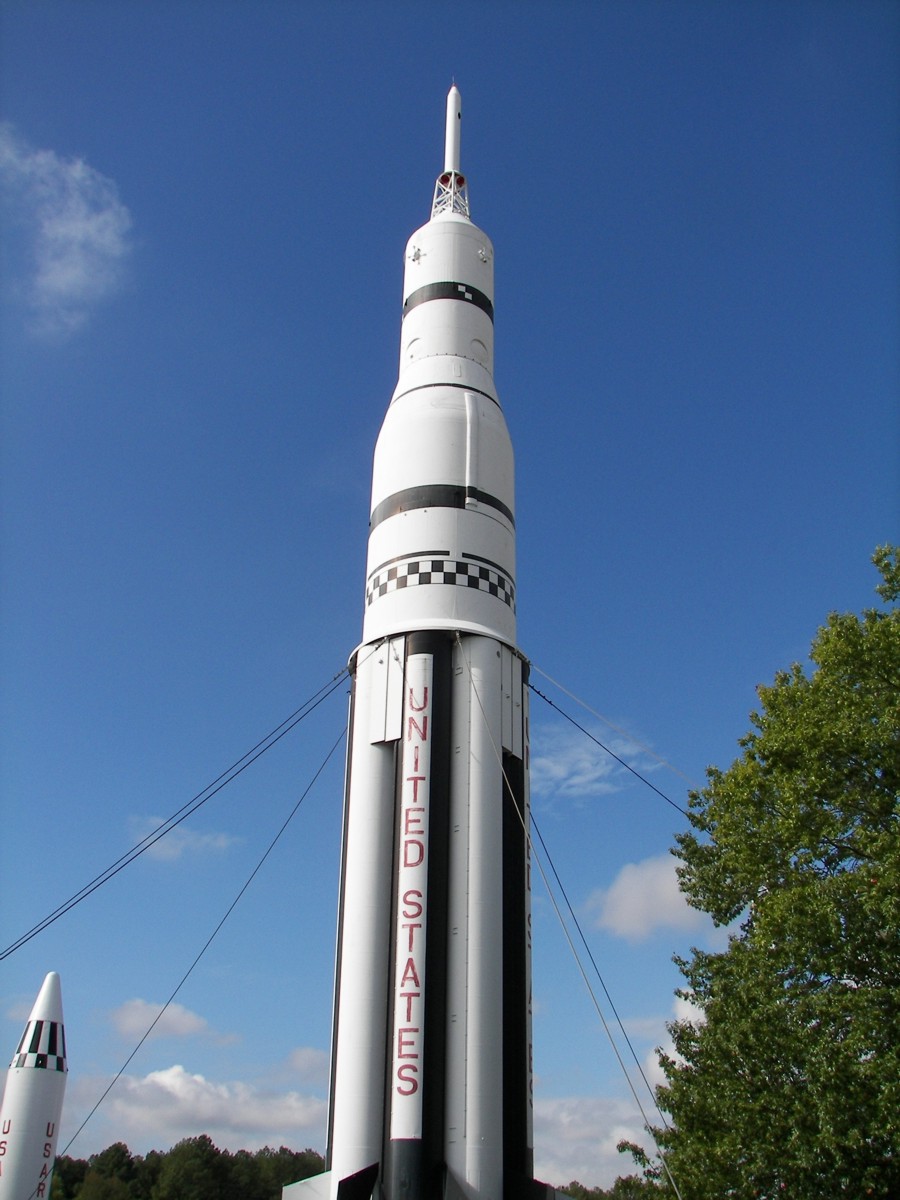
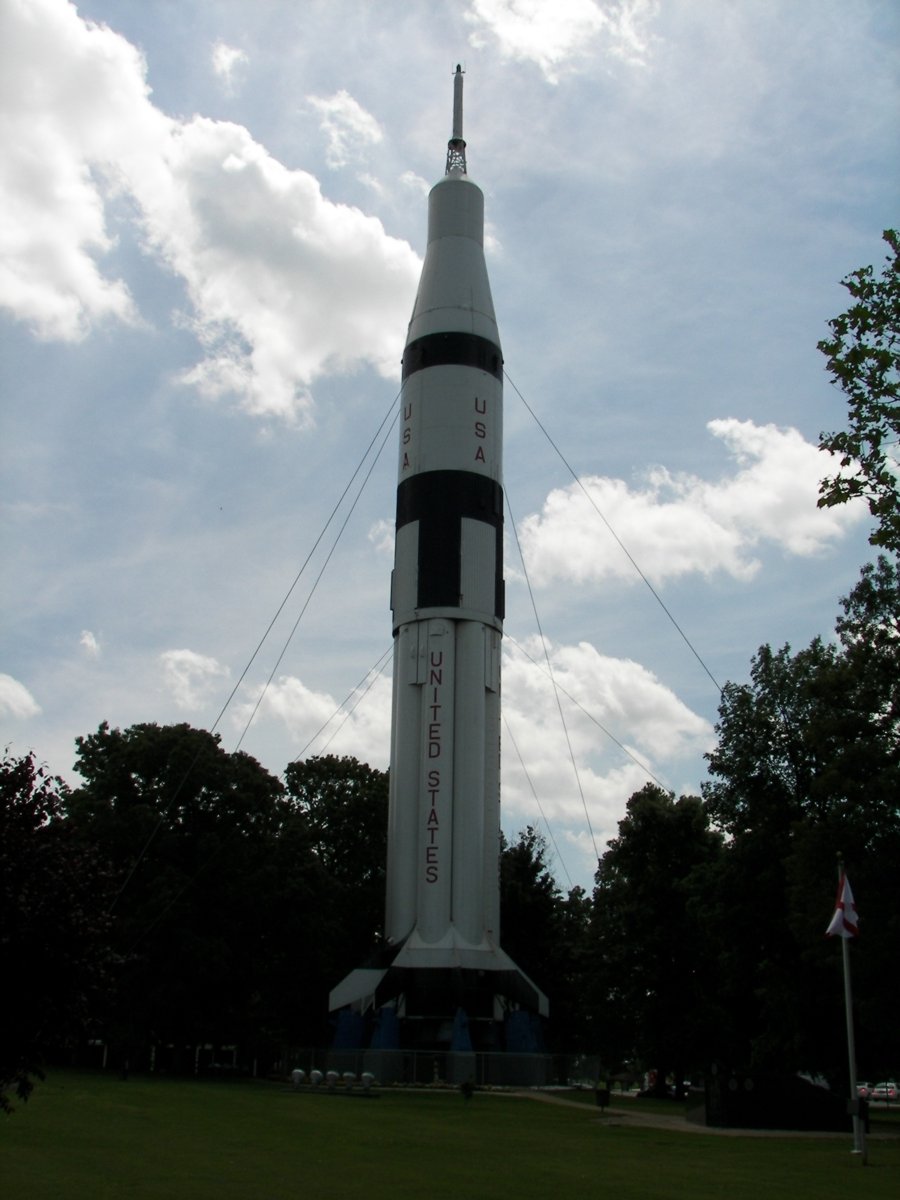
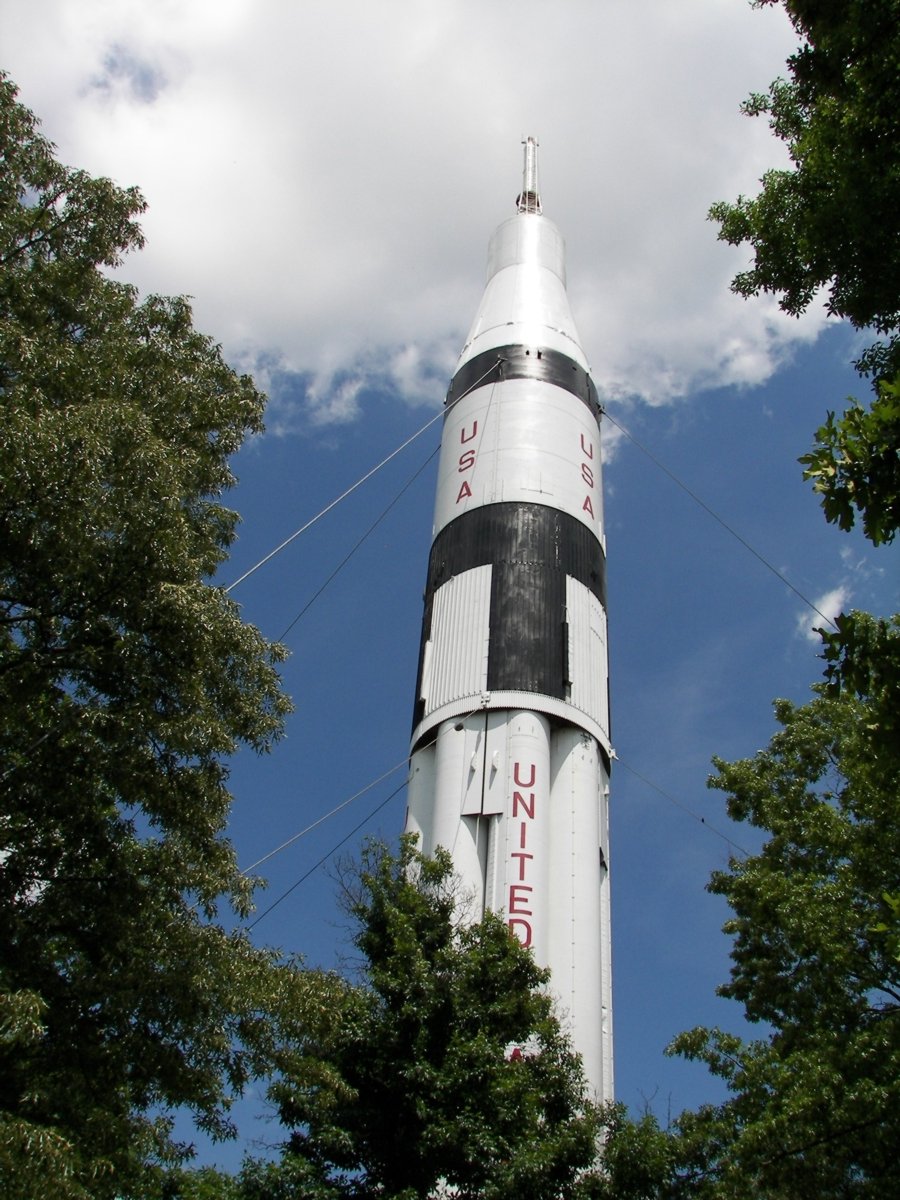
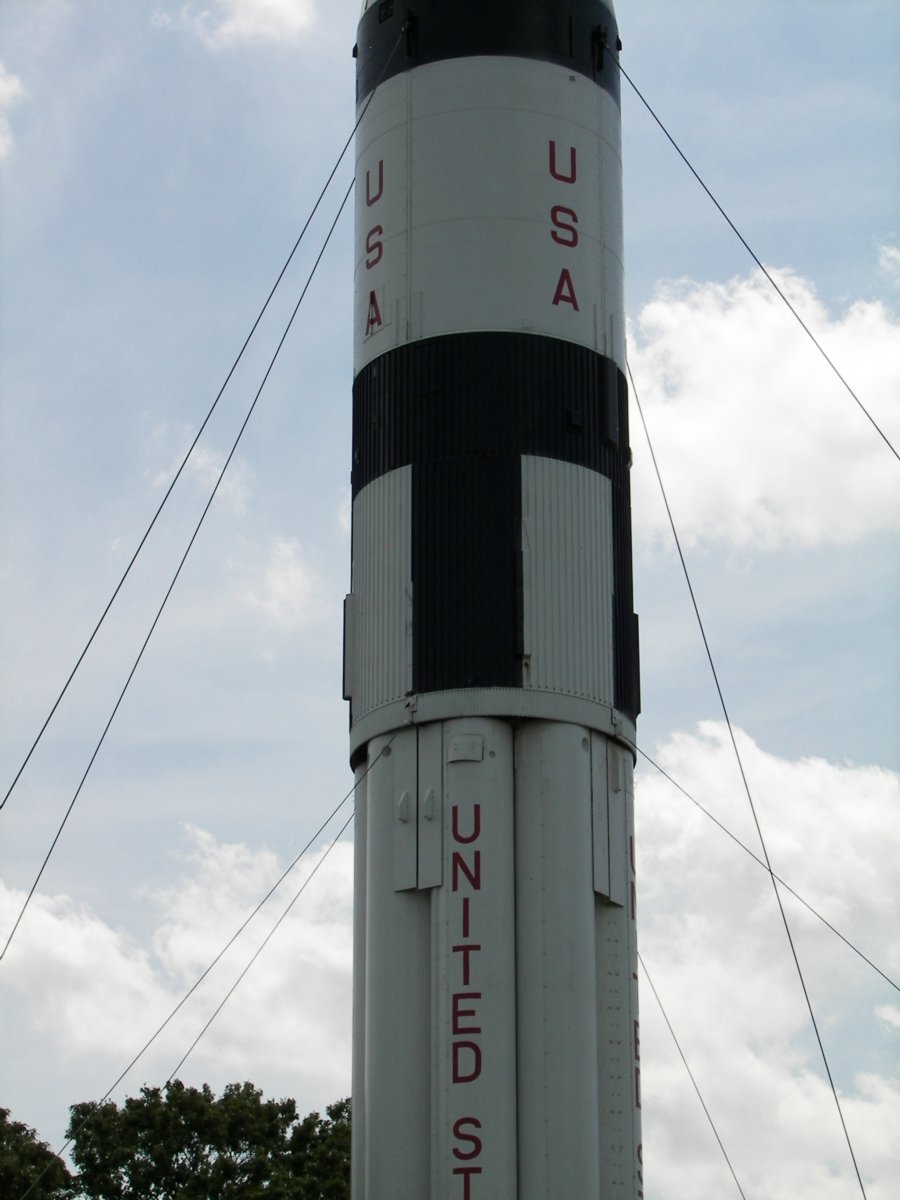
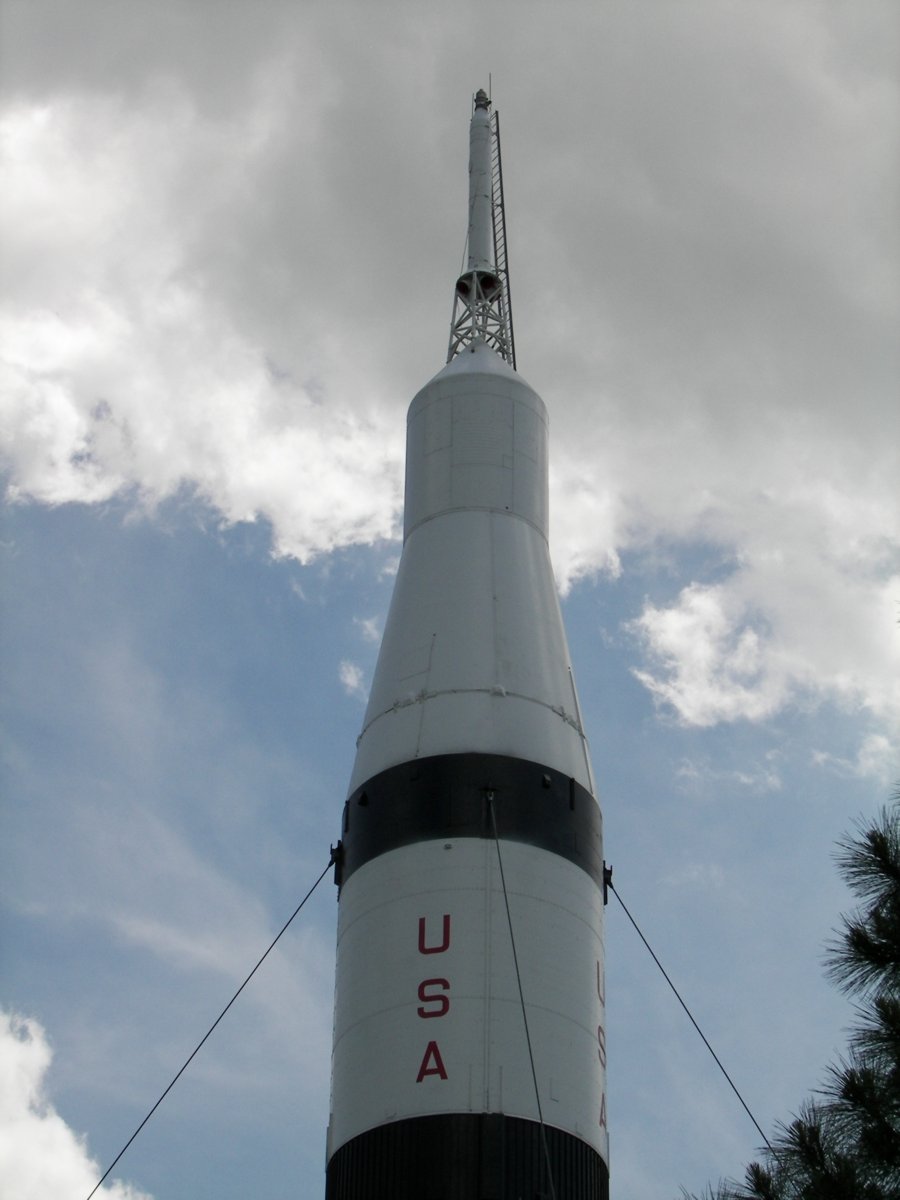
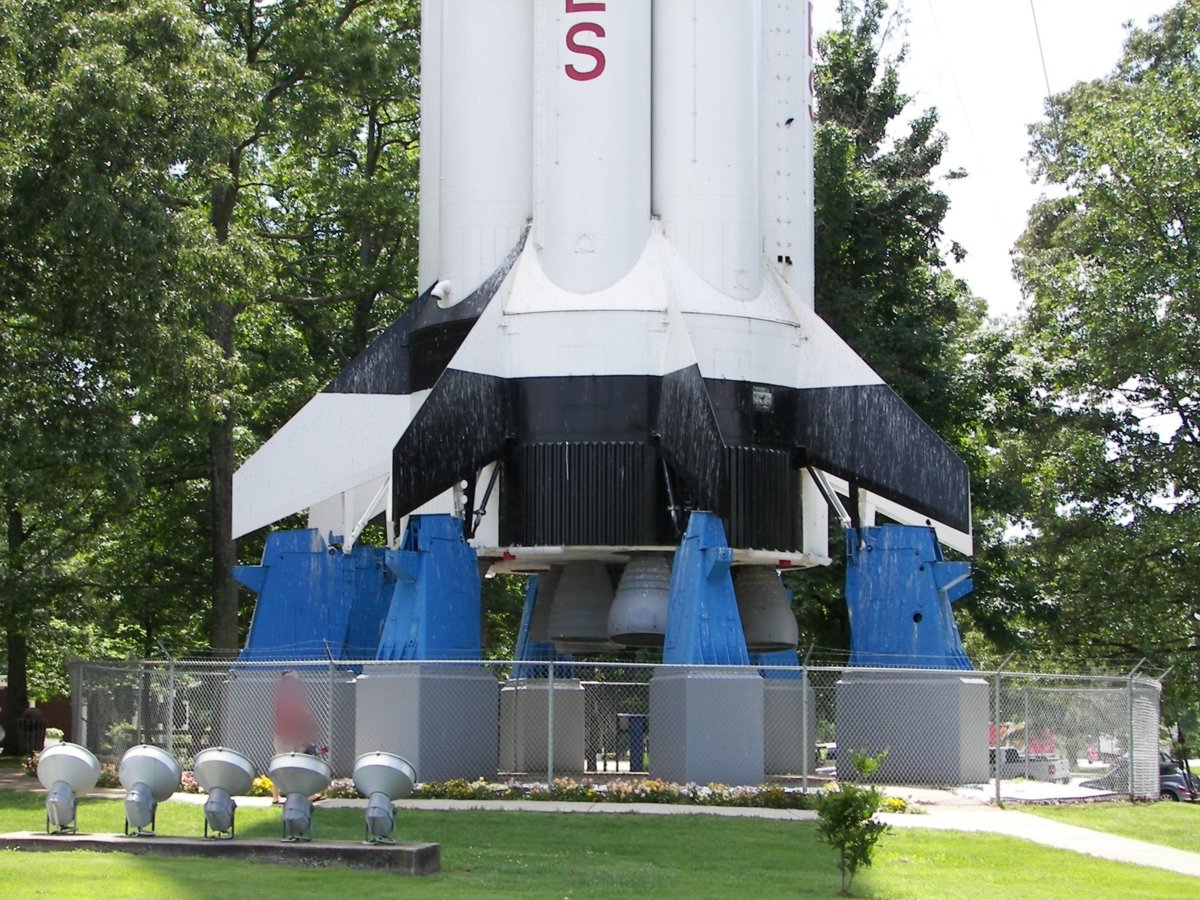
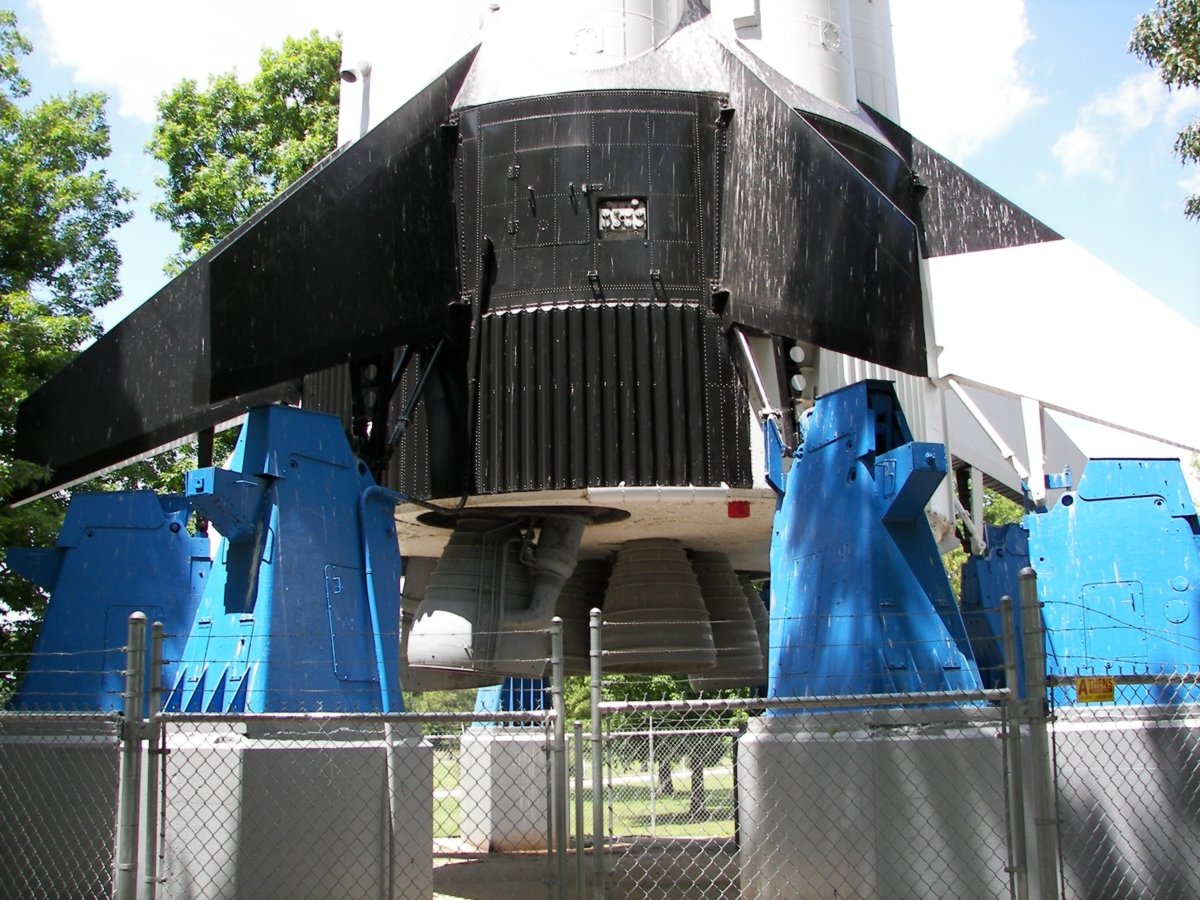
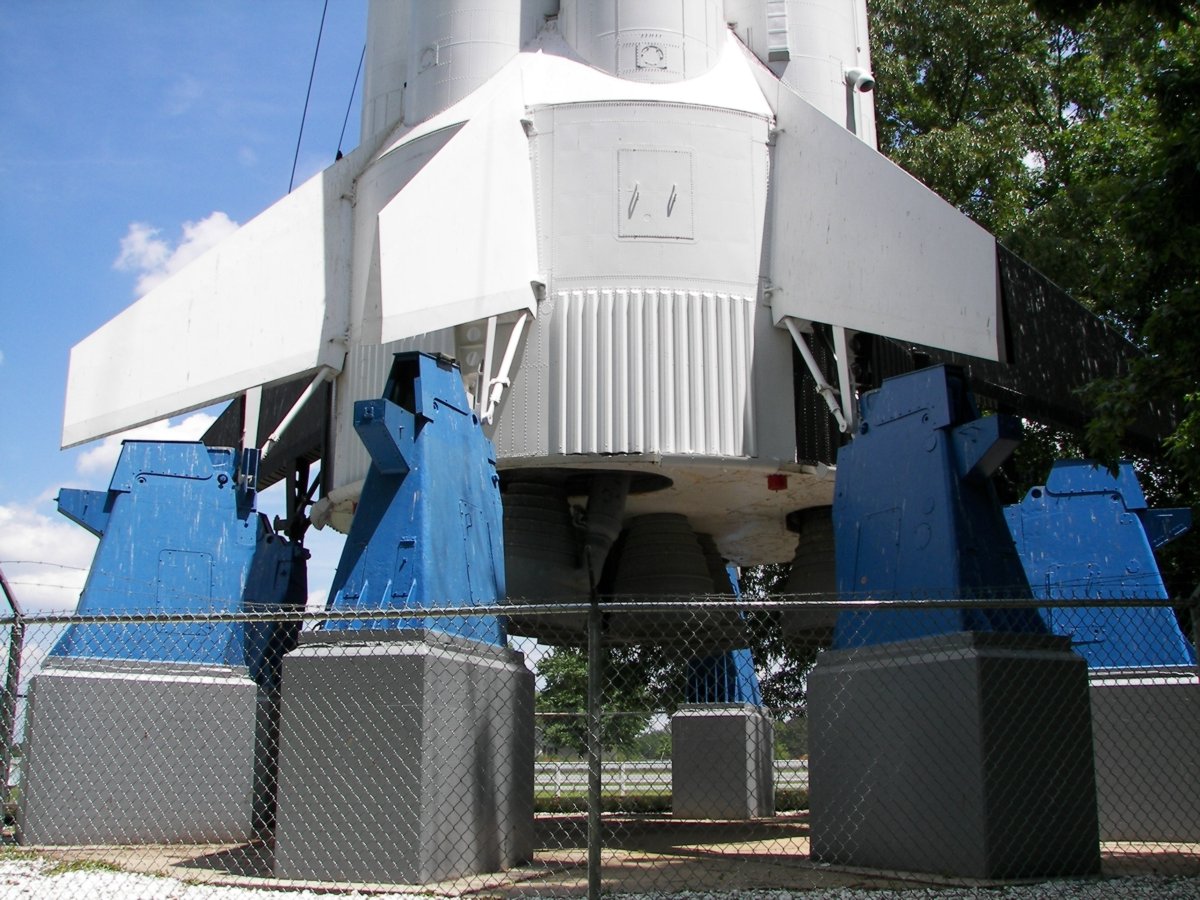
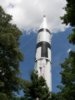
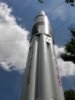
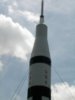
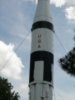
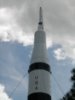
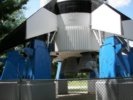
Saturn IB at the Alabama Welcome Center
(Photos: Richard Kruse, 2008)
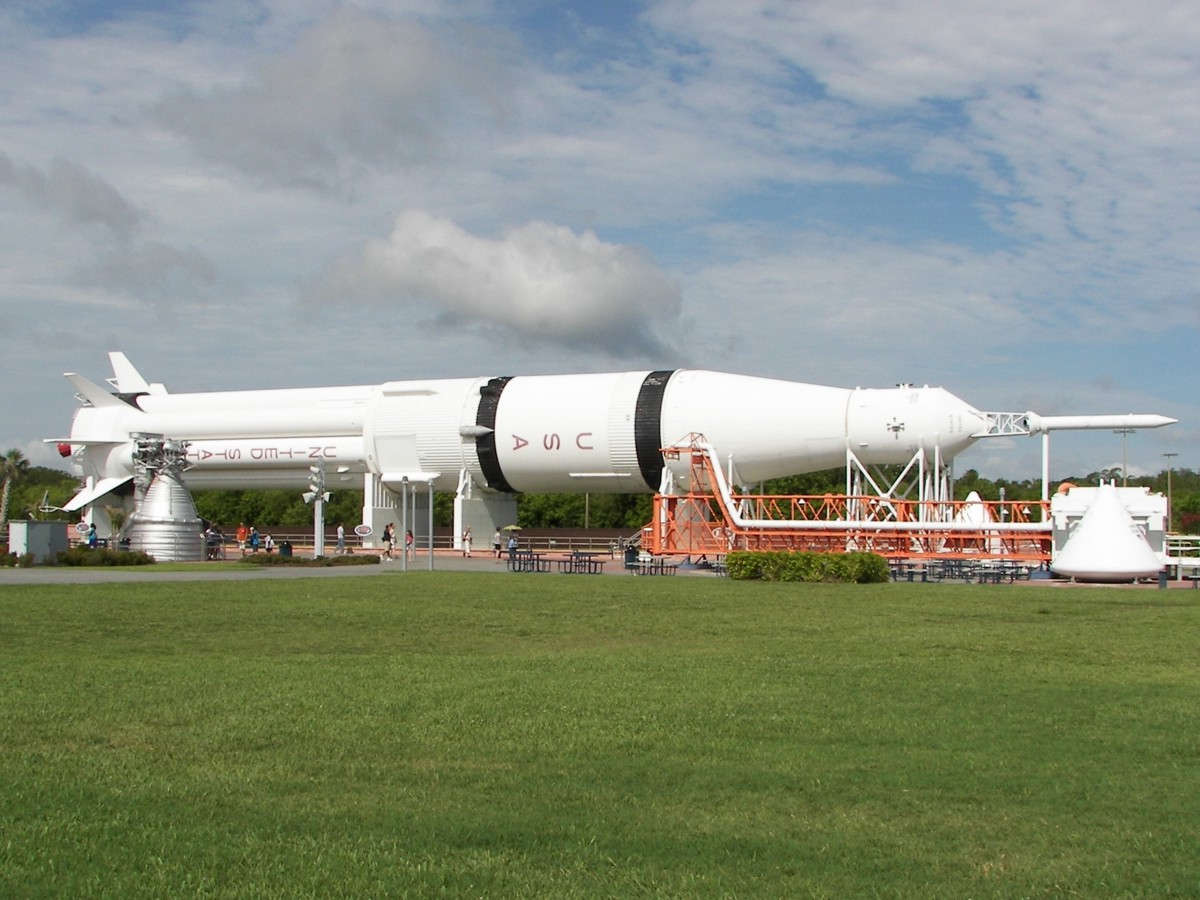
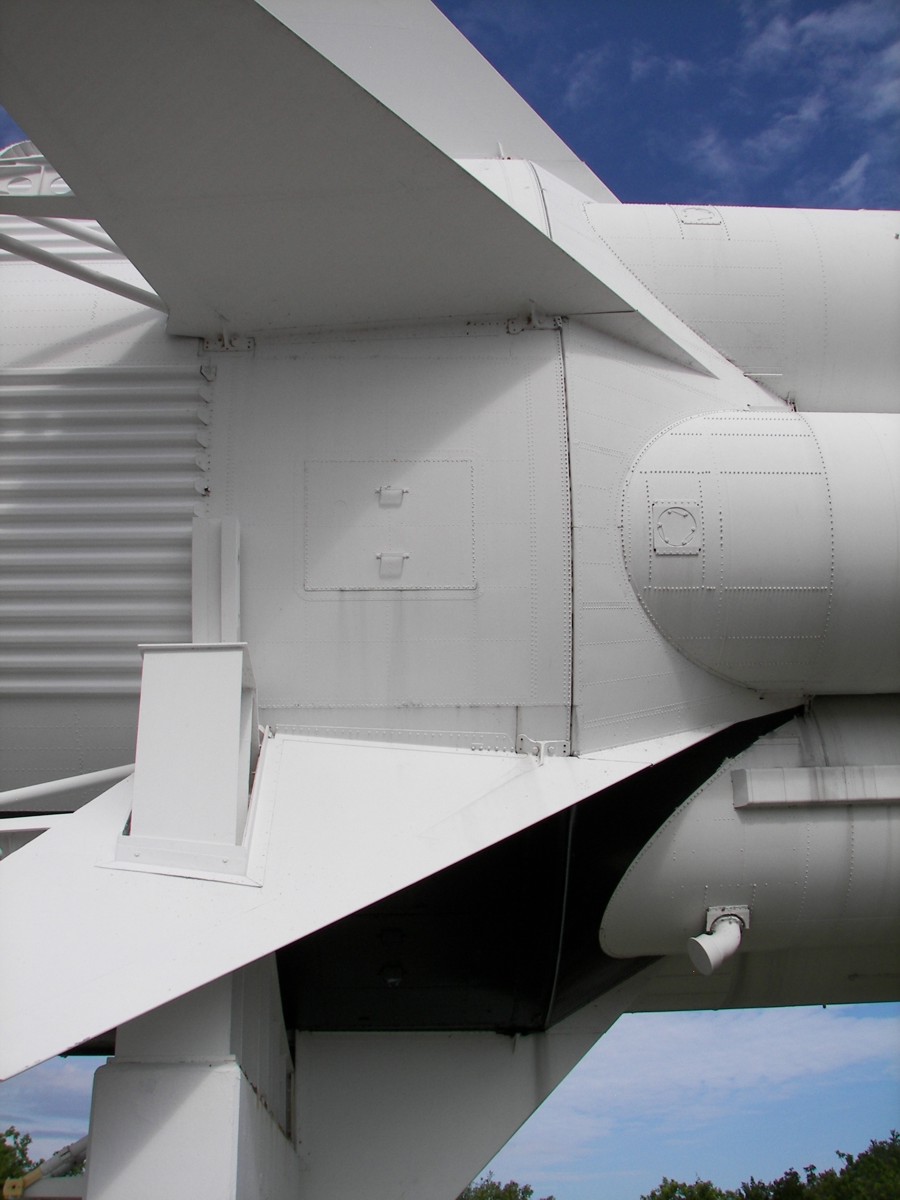
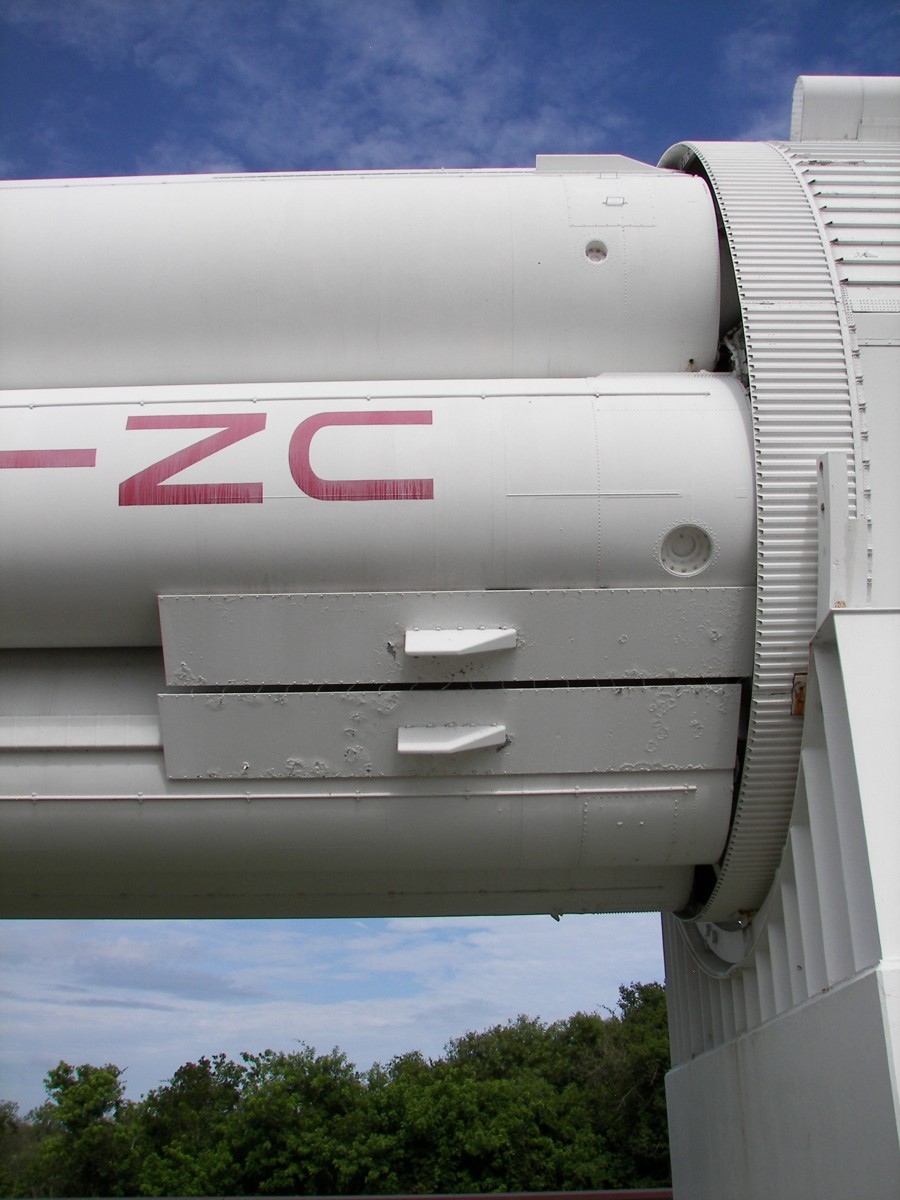
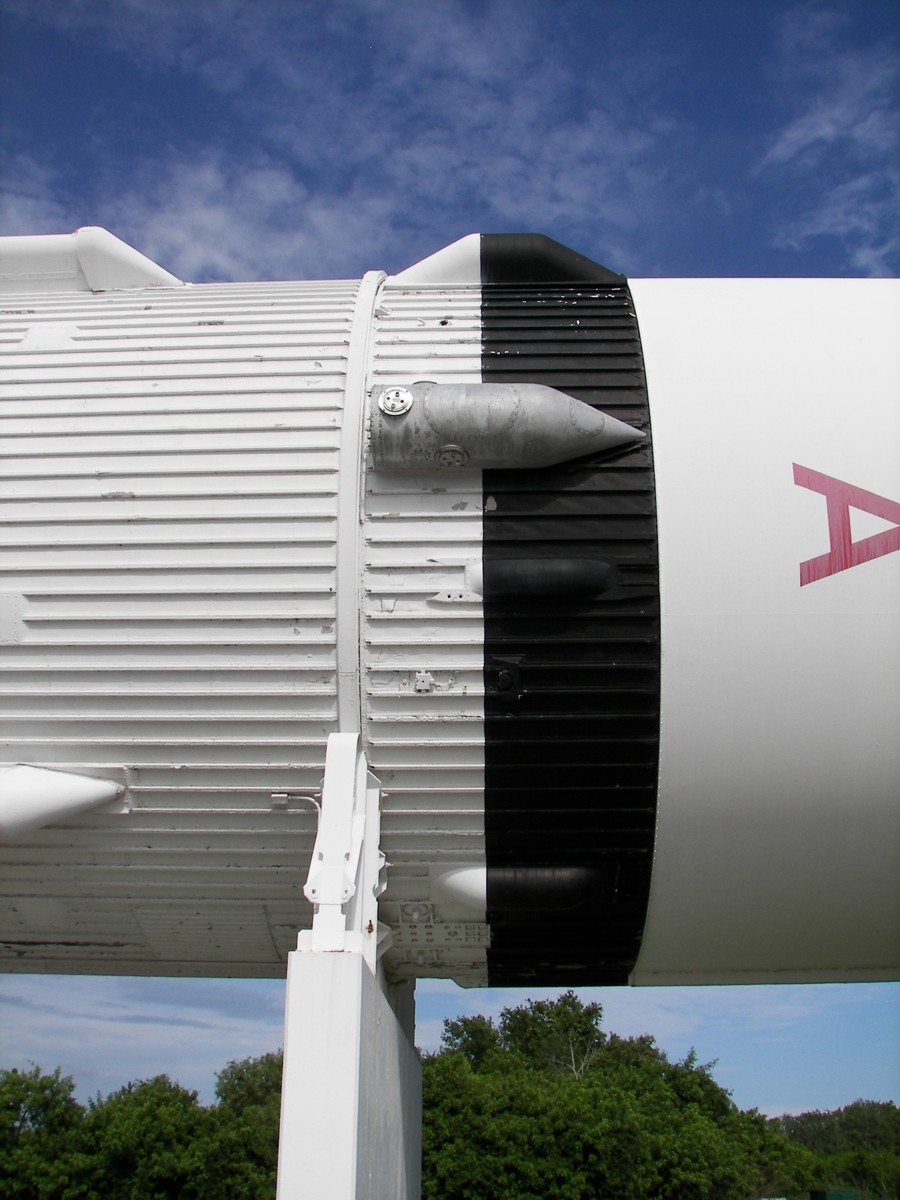
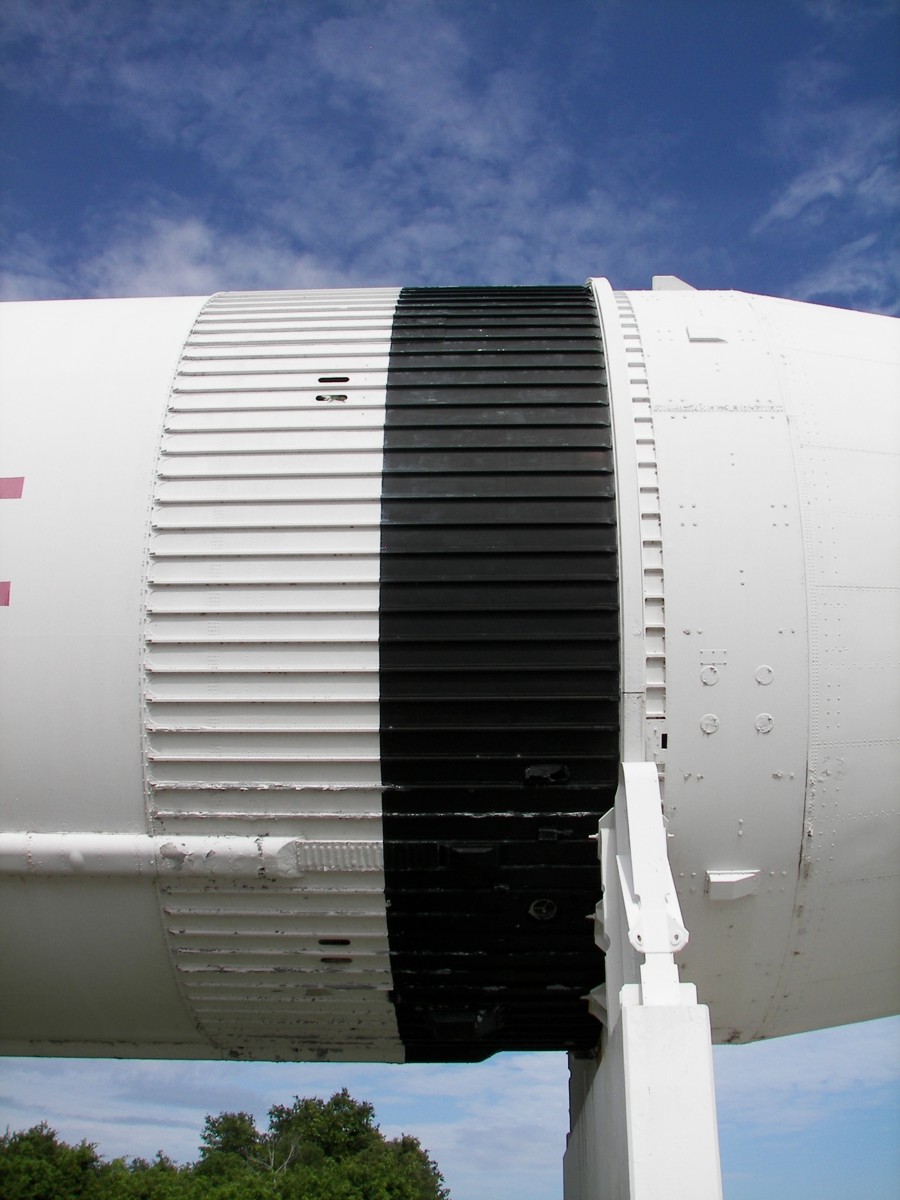
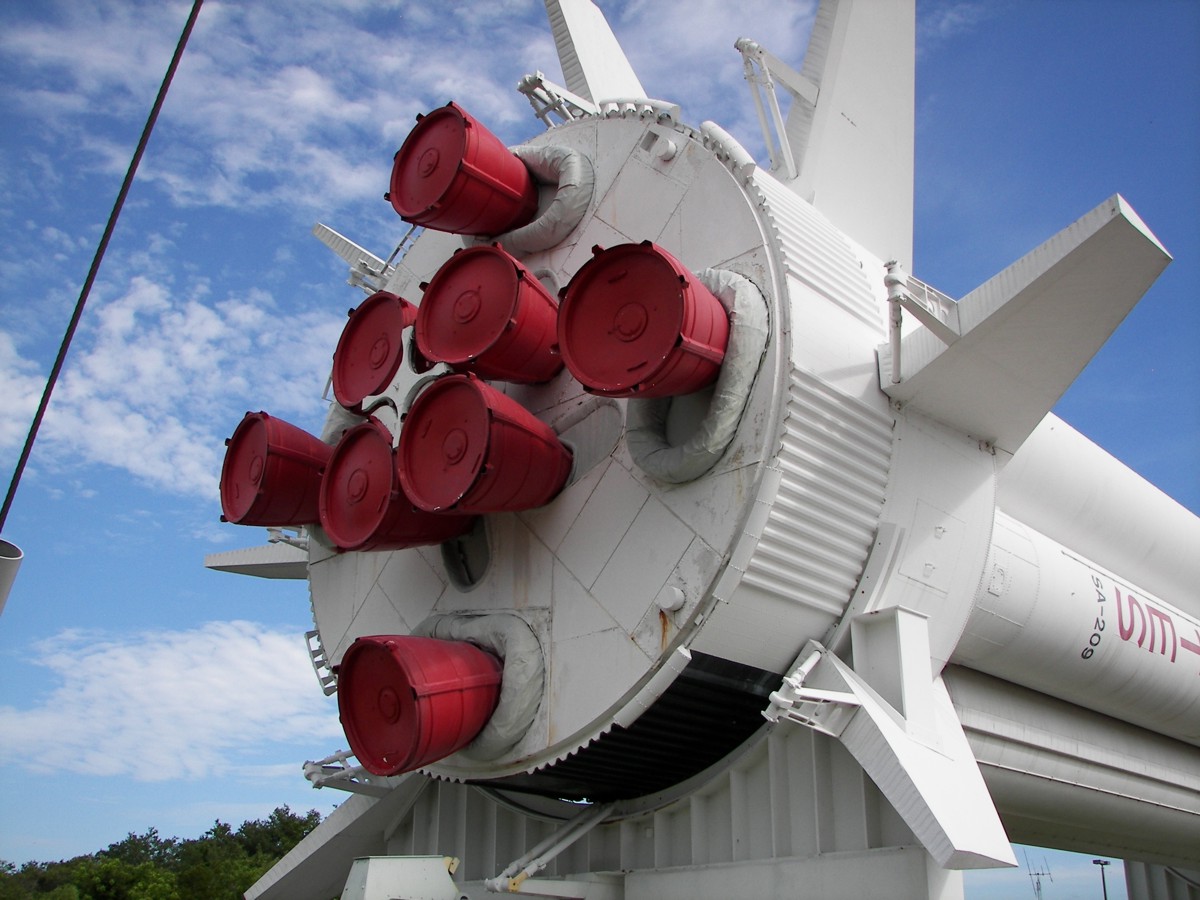
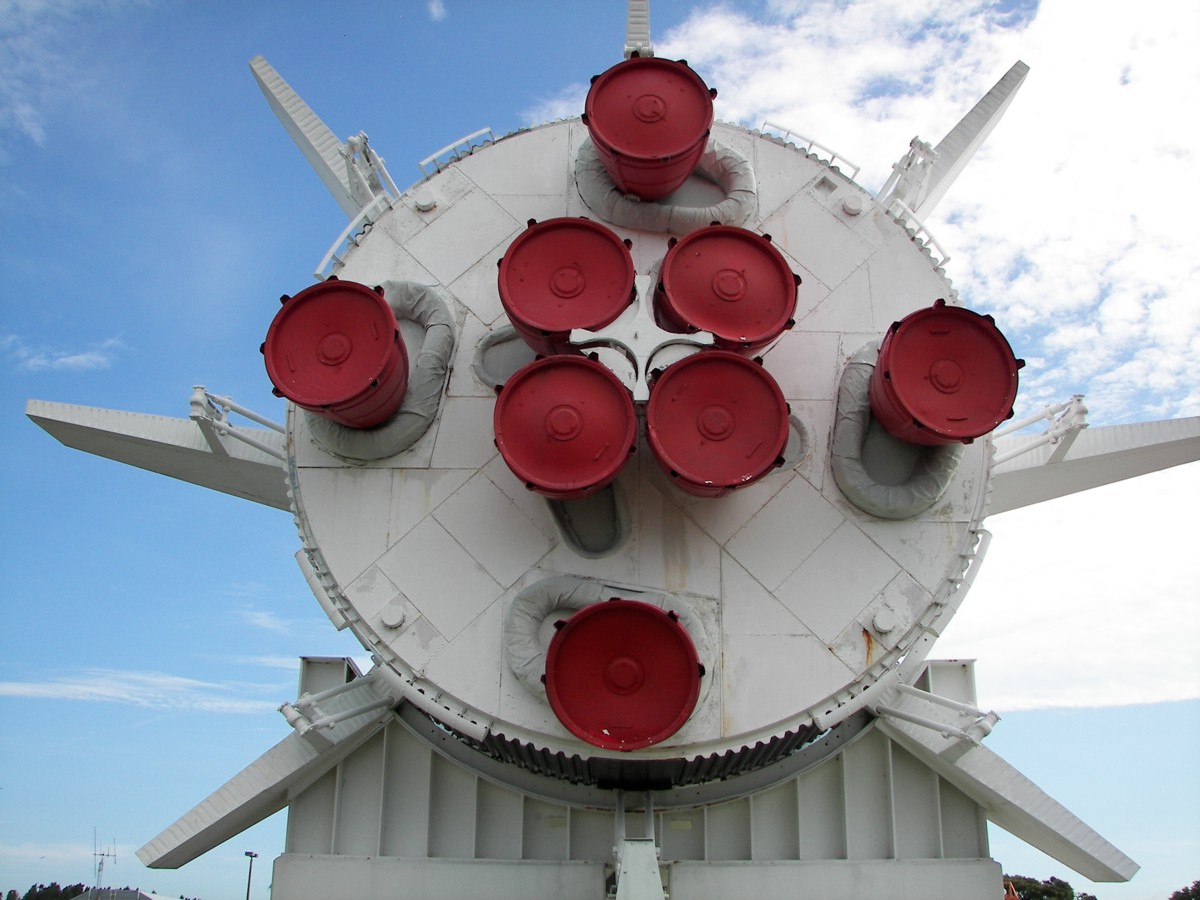
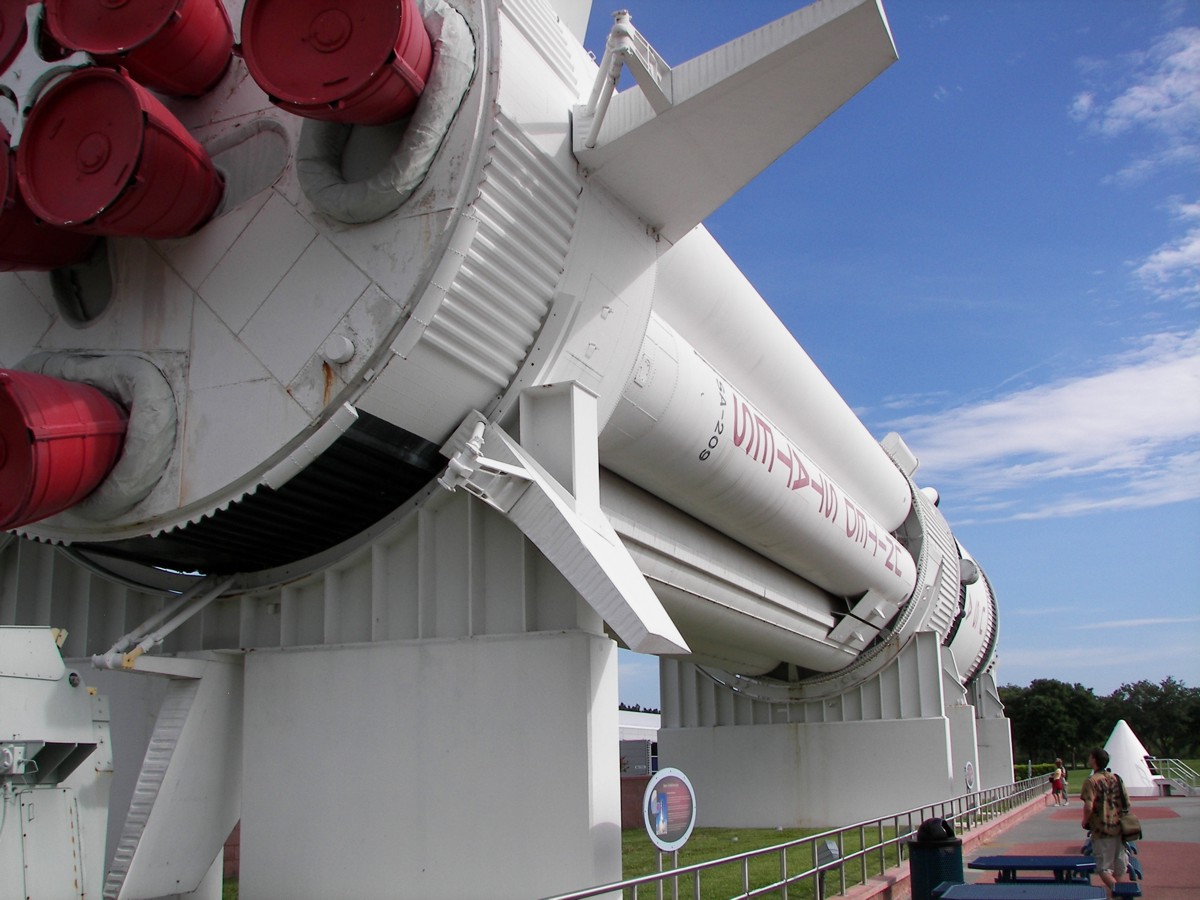
Saturn IB at Kennedy Space Center
(Photos: Richard Kruse, 2009)